
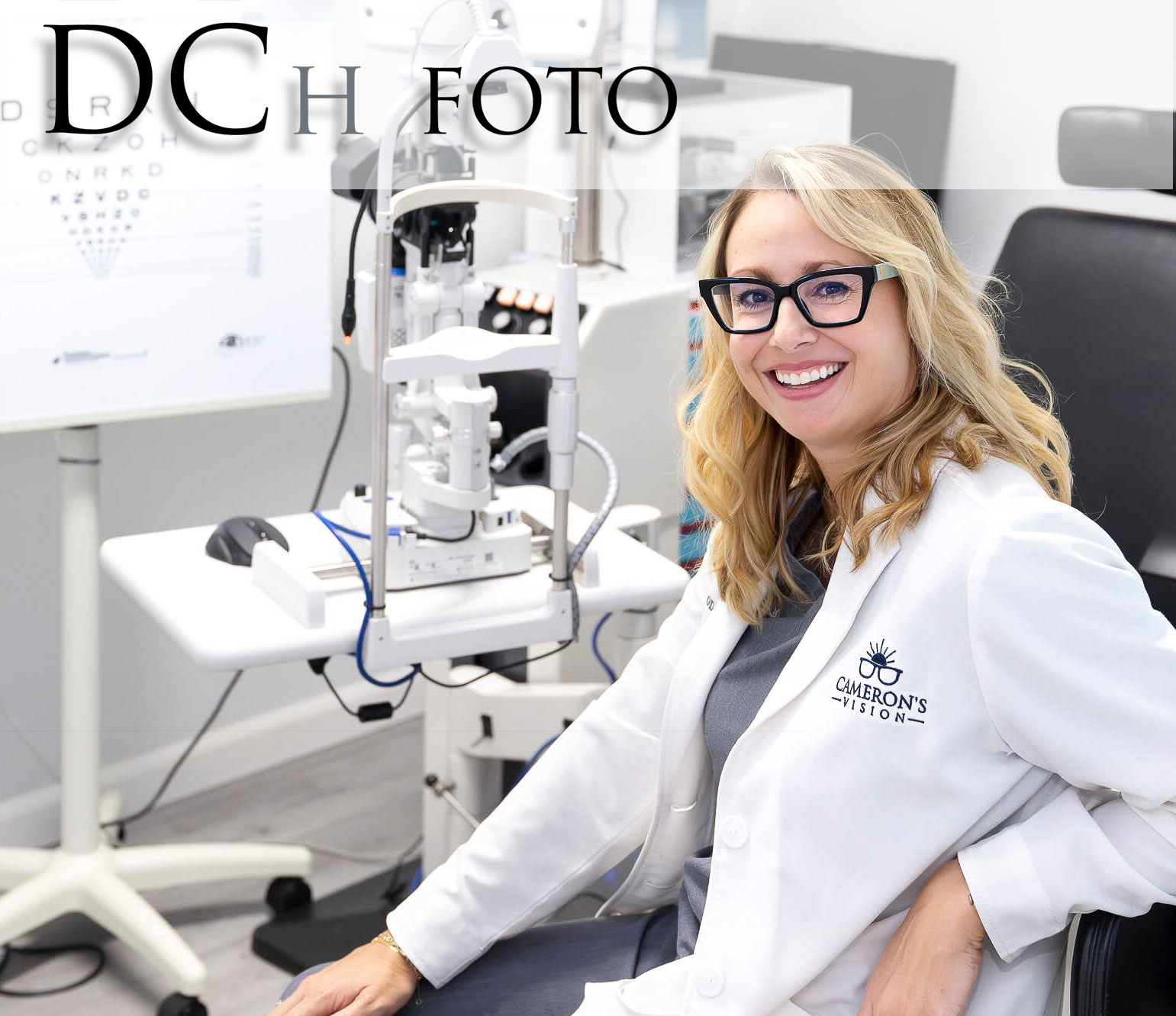
Healthcare and pharmaceutical photography has to do more than make a room look busy. The images often need to support marketing, investor relations, sales enablement, sponsor reporting, recruiting, executive communications, medical association outreach, and year-round content campaigns. DChFOTO provides healthcare and pharmaceutical event photography, medical trade show coverage, office and facility photography, production-environment documentation, and corporate portraits for organizations that need polished, business-ready visual assets.
For medical device companies, pharmaceutical corporations, hospital systems, health insurance providers, biotech startups, healthcare consulting firms, and medical associations, photography is often the bridge between technical work and human understanding. A strong gallery can show expertise, trust, innovation, audience engagement, product value, leadership presence, and real collaboration without reducing the work to generic stock imagery.
What DChFOTO photographs for healthcare and pharmaceutical organizations
DChFOTO can build a healthcare and pharmaceutical photography plan around the way your organization actually uses images. For one team, the priority may be conference coverage, sponsor visibility, and speaker images. For another, it may be medical device demonstrations, executive portraits, office culture, facility details, or a library of authentic images for the website and sales team.
Typical assignments include healthcare conferences, medical association meetings, pharmaceutical leadership events, biotech investor presentations, medtech product launches, exhibit booths, sponsor activations, hospital system retreats, healthcare consulting events, team meetings, staff portraits, executive portraits, corporate headshots, office environments, lab-adjacent storytelling, and production-style photography where access and safety allow.
The goal is not simply to document that an event or workplace existed. The goal is to create images that help healthcare and pharmaceutical organizations explain value: the audience was engaged, the product mattered, the leadership team was visible, the brand felt credible, and the final image library can keep working after the event ends.
Medical conferences, trade shows, and pharmaceutical events
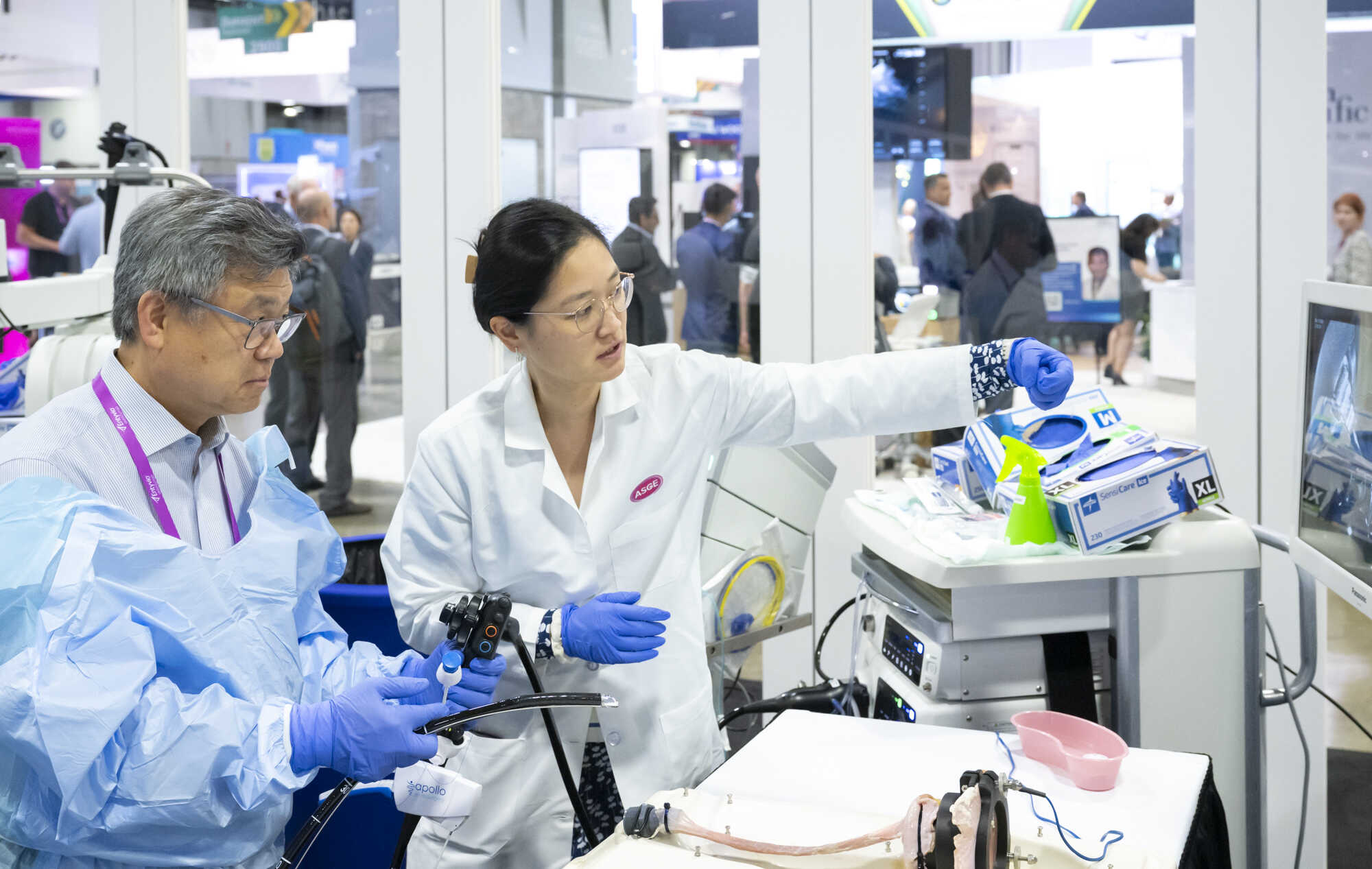
Healthcare conferences and pharmaceutical events often combine education, networking, product communication, sponsor obligations, executive presence, and fast-moving agendas. A complete gallery should include more than podium photos. It should show wide room views, keynote speakers, panels, audience reactions, sponsor booths, branded details, registration, networking, VIP moments, receptions, and the atmosphere that makes the event feel active.
For trade shows and medical expos, the strongest images usually show all the important elements at once: visible branding, product or service context, human interaction, and clear attendee engagement. Booth traffic matters, but meaningful engagement matters more. Sales teams may need images of qualified conversations and product demonstrations. Marketing teams may need social-ready content, campaign images, website visuals, and future event promotion. Executives may need visual proof of market presence and industry relevance.
That is why healthcare event photography should be planned before the event. Share sponsor priorities, product-demo times, VIP schedules, must-have booths, speaker names, approval needs, and any rush content deadlines. When the photography brief is clear, DChFOTO can cover the room with a practical understanding of what the images need to prove.
Medical device, product demonstration, and booth engagement photography
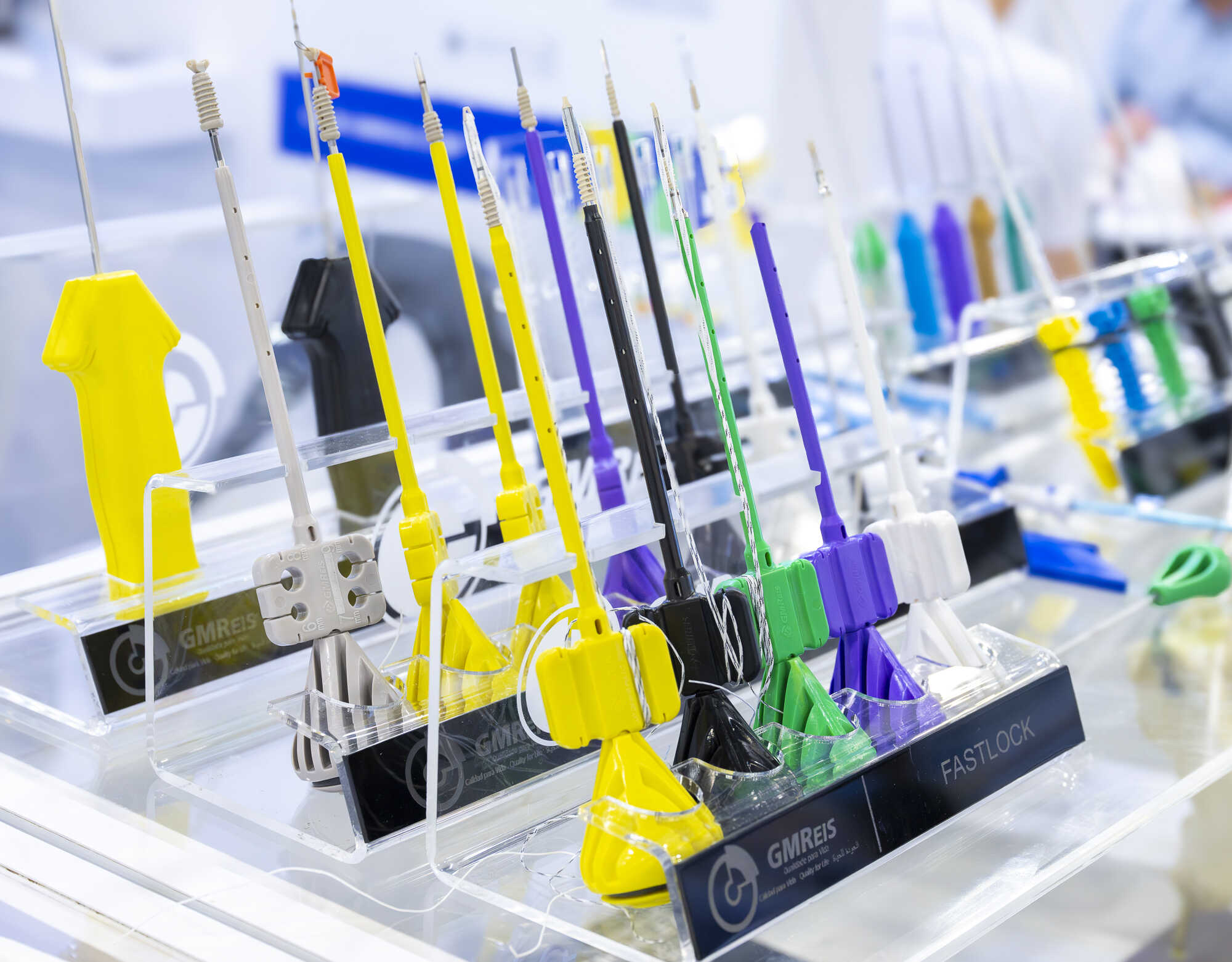
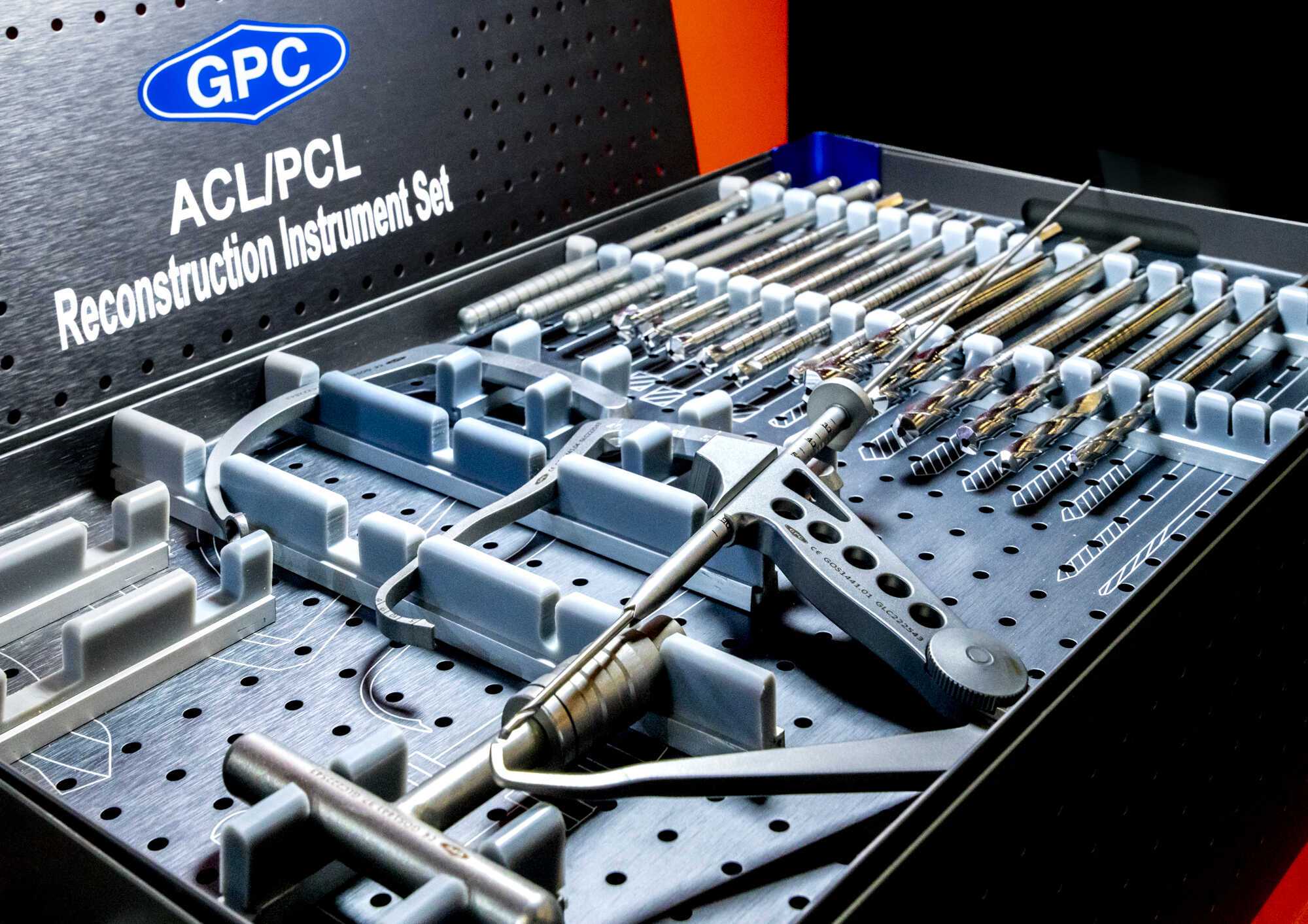
Medical device and pharmaceutical organizations often need images that explain products in context. A close-up of equipment can be useful, but the more valuable image may show a representative demonstrating the device to an attentive visitor, a clinician asking a question, a product display with readable branding, or a team member guiding a hands-on experience.
These images support more than the post-event recap. They can be used in sales presentations, conference follow-up emails, LinkedIn campaigns, landing pages, newsletters, product launch decks, recruiting content, and internal reports. A single medical expo or product launch can produce a year-round content library if coverage is planned around product storytelling, customer engagement, and brand use.
DChFOTO approaches product and booth engagement coverage as a visual business record. The most useful gallery should help event teams show traffic, sales teams show meaningful conversations, marketing teams show authentic customer interaction, and executives show leadership in a competitive healthcare market.
Pharmaceutical, biotech, laboratory, and production-environment photography
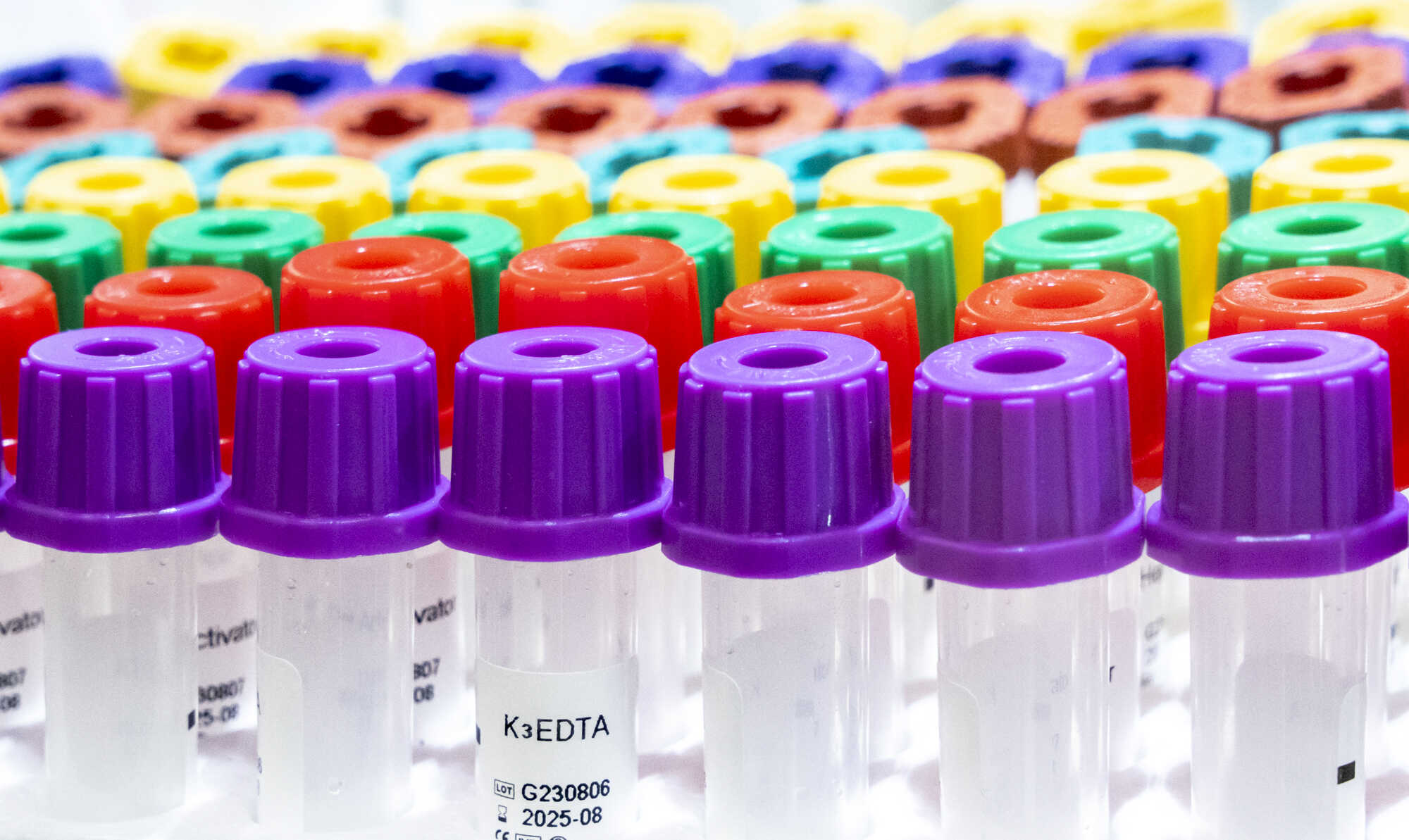
Healthcare and pharmaceutical brands often need visual material beyond event coverage. Depending on access, safety rules, and client approvals, that can include laboratories, training rooms, clinical-adjacent environments, production areas, product details, quality-focused scenes, equipment, workplace collaboration, and images that suggest scientific discipline without overstating what the image shows.
For biotech startups, founder portraits and lab-adjacent lifestyle images can support investor decks, recruiting pages, media announcements, and partner communications. For pharmaceutical corporations, imagery may support annual reports, executive communications, internal campaigns, facility storytelling, and product or therapeutic-area marketing. For medical device companies, product demonstration and application images can help prospects understand how technology is used in real-world business settings.
Careful language matters in this category. DChFOTO can coordinate around the access, privacy, safety, and approval requirements defined by the client. We do not make unsupported compliance claims. Instead, the photography plan should identify what can be photographed, who must approve the schedule, what areas are restricted, what subjects are off limits, and how the images will be reviewed before public use.

Healthcare offices, facilities, and workplace brand photography
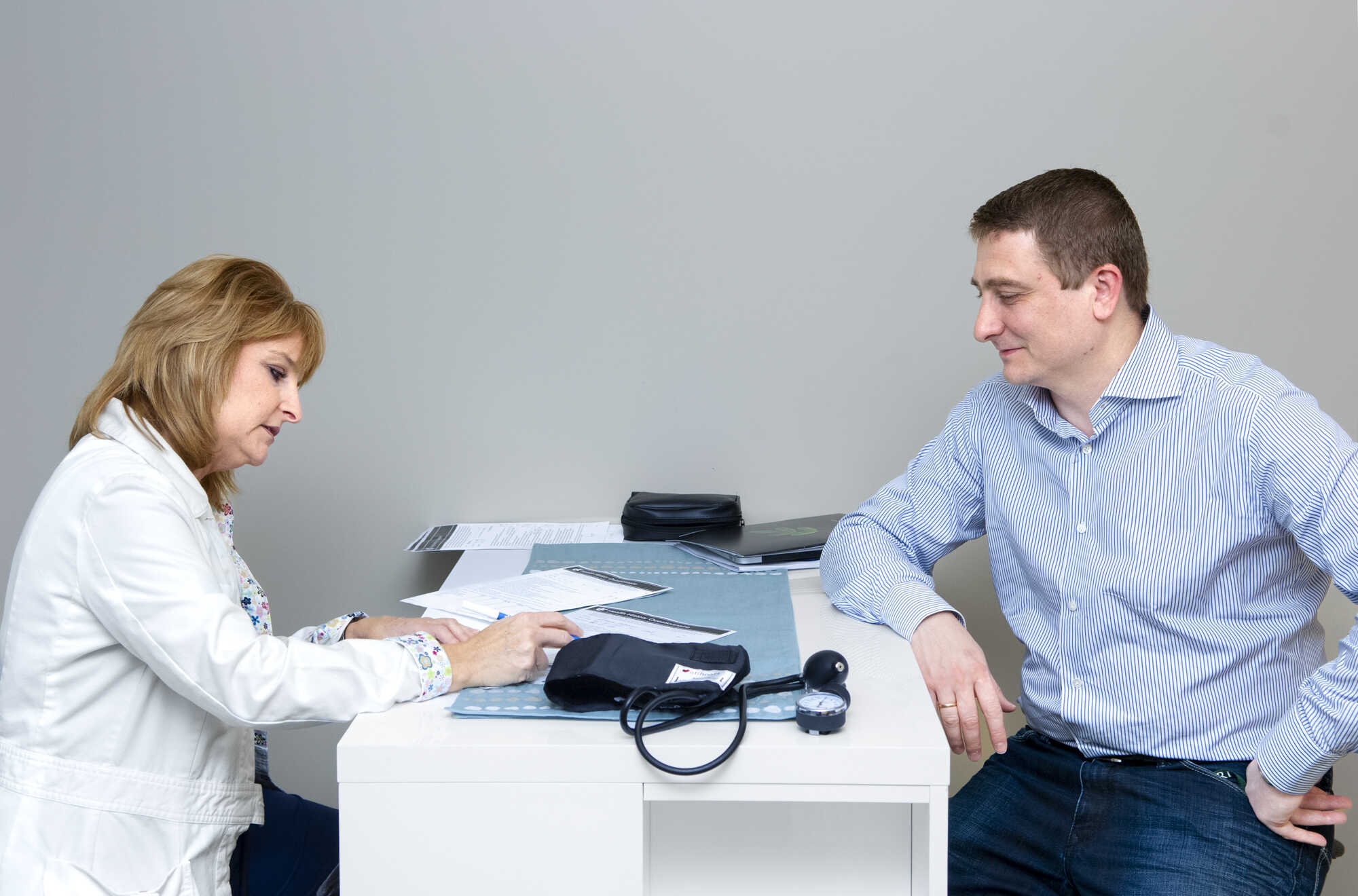
Office and facility photography helps healthcare organizations look real, established, and approachable. These images can show reception areas, consultation rooms, conference rooms, collaboration spaces, training environments, branded details, equipment, team interactions, and leadership at work. They are especially valuable when a website, recruiting page, proposal, or investor deck needs authentic visuals instead of stock photography.
Hospital systems, health insurance providers, healthcare consulting firms, and biotech teams often need images that communicate competence without feeling cold. A polished facility gallery can support service pages, annual reports, hiring campaigns, stakeholder presentations, social media, and internal communications. The images should feel professional, but still human.
The planning process should define whether the shoot is documentary, lightly directed, or more structured. Some office images work best as real interactions photographed photojournalistically. Others need careful staging, clean backgrounds, clear branding, wardrobe coordination, and enough time to make the setting look intentional.
Executive portraits, staff headshots, and healthcare team images
Healthcare and pharmaceutical organizations rely heavily on trust. Executive portraits, physician portraits, staff headshots, founder portraits, board images, and team photographs can shape how prospects, investors, employees, partners, and patients perceive the organization. A portrait session should support credibility, warmth, authority, and consistency across public-facing channels.
DChFOTO can combine event coverage with portrait production when the schedule allows. A conference may include a leadership portrait window, speaker portraits, sponsor portraits, team photos, or a headshot station for attendees. A facility shoot may include environmental portraits of executives, researchers, physicians, managers, consultants, or product leaders in settings that support the brand story.
Portrait planning should include intended use, crop needs, background style, wardrobe guidance, retouching expectations, file formats, naming conventions, and approval workflow. A LinkedIn headshot, annual report portrait, investor-relations image, speaker bio, and campaign hero image may need different framing and tone.
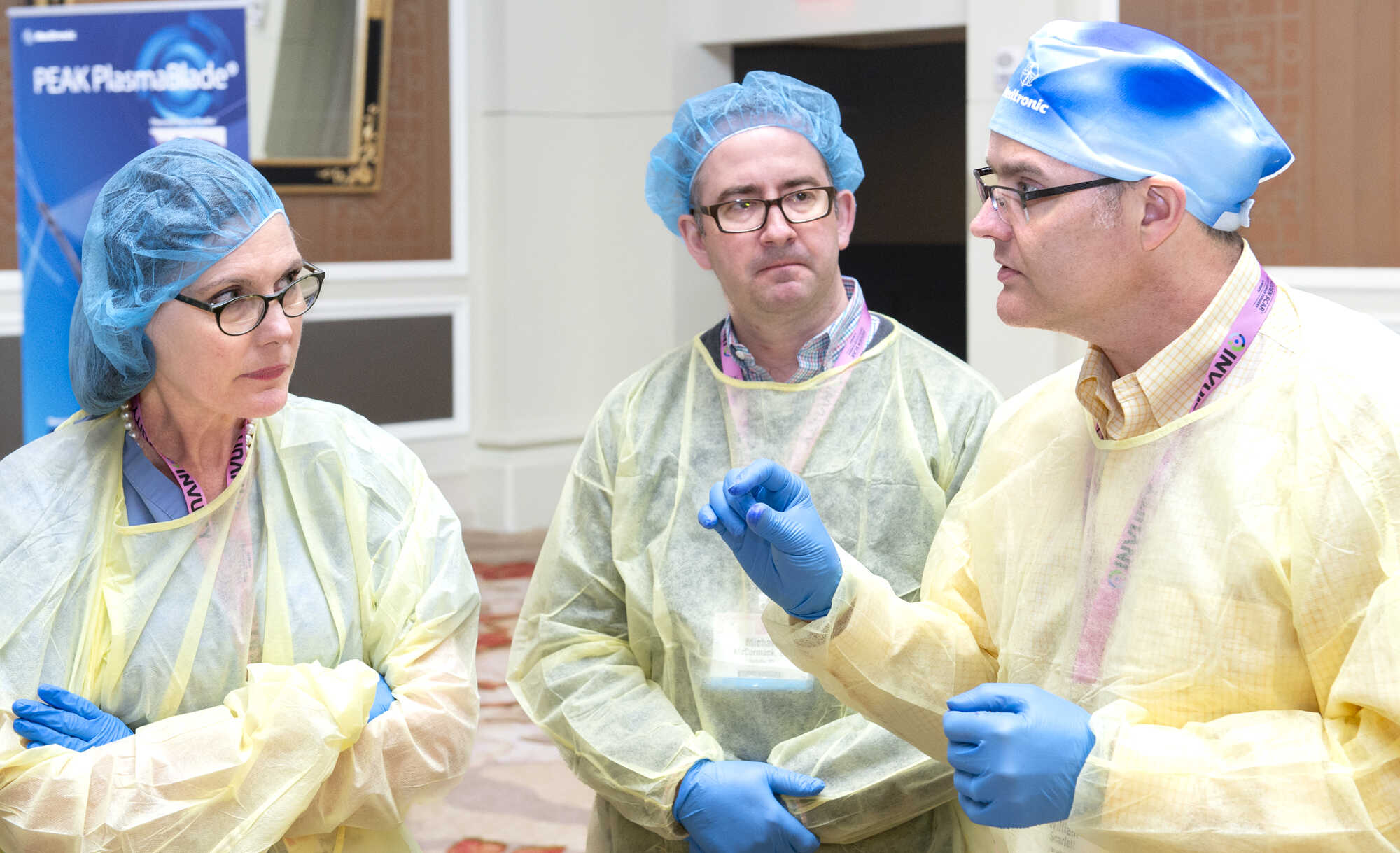
Image libraries for marketing, sales, investor relations, and recruiting
The best healthcare and pharmaceutical photography assignment creates more than a set of attractive event images. It creates a structured image library that different departments can use throughout the year. Marketing may need website banners and social posts. Sales may need product-demonstration images for follow-up. Investor relations may need leadership and event proof. Recruiting may need workplace culture and team images. Communications may need fast highlights and polished recap visuals.
DChFOTO's blog article on why professional event photography is an investment, not an expense makes the same point in broader terms: a professional event may last a few hours or a few days, but strong images can keep serving the organization for months or years. That is especially true in healthcare and pharmaceutical markets, where events, demonstrations, leadership visibility, and real human interaction are often expensive to create and difficult to repeat.
When planning a healthcare or pharmaceutical shoot, define the departments that will use the images. A gallery designed only for documentation may miss the details that sales, HR, executives, sponsors, or communications teams need later. A gallery planned as a content library becomes more valuable from the first day of delivery.
Planning, access, privacy, safety, and schedule coordination
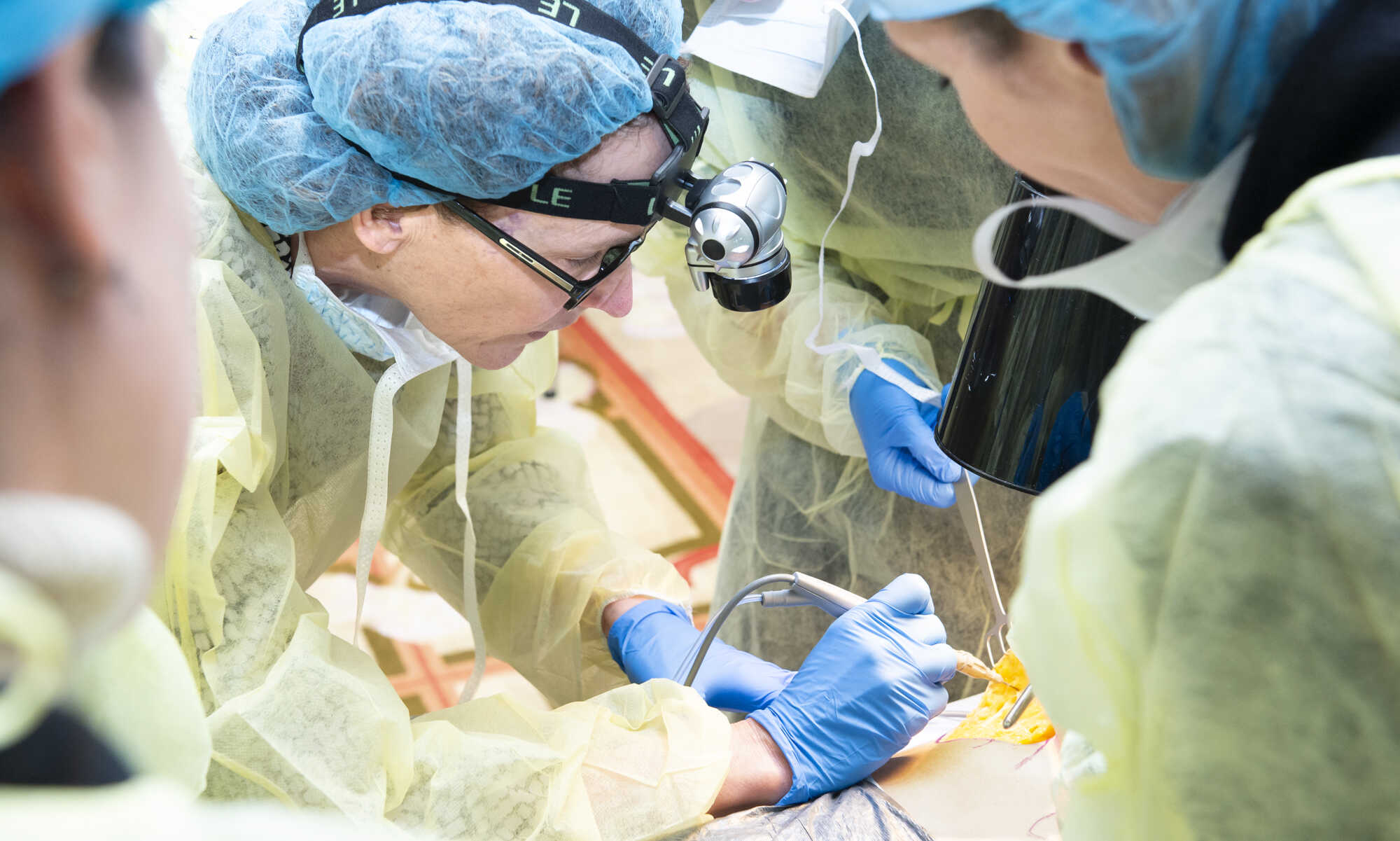
Healthcare and pharmaceutical assignments can involve sensitive environments, controlled access, complex schedules, VIPs, patient-adjacent spaces, laboratories, product information, clinical settings, or internal business activity. The photography plan should be practical and specific before the shoot begins.
Share the location rules, rooms, event agenda, access limits, approved subjects, PPE requirements, security process, point of contact, priority people, product restrictions, signage needs, and review workflow. If the assignment includes an office, facility, laboratory, production area, or clinical-adjacent space, define what can and cannot appear in the frame. If the event includes sponsors, executives, speakers, or regulated product messaging, identify the must-have images and approval path in advance.
DChFOTO works carefully and quietly around professional environments. That means planning movement, minimizing disruption, respecting the client-defined boundaries, and capturing useful images without turning the workplace or event into a production burden. The clearer the brief, the stronger and safer the final gallery becomes.
Post-production, rush highlights, and business-ready delivery
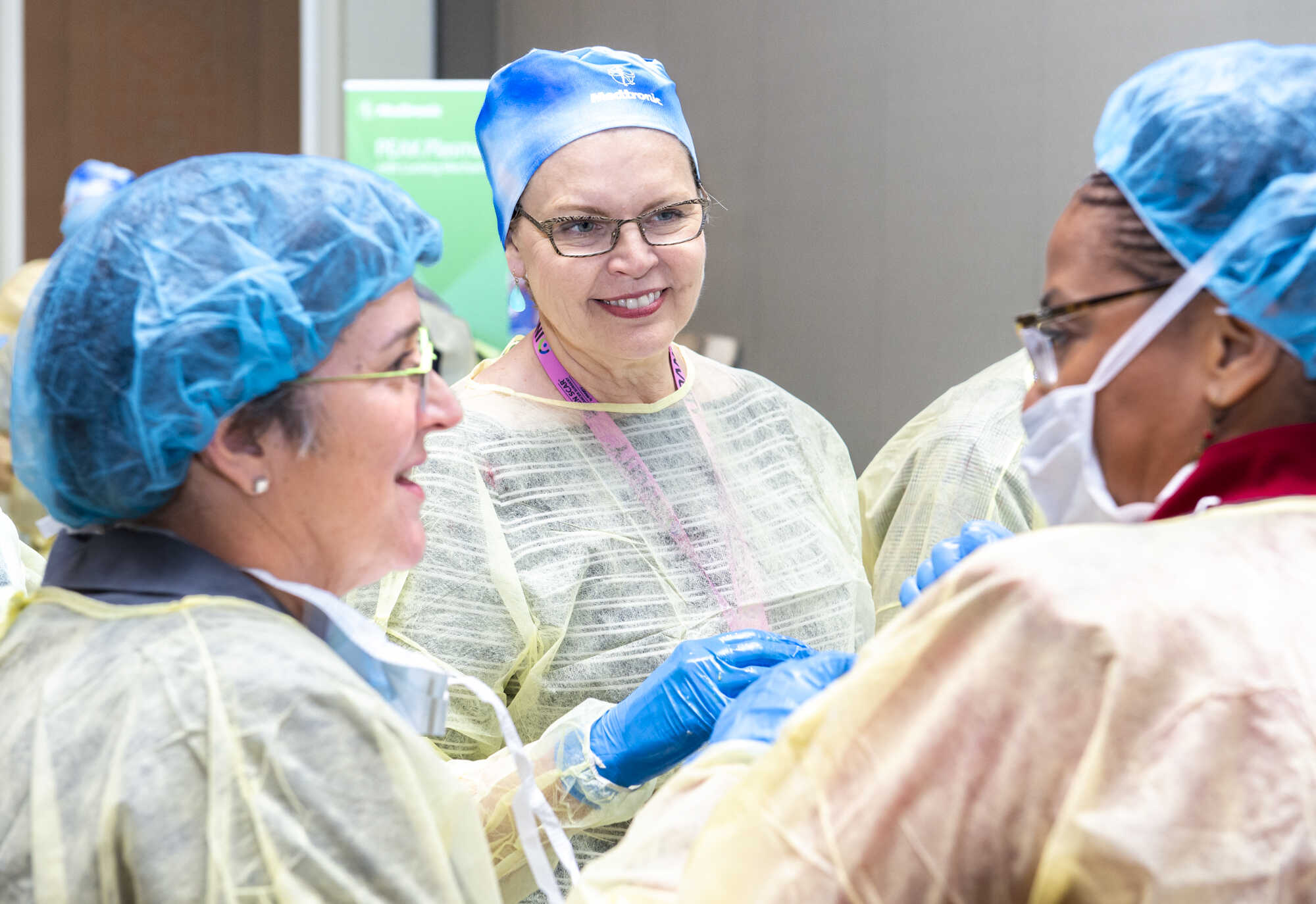
Post-production matters because healthcare and pharmaceutical images are rarely used only once. A final gallery may move into websites, social media, PR, sales decks, sponsor reports, newsletters, conference recaps, investor updates, internal presentations, recruiting pages, and annual reports. That requires consistency, not just capture.
DChFOTO's conference post-processing guide explains why a polished gallery is created after the shutter closes: culling, exposure balancing, color correction, crop decisions, retouching, export preparation, file organization, and delivery all affect whether the images are ready for business use. For healthcare and pharmaceutical teams, this is especially important because mixed lighting, clinical interiors, exhibit halls, screens, white coats, product displays, and office environments can all create visual inconsistency if the edit is rushed or generic.
Rush highlights can be valuable for event-day or next-day communications. They are not the same as a fully finished gallery. If you need same-day or next-day images for LinkedIn, PR, sponsor recaps, or internal updates, identify that need before the assignment so the photography and editing workflow can support it honestly.
Why choose DChFOTO and request healthcare and pharmaceutical photography coverage
DChFOTO is a Washington, DC-based corporate event photography company serving conferences, trade shows, associations, non-profits, corporate teams, and executive portrait clients across the United States. The company focuses on photojournalistic event coverage, professional post-production, high-resolution delivery, next-day highlight options when requested, and practical planning for business use.
For healthcare and pharmaceutical organizations, that combination matters. The assignment may need event photojournalism, product storytelling, sponsor proof, medical trade show coverage, office images, facility details, executive portraits, team headshots, and a post-production process that makes the final library consistent. The work needs to feel credible to technical audiences and accessible to marketing audiences at the same time.
Review the DChFOTO event photography portfolio for conference, trade show, sponsor, networking, and corporate event examples. Review the DChFOTO portrait photography portfolio for executive, personal branding, and headshot examples. You can also learn more about the company on the About DChFOTO page.
To request a quote, send the date, city, venue or facility, schedule, subject list, access requirements, image-use needs, delivery deadline, and any approval rules. If the assignment includes a trade show booth or product demonstration, include booth number, demo schedule, priority products, sponsor needs, and whether the final images should be grouped for marketing, sales, executives, or sponsors.
If the assignment includes portraits, share the number of people, desired background style, whether the portraits should be traditional or environmental, retouching expectations, and final usage. If the assignment includes facilities, offices, production environments, labs, or clinical-adjacent spaces, share access limitations and review requirements before the shoot.
For planning context, read Why Professional Event Photography Is an Investment, Not an Expense, Post-processing as a key factor in choosing a photographer, and 10 Must-Have Photos from Every Conference or Convention. When you are ready, contact DChFOTO with the assignment details.
What healthcare and pharmaceutical assignments can DChFOTO cover?
DChFOTO can photograph healthcare conferences, pharmaceutical meetings, medical device demonstrations, trade show booths, sponsor activations, leadership events, offices, facilities, executive portraits, and staff headshots.
Can DChFOTO photograph sensitive healthcare environments?
DChFOTO can coordinate carefully around access, privacy, safety, and schedule requirements defined by the client. Sensitive assignments should be discussed in advance so the photography plan respects the environment and approval process.
Do healthcare and pharmaceutical events need same-day highlights?
Many healthcare and pharmaceutical teams benefit from selected next-day or rush highlights for social media, PR, sponsor reporting, speaker promotion, and executive updates. Full-gallery post-production is scoped separately from rush highlights.
Can one assignment include event coverage and portraits?
Yes. A healthcare or pharmaceutical assignment can combine event photojournalism, booth coverage, office or facility images, executive portraits, team portraits, and corporate headshots when those needs are planned before the shoot.