
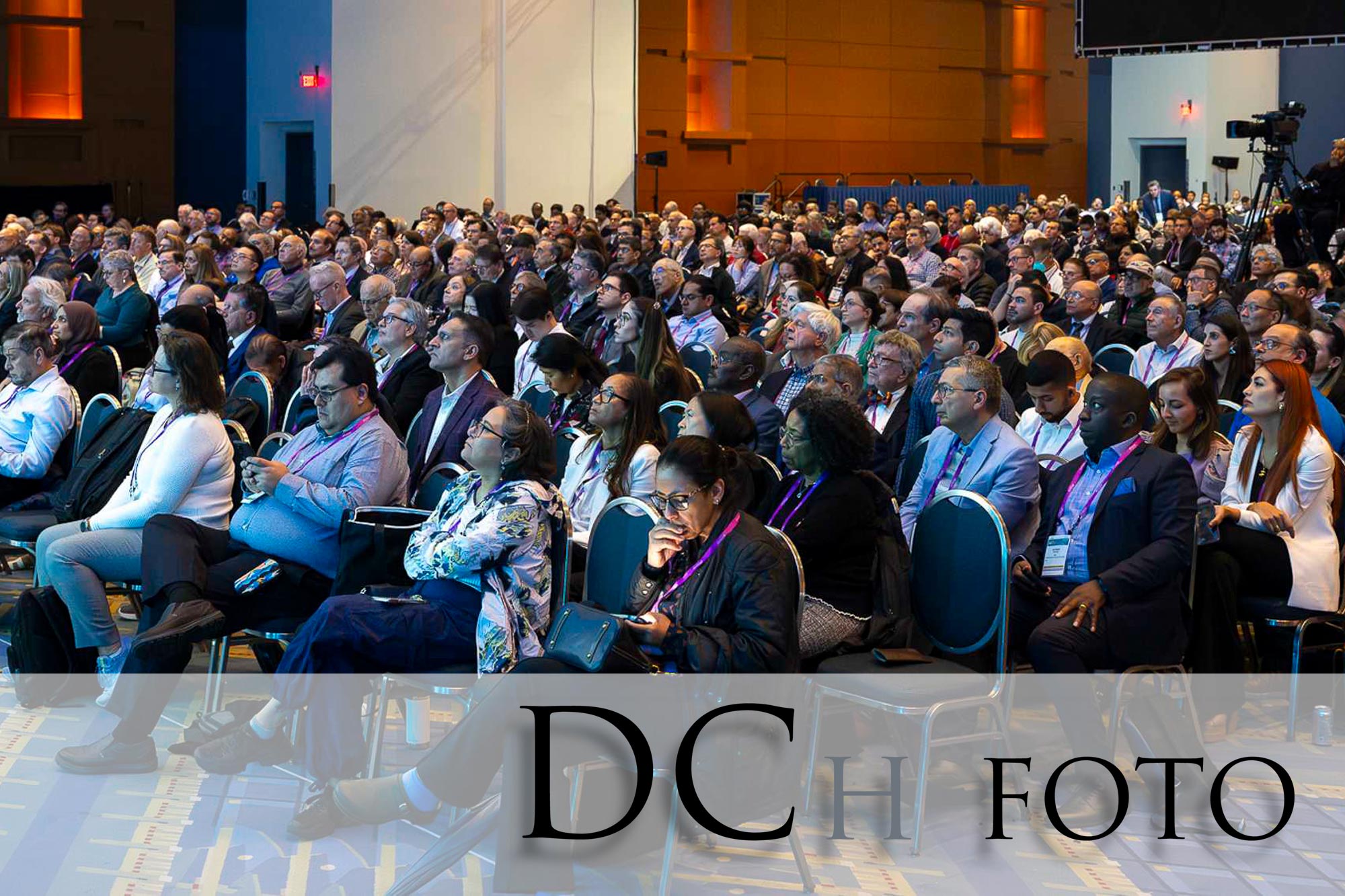
Choosing a photographer for conference photography in Washington DC is not only a question of portfolio taste, camera equipment, or hourly coverage. For event managers, corporate event planners, marketing directors, communications managers, PR managers, executive assistants, office managers, procurement managers, and agency producers, one of the most important hiring questions is what happens after the conference ends.
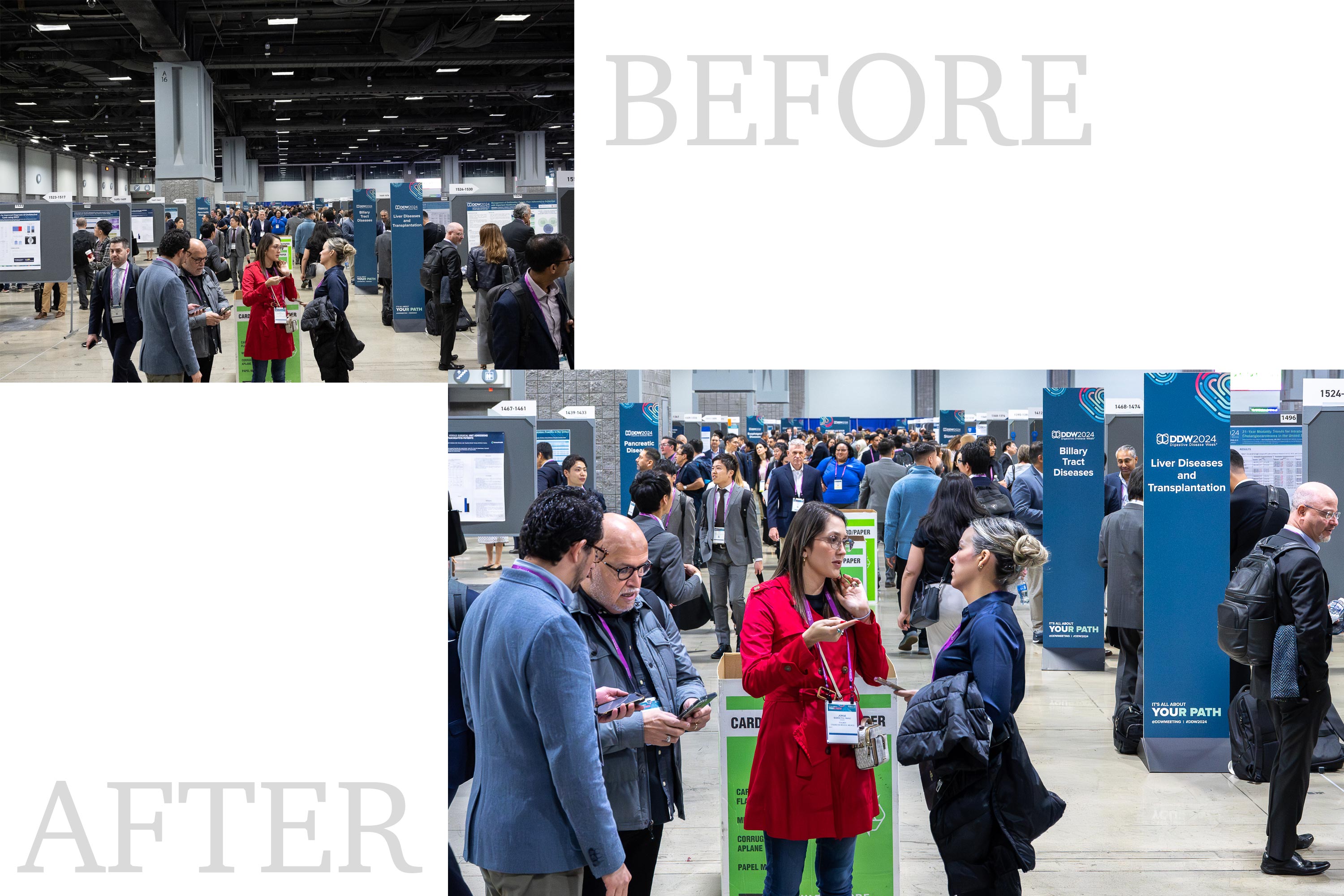
A polished conference gallery is not created when the shutter closes. It is created through post-processing: culling, color correction, exposure balancing, crop decisions, retouching, export preparation, file organization, and delivery. That is why post-processing should be treated as a key factor when choosing a conference photographer in Washington DC.
The important distinction is simple. A small set of rush highlights can be useful for press, social media, or an executive recap. A complete, carefully post-produced gallery is different. Quality post-processing always needs time. If a photographer promises post-processing and says the images will be ready immediately after the shoot, the real process is probably minimal, fully automated, or not happening in any meaningful human way.
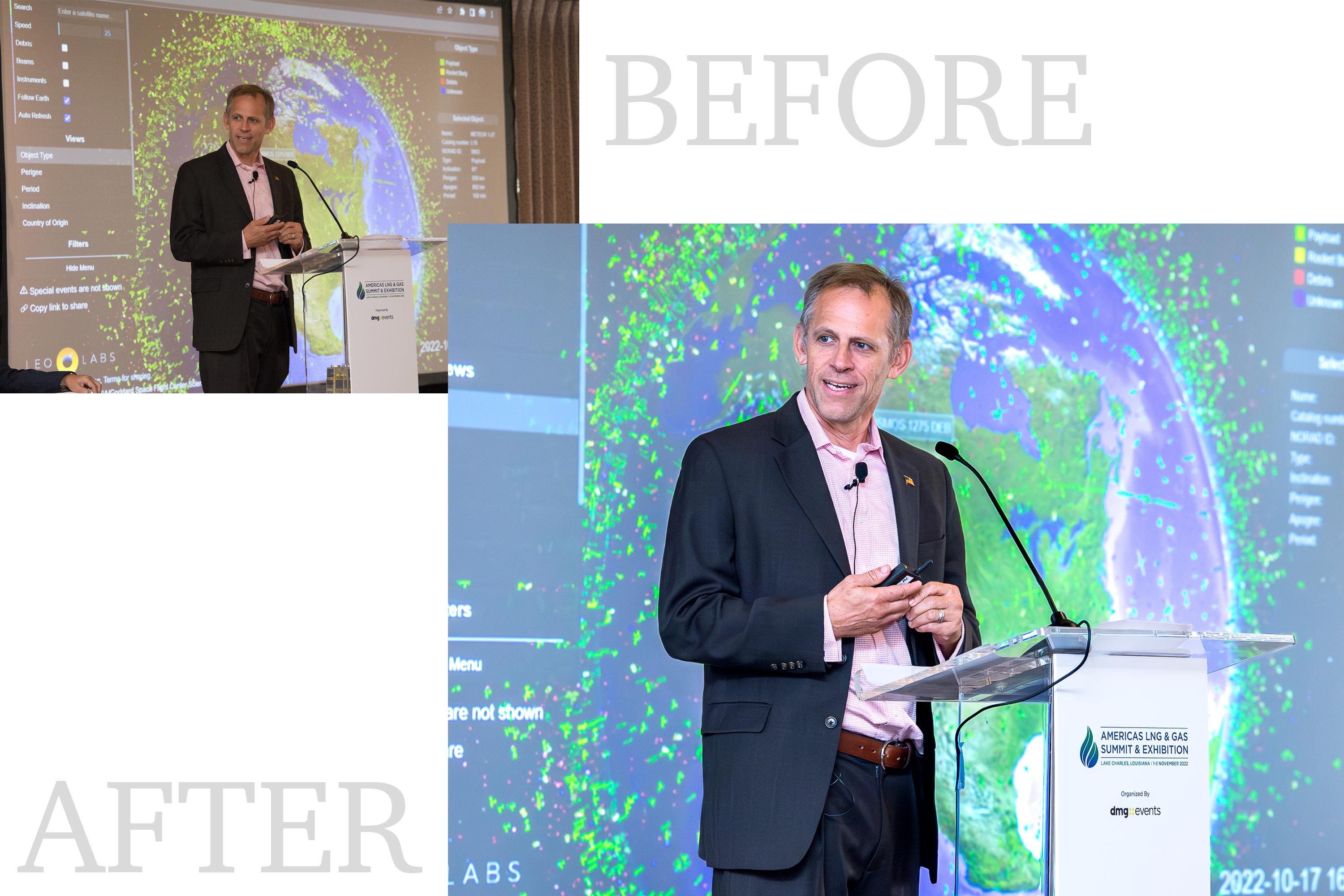
Post-processing Turns Coverage Into A Business Asset
Conference photos are rarely used only once. After a Washington, D.C. conference, the same images may support recap articles, LinkedIn posts, press releases, sponsor reports, member communications, newsletters, future conference promotion, internal presentations, website updates, and annual reports. That makes the final gallery a business asset, not just a memory of the event.
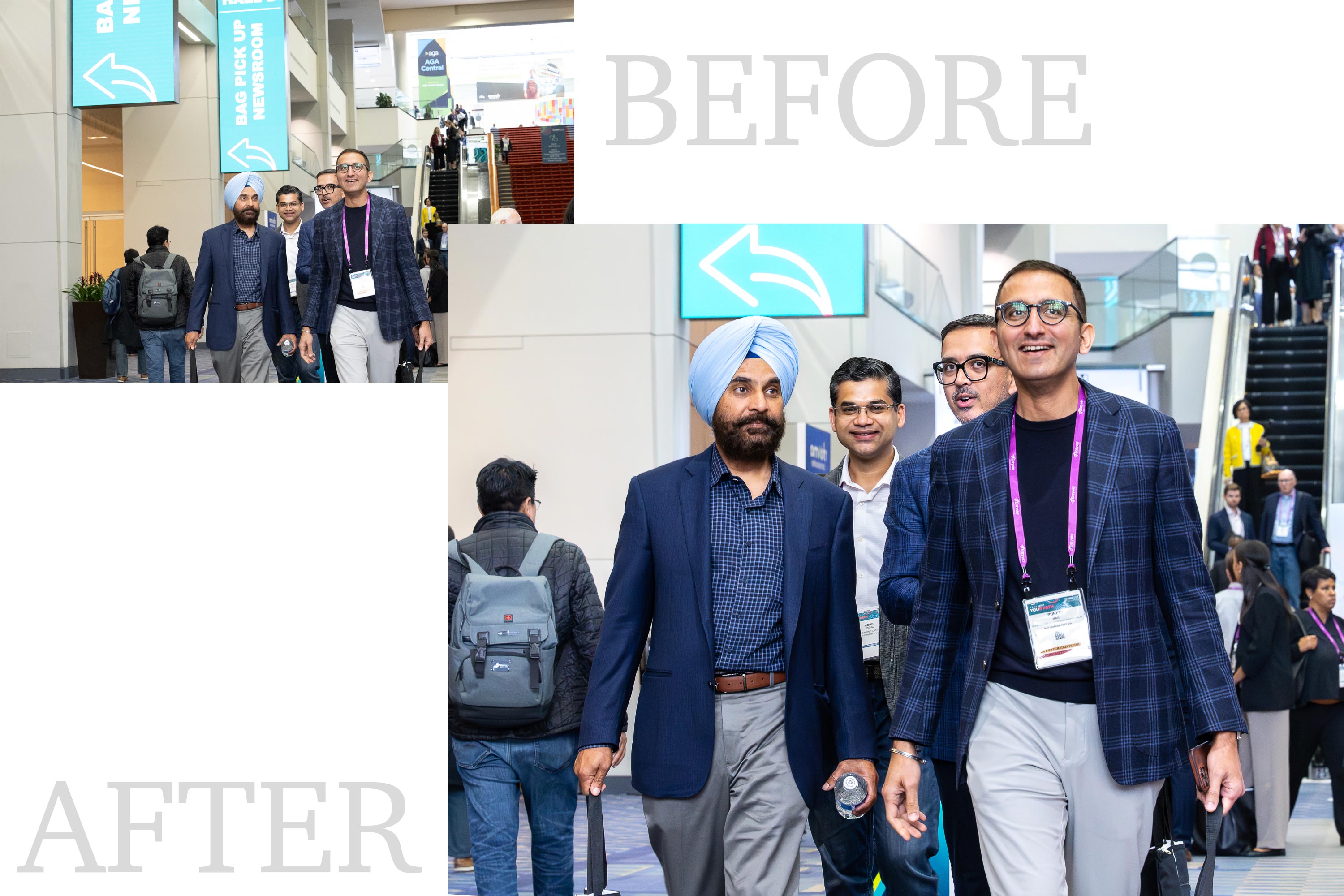
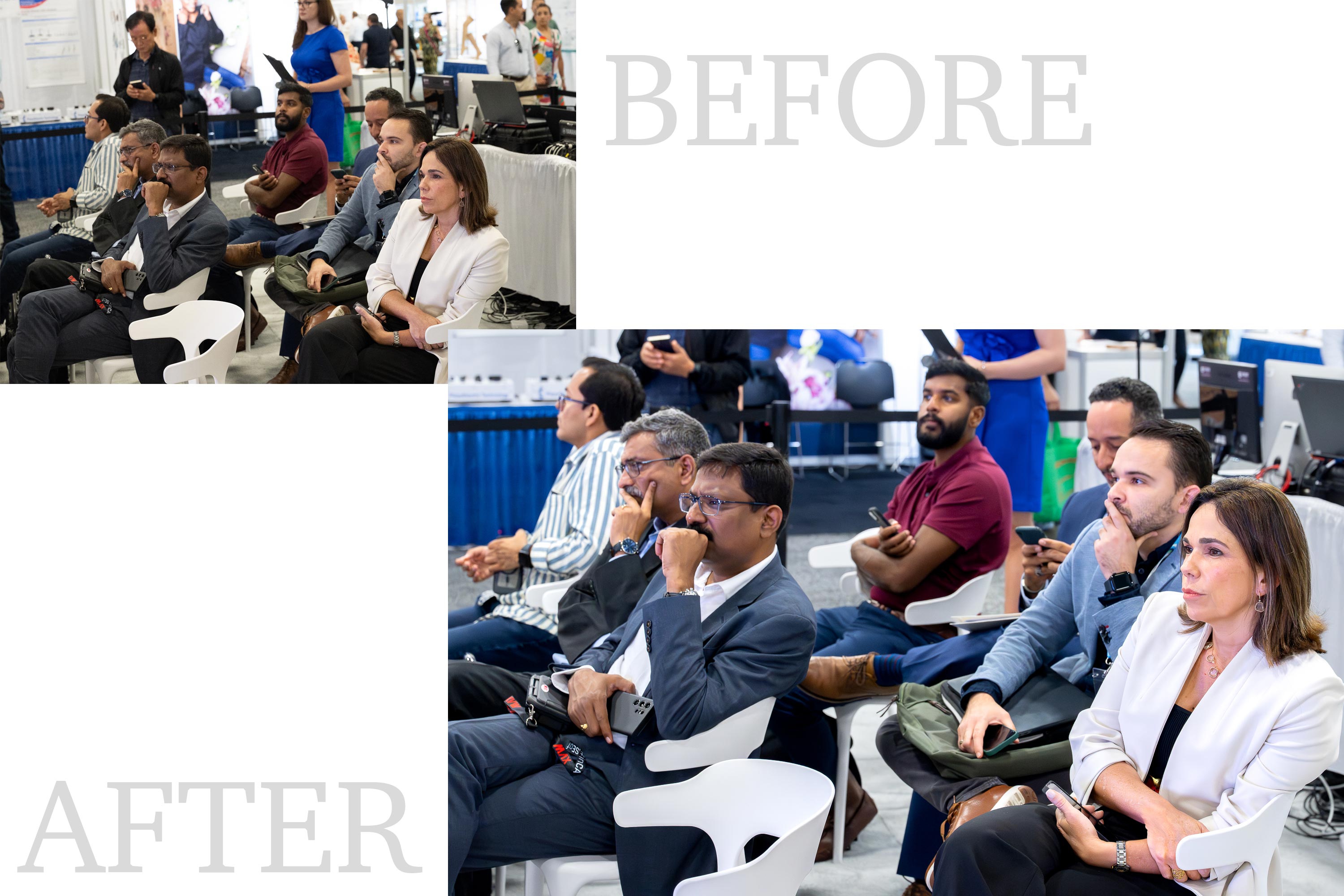
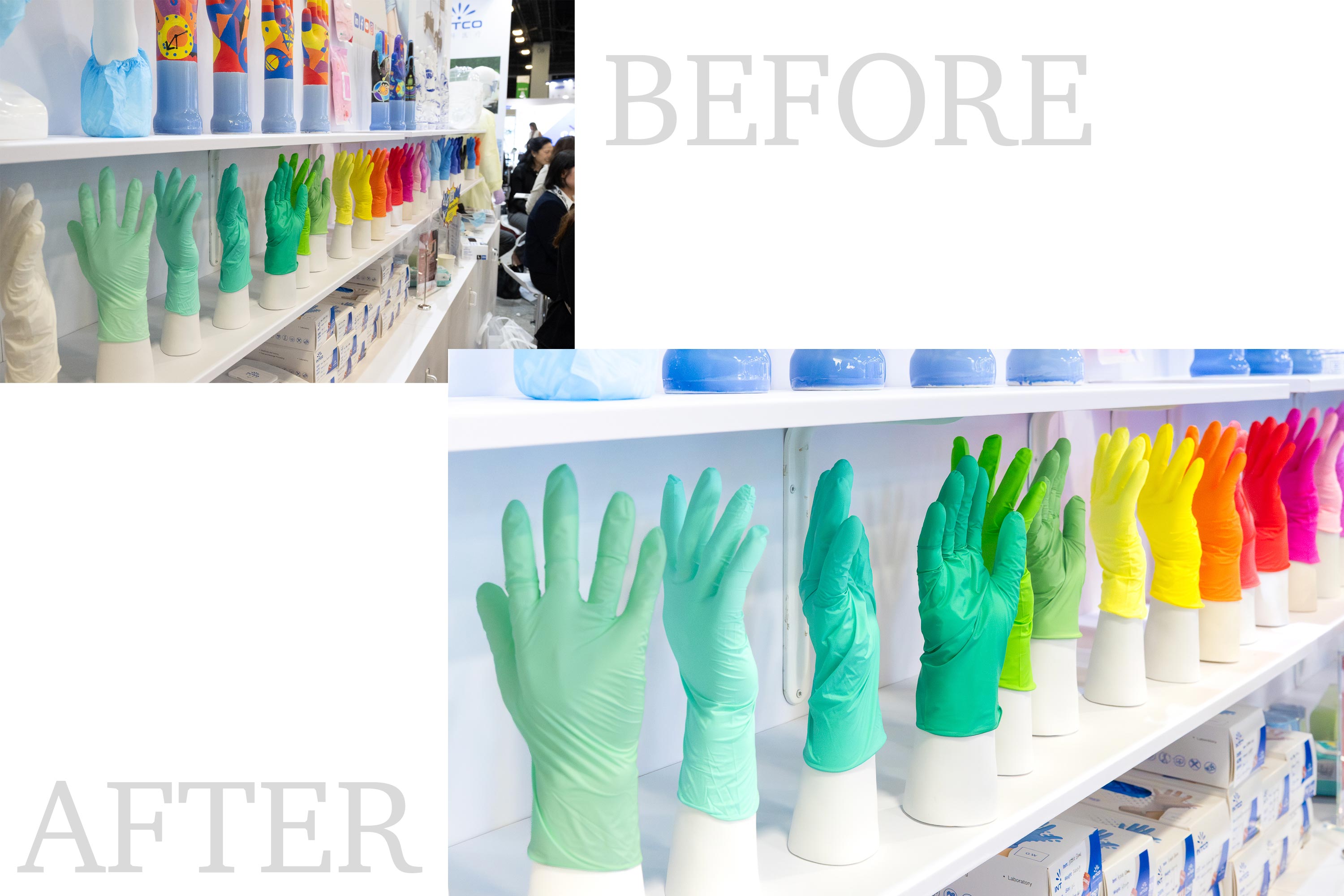
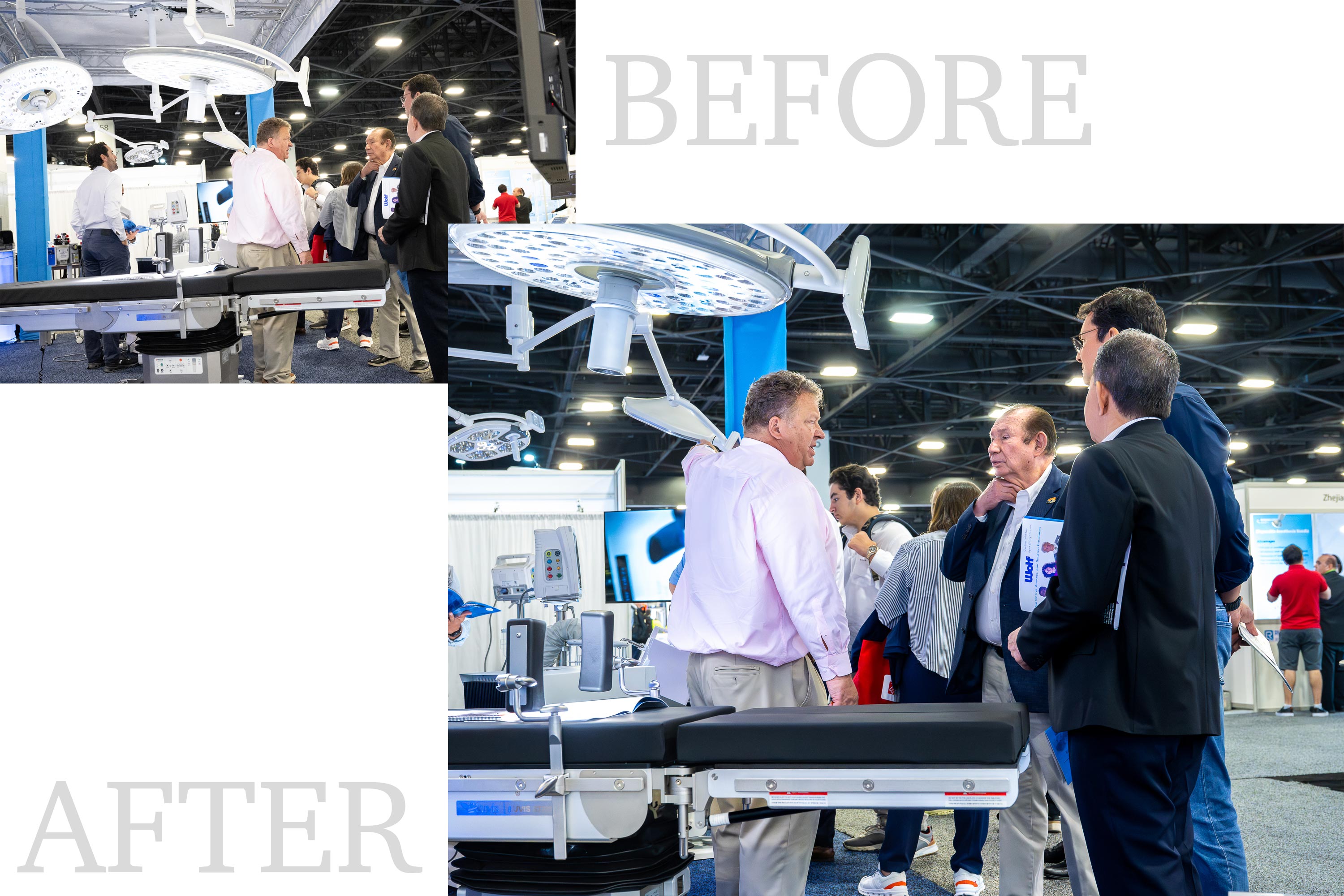
This is where the post-processing workflow matters. A raw image may contain the right moment, but still need exposure balance, color correction, cropping, sharpening, noise control, or a light retouch before it is ready for public use. A good corporate event photographer in Washington DC should understand that the final files have to work for marketing, communications, PR, sponsors, executives, and internal teams.
The previous DChFOTO guide on choosing a corporate event photographer framed the decision as a workflow decision, not only a portfolio decision. That is even more true for conferences. A strong Event photographer needs to cover the room, protect the schedule, and deliver files that your team can actually use after the event.
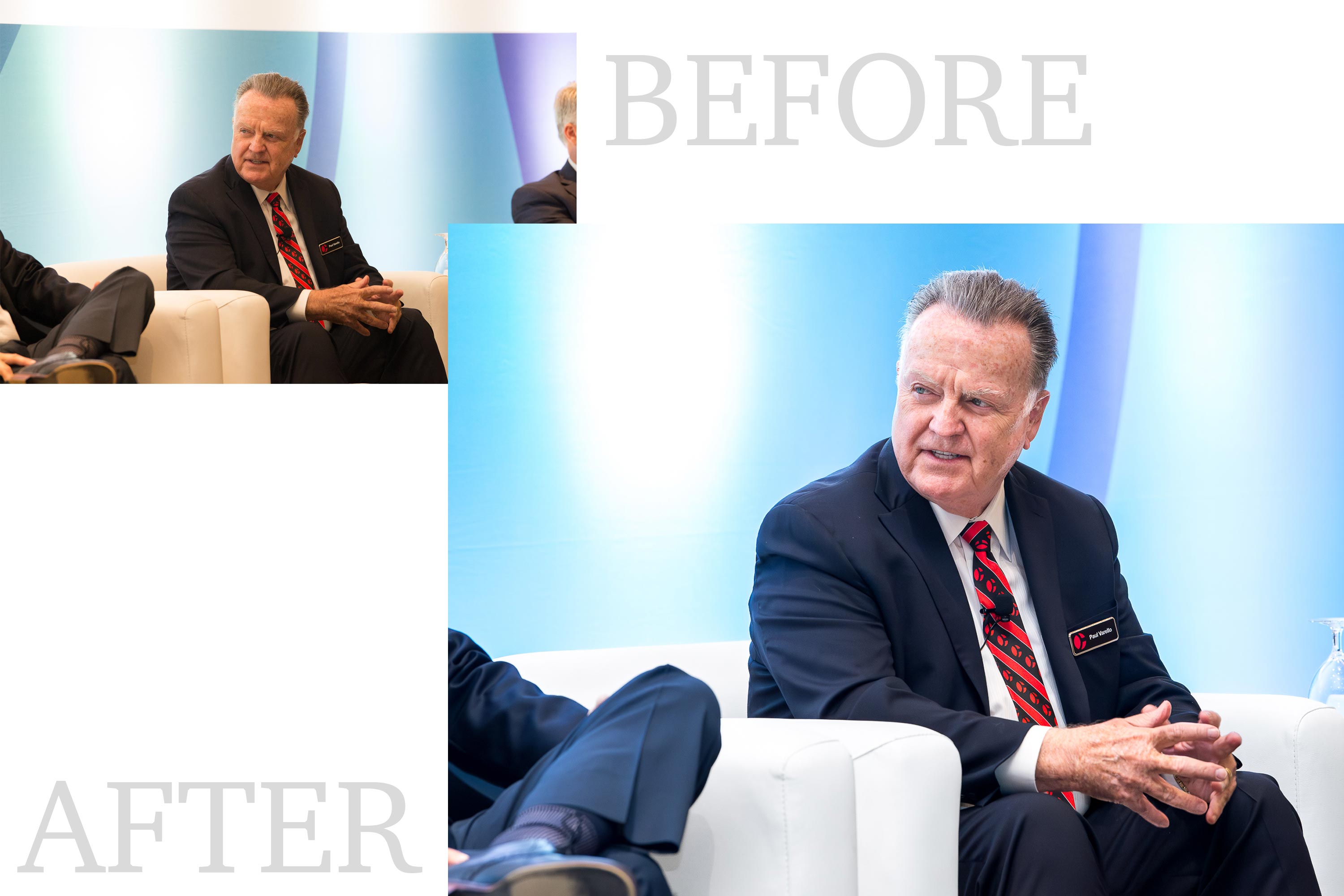
Why Washington DC Conferences Make Editing More Important
Washington, D.C. conferences often combine association, non-profit, policy, corporate, medical, technology, finance, and executive communications work. The audience may include board members, sponsors, speakers, VIP guests, media contacts, member organizations, and internal leadership. The photos need to look credible across all of those uses.
The visual conditions are rarely simple. A conference may move from a ballroom keynote to windowless breakout rooms, sponsor booths, a registration area, a step-and-repeat, a VIP reception, and a dim networking space. Stage lighting, LED screens, ceiling fixtures, mixed color temperatures, projection spill, and branded backdrops can all affect the look of the files.
This is why conference photography post-processing in Washington DC should be discussed before booking. The photographer has to create a cohesive gallery across many lighting conditions and many communication needs. A portfolio may show that the photographer can make a strong image. The post-production process tells you whether they can make the whole conference look consistent.
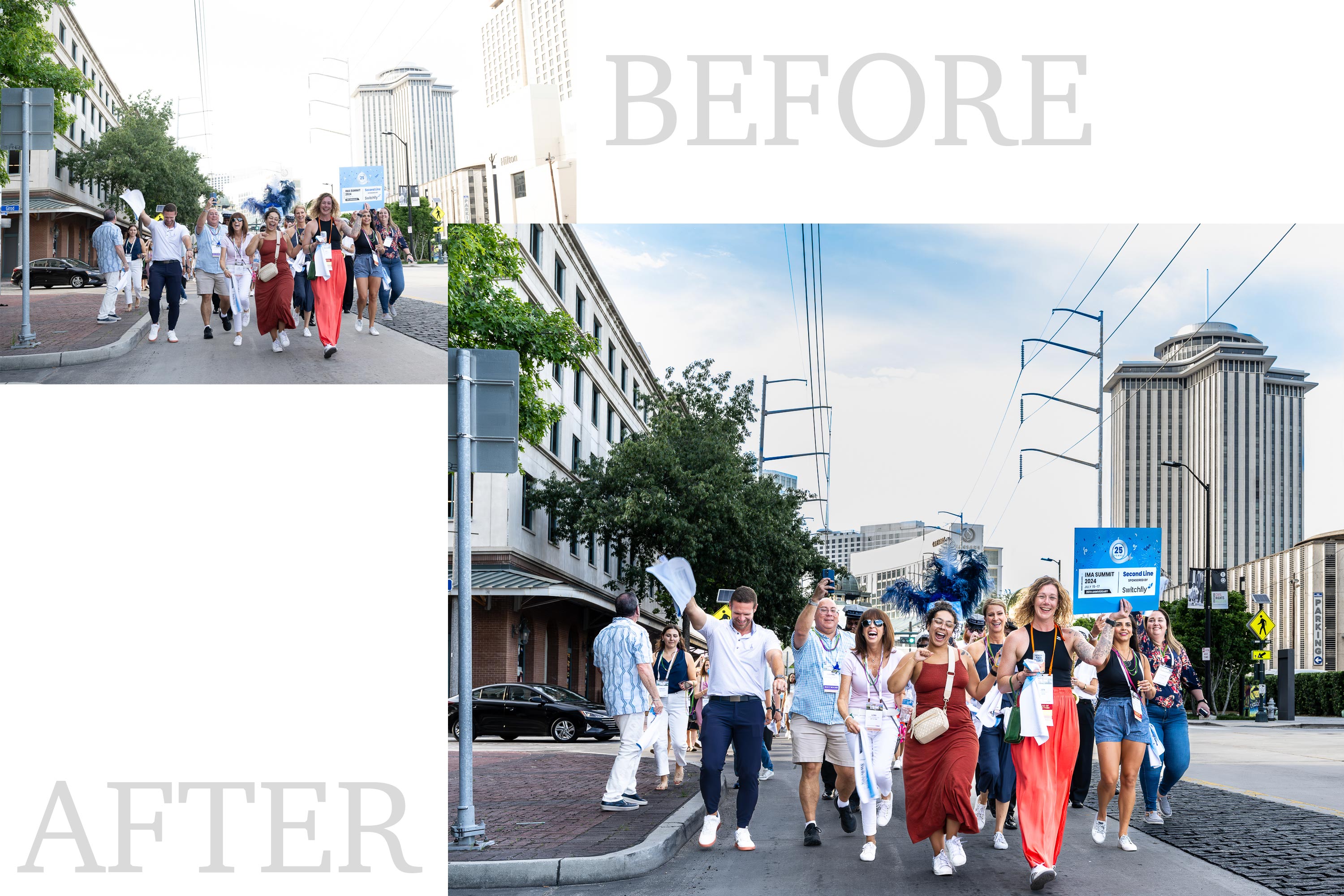
What Professional Post-processing Should Include
Post-processing is not one button. For conference photography, it usually starts with secure backup and careful culling. The photographer has to remove duplicates, blinks, missed focus, unflattering expressions, test frames, and near-identical sequences while preserving the real story of the event. Broad coverage should not mean an unedited dump of every frame.
After the selection is made, the delivered gallery should be corrected for exposure, white balance, color, contrast, crop, straightness, sharpness, and practical consistency. Retouching may be light for most event images, but it should be available when a speaker portrait, executive image, award photo, group photo, or sponsor-facing file needs extra care.
Delivery is also part of post-production. Ask whether you will receive high-resolution files, web-ready versions, organized folders, clear file names, and a practical gallery or download platform. Corporate Event photography becomes much more valuable when the files are easy to find, approve, download, and use.
Why Instant Delivery Is A Warning Sign
Fast delivery sounds attractive, especially when communications teams need images quickly. But a complete conference gallery can include hundreds or thousands of frames from different rooms, lighting conditions, speakers, audiences, sponsors, and reception moments. Human review takes time. Color consistency takes time. Retouching takes time. Export and quality control take time.
As a hiring rule, be cautious when a photographer says the full gallery will be post-processed and delivered immediately after the conference. For a serious business event, a good photographer should not present instant delivery as the same thing as careful post-processing. If the promise is "post-processing" plus immediate delivery, the images are likely being exported with no meaningful finishing or being processed automatically through generic algorithms.
This does not mean every fast service is bad. It means the scope must be honest. A fast, limited, human-reviewed highlight set is one thing. A fully polished conference gallery delivered right after a long event is another. For conference photography post-production in Washington DC, the timeline should sound realistic, not magical.
Rush Highlights Are Not The Same As A Finished Gallery
There is a legitimate place for speed. A press announcement, keynote recap, sponsor post, executive update, or same-week campaign may need a small number of selected images quickly. DChFOTO site copy, for example, separates standard final-gallery delivery from selected next-day images, priority turnaround options, and on-site editing for rush delivery.
That separation is important. If you need next-day highlights, ask how many images are included, who edits them, when they will arrive, whether they are color corrected, and what the additional fee is. Ask whether an on-site editor is needed. Ask whether the photographer must know the priority subjects before the conference starts.
For a full gallery, ask for a realistic delivery window. The previous DChFOTO guides used a standard final-gallery range of 7-15 business days for many events, with faster options depending on the project requirements. Your exact timeline may be different, but the answer should make sense for the size of the conference and the level of post-processing promised.
Ask How The Photographer Shoots With Editing In Mind
Good post-processing begins on site. The photographer's exposure choices, white-balance awareness, lens selection, lighting judgment, file format, and backup workflow all affect how strong the final files can be. A business event photographer in Washington DC should not rely on post-production to rescue preventable problems all day.
During the planning conversation, ask what camera bodies, lenses, lighting, backup gear, memory cards, batteries, and file-safety workflow the photographer uses. You do not need to choose the camera brand for them, but you do need to hear a confident, current, professional answer. If your conference includes quiet keynotes, panels, awards, or executive sessions, also ask how they work discreetly without disrupting the room.
Then ask how the equipment choices connect to the final gallery. Can they handle dark ballrooms, mixed LED lighting, fast stage movement, group photos, sponsor booths, and reception candids? Can they keep images consistent across main-stage coverage, breakout rooms, networking, and posed moments? The final post-processing quality depends on the capture discipline as much as the editing software.
Use The Phone Call As The Final Filter
Do not choose only by email. Once a photographer or company looks strong on portfolio, conference experience, delivery options, and post-processing standards, make a personal phone call. In a real conversation, it usually becomes clear quickly whether the photographer is the right fit for your conference, your guests, and your internal team.
That call should include direct questions about software. Ask what they use for culling, color correction, retouching, export, and gallery delivery. Common professional workflows may involve tools such as Photo Mechanic, Adobe Lightroom Classic, Capture One, Adobe Photoshop, or dedicated online gallery systems, but the exact brand is less important than the clarity of the answer. The workflow should sound organized, current, secure, and suitable for professional event delivery.
A professional event photographer in Washington DC should also ask good questions back. They should want to understand the agenda, VIPs, speakers, sponsor deliverables, brand standards, room lighting, delivery deadlines, usage needs, approval process, and on-site contact. If the conversation is vague, the gallery may be vague too.
A Short Checklist For The Phone Call
- Have you photographed conferences, association meetings, or corporate programs in Washington, DC?
- How would you cover our run of show, including keynote, panels, breakouts, sponsors, networking, VIP moments, and receptions?
- What does post-processing include for the full delivered gallery?
- Will every delivered image receive human review, color correction, exposure adjustment, crop/straightening, and export quality control?
- What retouching is included, and what counts as additional retouching?
- What is a realistic timeline for the complete final gallery?
- If we need next-day highlights, how many images are included, who edits them, and when must we request that workflow?
- If you offer immediate or next-day delivery, is it a selected highlight set or the complete post-produced gallery?
- What camera bodies, lenses, lighting, backup equipment, batteries, cards, and file-safety process do you use?
- What software do you use for culling, color correction, retouching, export, and gallery delivery?
- How do you keep images consistent across main-stage lighting, breakout rooms, sponsor areas, step-and-repeat photos, and receptions?
- Will we receive high-resolution files, web-ready files, organized folders, clear file names, and a delivery platform that fits our workflow?
- Does our schedule require one photographer, multiple photographers, or an on-site editor?
When It Makes Sense To Move Forward
If a photographer or company meets the standards above, it makes sense to call and talk personally. Look for strong conference work, complete coverage planning, realistic delivery timing, clear rush options, professional post-processing, reliable equipment, current software, secure file handling, and a calm Event photojournalism approach.
The phone call is the final filter. If the photographer explains the workflow clearly, answers equipment and software questions confidently, distinguishes rush highlights from a fully finished gallery, and understands the business use of the images, you have a serious candidate.
The right photographer protects more than the schedule on event day. They protect the post-event value of the conference. For conference photography in Washington DC, that value depends heavily on post-processing, because the final gallery is what your company, sponsors, speakers, executives, and communications team will actually use.