
A useful conference gallery should do more than prove that the event happened. It should help the organization explain the scale, credibility, audience, sponsor value, and energy of the event after the room is empty.
That requires more than a few good images of speakers at a podium. Strong conference photography tells the full story: the venue, the stage, the people in the seats, the conversations in the hallway, the sponsor presence, the branded details, and the moments that make the event feel alive. When planned well, these photos become marketing assets for event recaps, social media, public relations, sponsor reports, newsletters, websites, annual reports, internal presentations, recruitment, and future event promotion.
Why a Conference Photography Shot List Matters
A conference photography shot list is not about controlling every frame. It gives the event photographer a clear understanding of what the organization needs after the event. Marketing may need wide images for a landing page. Sponsors may need proof of visibility. Communications teams may need speaker images, attendee engagement, and polished details for a recap.
Corporate event photography depends on timing, discretion, and awareness of how professional events actually work. A strong shot list helps the photographer follow the run of show while still leaving room for event photojournalism, candid interactions, and unscripted moments. A corporate event photographer can translate that plan into complete coverage without making the event feel over-managed.
1. Wide Establishing Shots
Wide establishing shots show the venue, stage, room setup, signage, audience size, and overall scale of the event. These images are often essential for future conference promotion because they prove that the event had presence and credibility.
A good wide shot is not just a room photo. It should show context: the audience, the branding, the stage design, the environment, and the professional atmosphere. For associations and corporate teams, these images are especially useful for websites, sponsorship decks, and next-year registration campaigns.
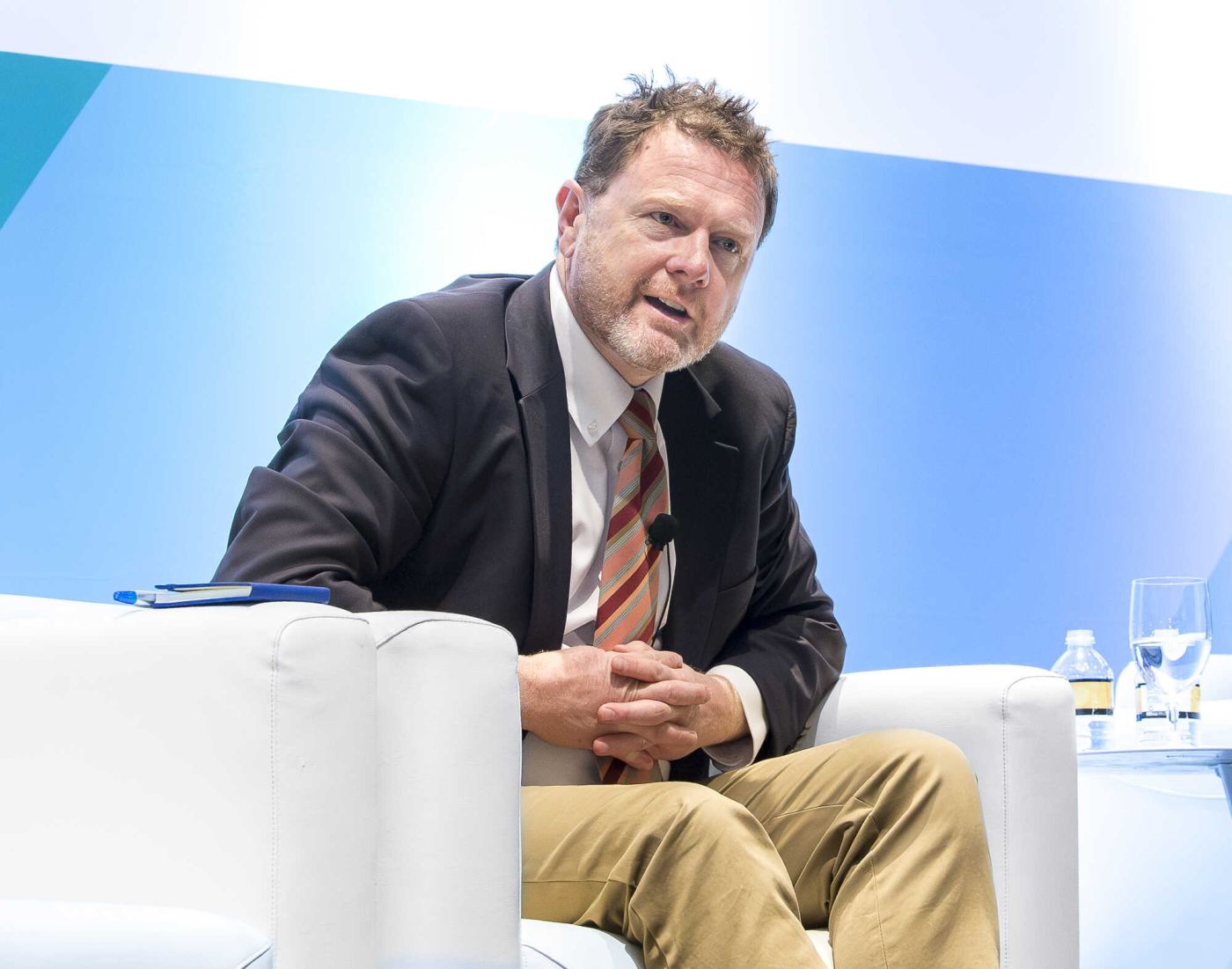
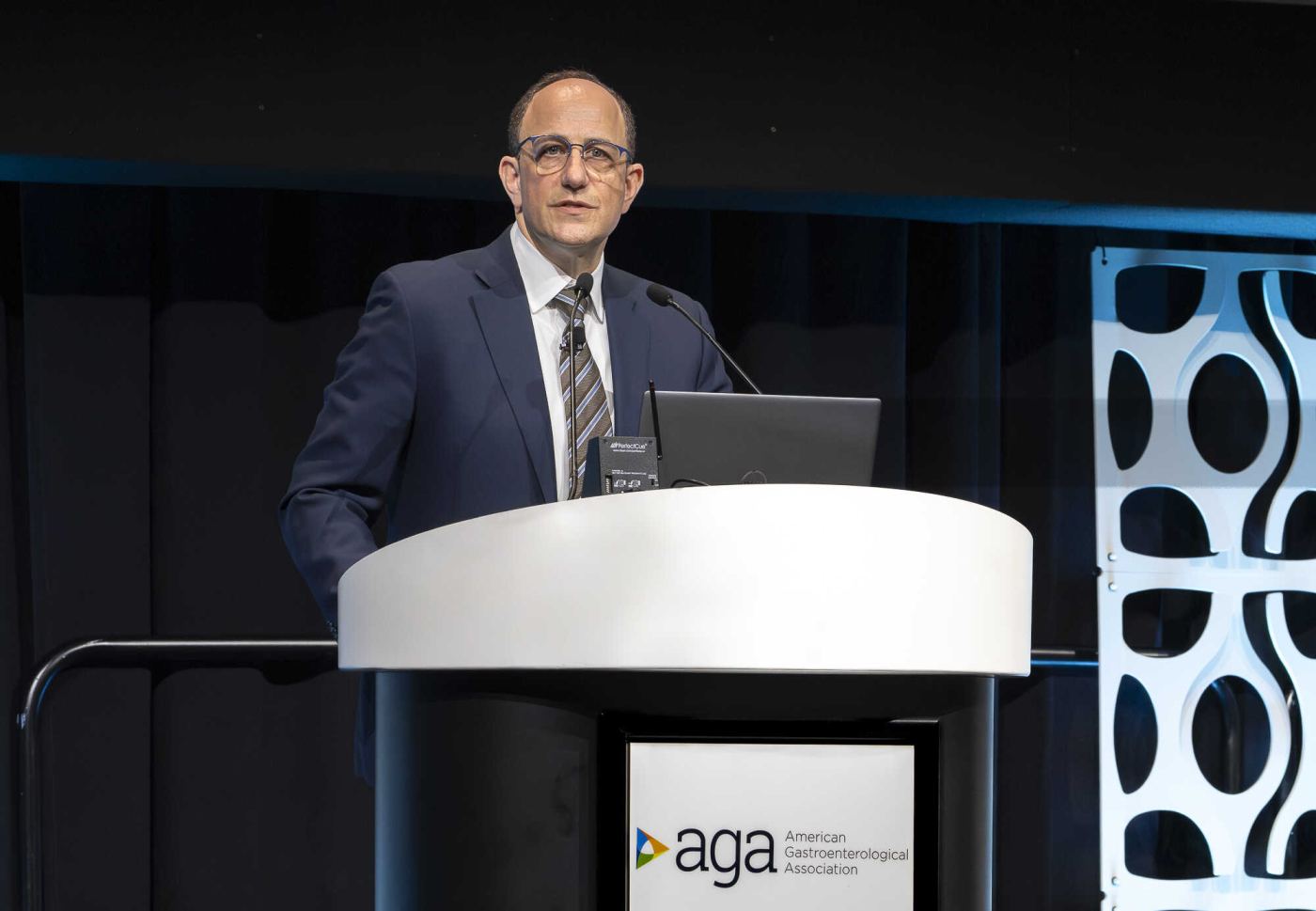
2. Keynote Speakers
Keynote photos are some of the most visible images in professional conference photography. They may be used in press releases, social posts, speaker follow-ups, recap articles, and internal communications.
The challenge is timing. A professional event photographer should avoid awkward expressions, closed eyes, distracting backgrounds, and weak stage angles. Strong keynote images usually come from clean composition, good awareness of stage lighting, and patience for a natural gesture or expression.
3. Panels and Discussions
Panels and discussions need more than one static image of people sitting in chairs. The gallery should show moderators, panelists, audience engagement, speaker relationships, and the rhythm of the conversation.
These images are valuable for conference recaps because they show intellectual substance and professional exchange. They also help speakers, sponsors, and organizers share the event in a way that feels credible rather than staged.

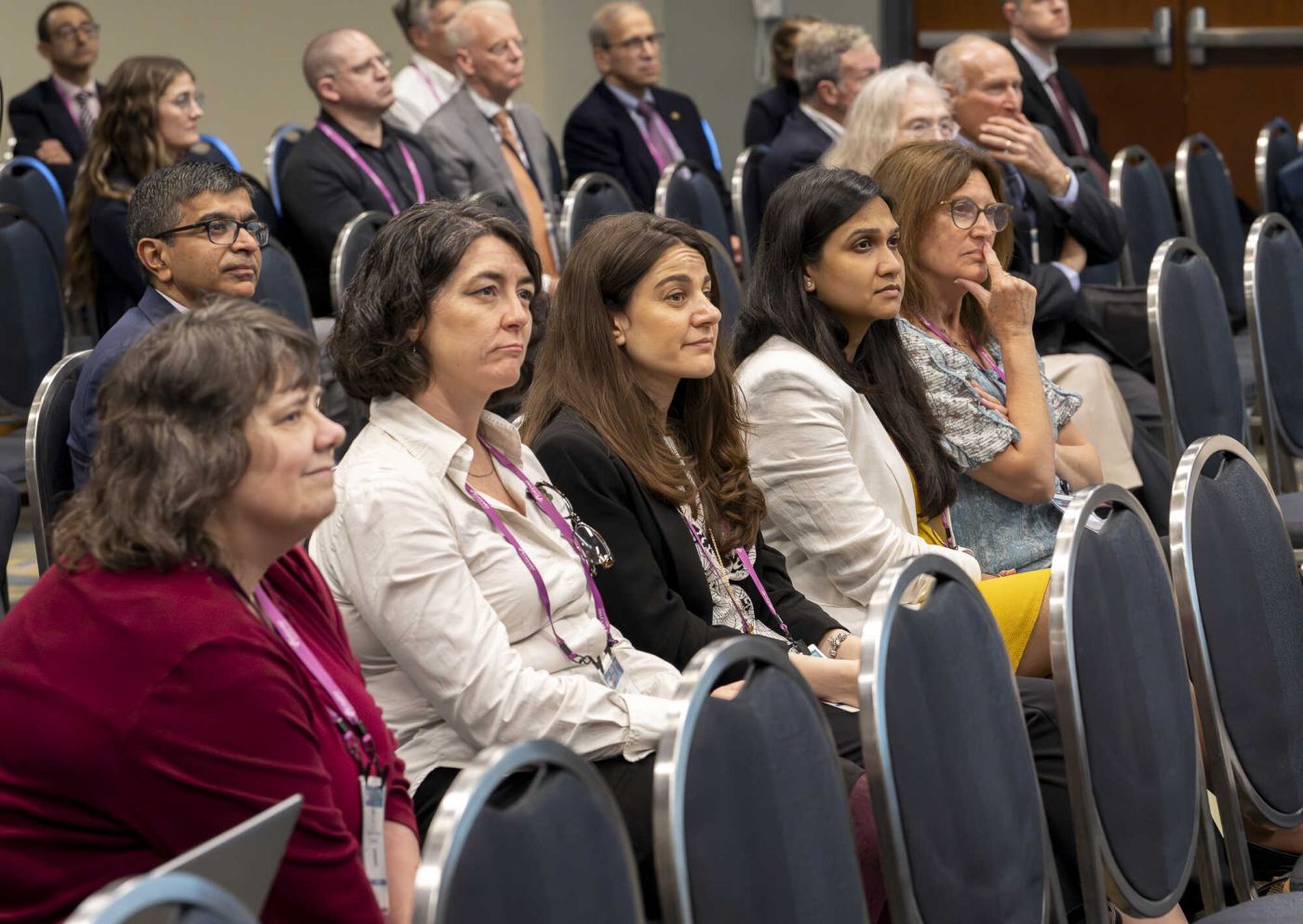
4. Audience Reactions
Audience photos prove that the event had energy and real participation. A complete gallery should include people listening, laughing, asking questions, taking notes, applauding, and responding to the program.
Attendee engagement is one of the clearest signals that a conference or convention worked. These images help future attendees understand the experience, and they give marketing teams more human, usable content than empty-room or stage-only coverage.
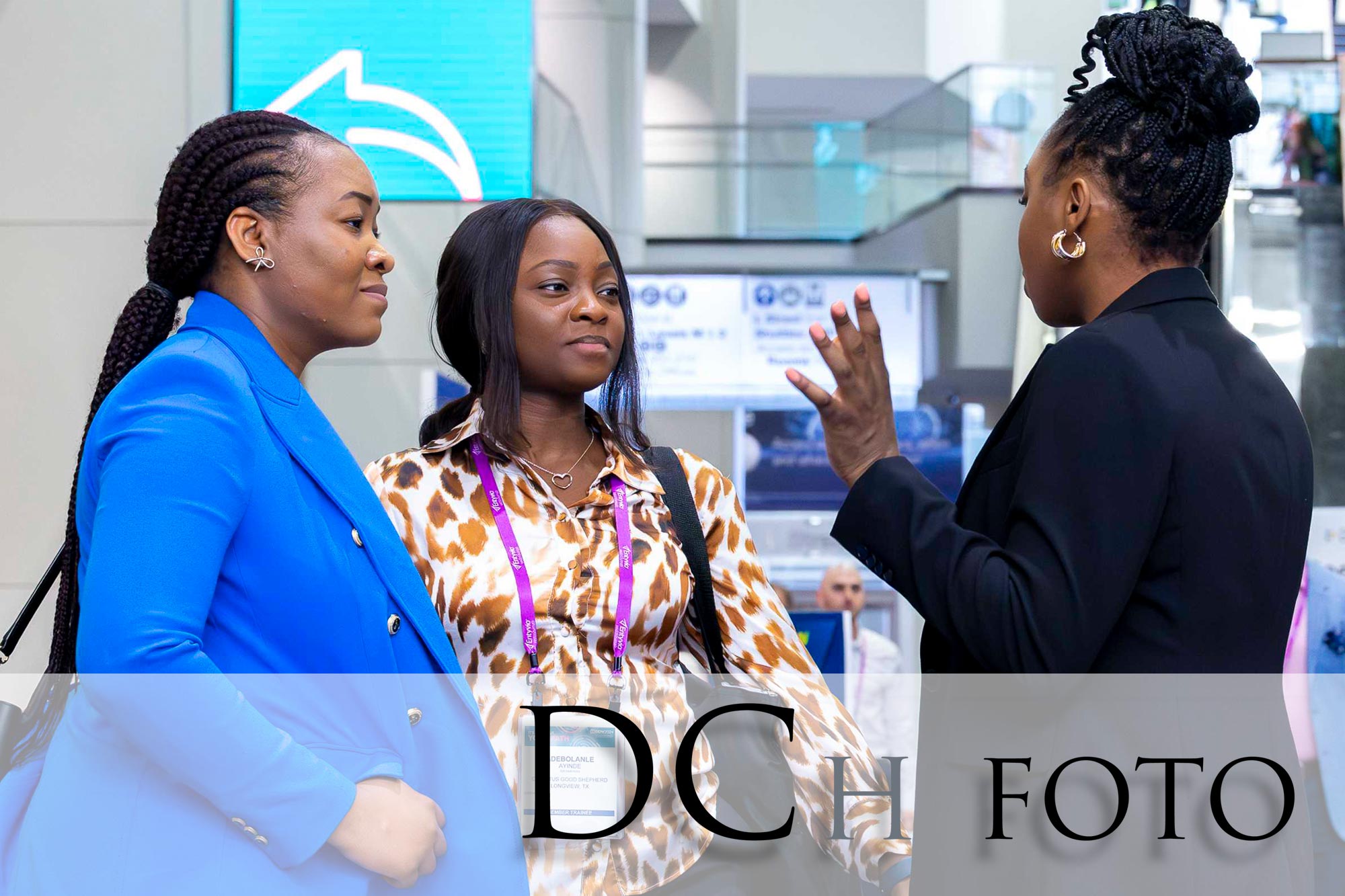
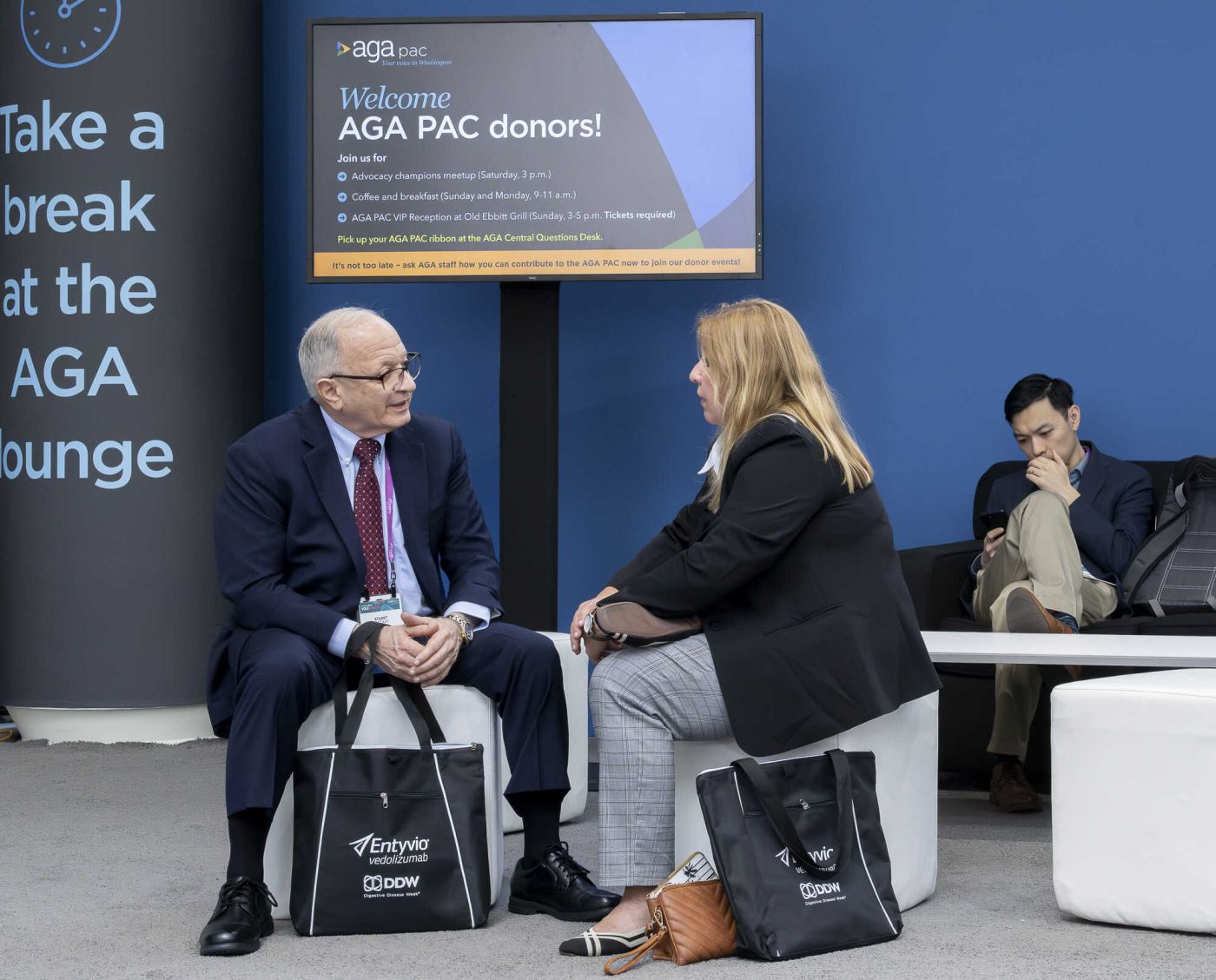
5. Networking and Candid Conversations
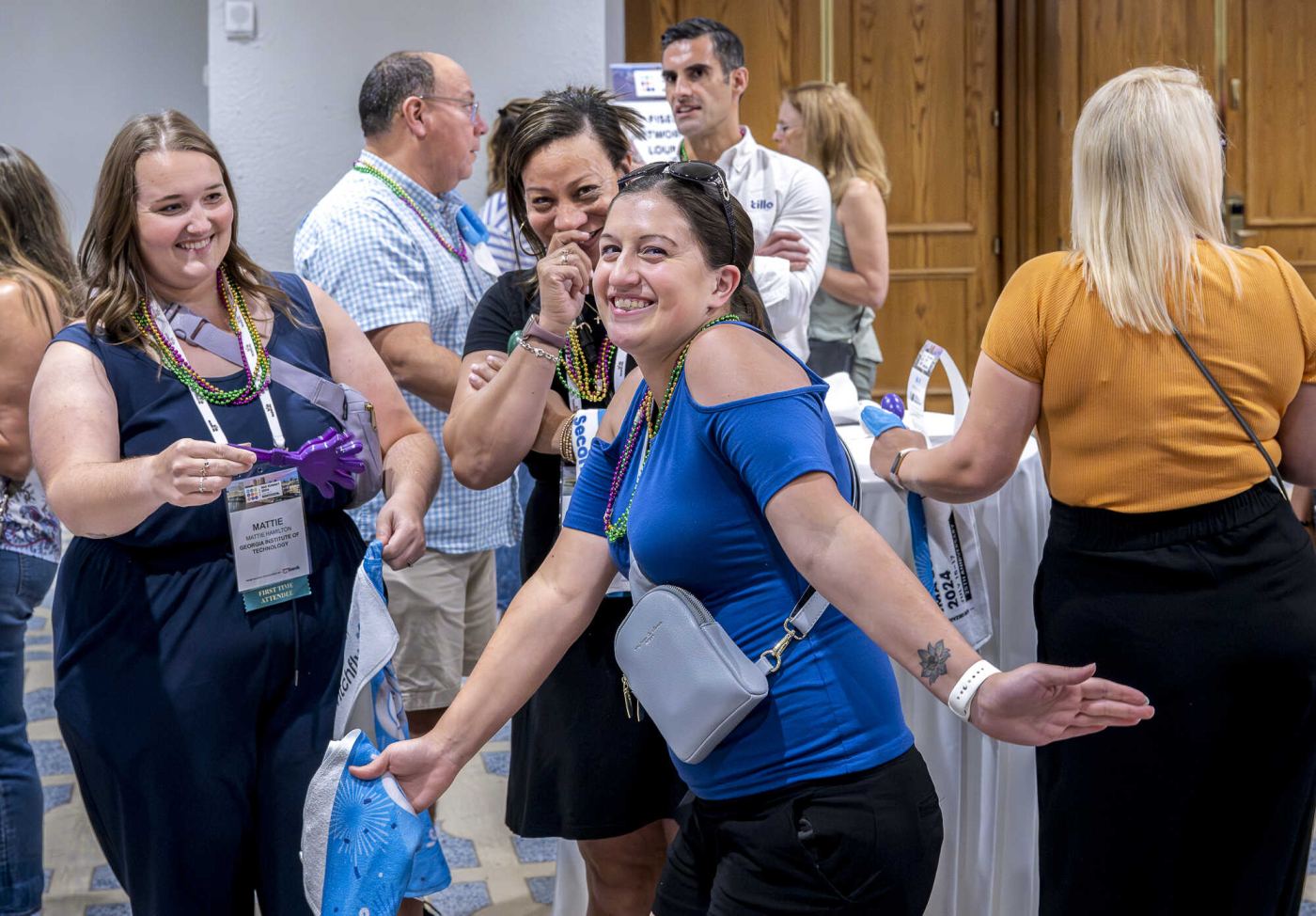
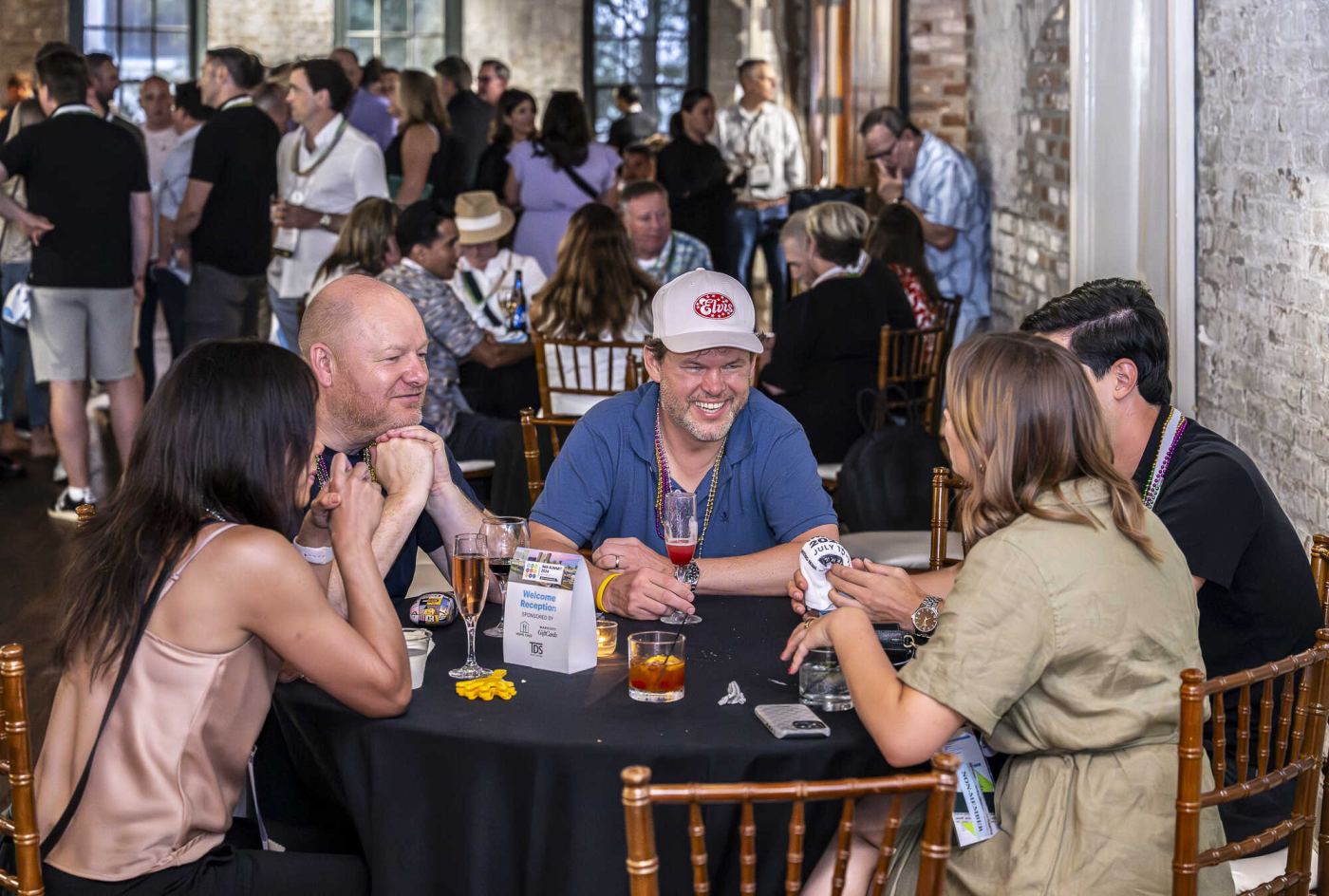
For many attendees, the real value of a conference happens between sessions. Networking moments, handshakes, coffee-break conversations, receptions, small groups, and informal introductions often communicate the purpose of the event better than any staged photograph.
These images should feel natural and respectful. A conference photographer needs to move quietly, anticipate interaction, and understand when a conversation can be photographed without interrupting it. This is where photojournalistic event photography is especially useful.

6. Sponsor and Partner Visibility
Sponsors often need visual proof that their brand was present, visible, and connected to the right audience. The final gallery should document sponsor signage, booths, branded backdrops, step-and-repeat areas, displays, activations, and interactions with attendees.
These are not just courtesy photos. Event photos for sponsor reports can support renewal conversations, partner recaps, and future sponsorship sales. Sponsor visibility should be planned before the event so the photographer knows which brands, booths, and moments are priorities.

7. Branding and Event Details
Badges, programs, signage, banners, stage design, registration areas, decor, gifts, printed materials, and branded screens all help tell the full visual story of the event. These details show planning, polish, and brand consistency.
Detail images are also flexible marketing assets. They can break up a recap article, support a social media carousel, illustrate an association newsletter, or help a communications team show the event's visual identity without relying only on speaker and crowd photos.
8. Awards, Recognitions, and VIP Moments
Awards, recognitions, executive greetings, honoree portraits, VIP interactions, ceremonial moments, and group photos often carry high internal value. They may matter to board members, sponsors, members, donors, executives, speakers, and honorees.
These images need accuracy and timing. The photographer should know who the key people are, when the recognition will happen, and whether a formal posed image is needed after the candid moment. For nonprofit event photography and association event photography, these photos often become important PR and stakeholder communication assets.
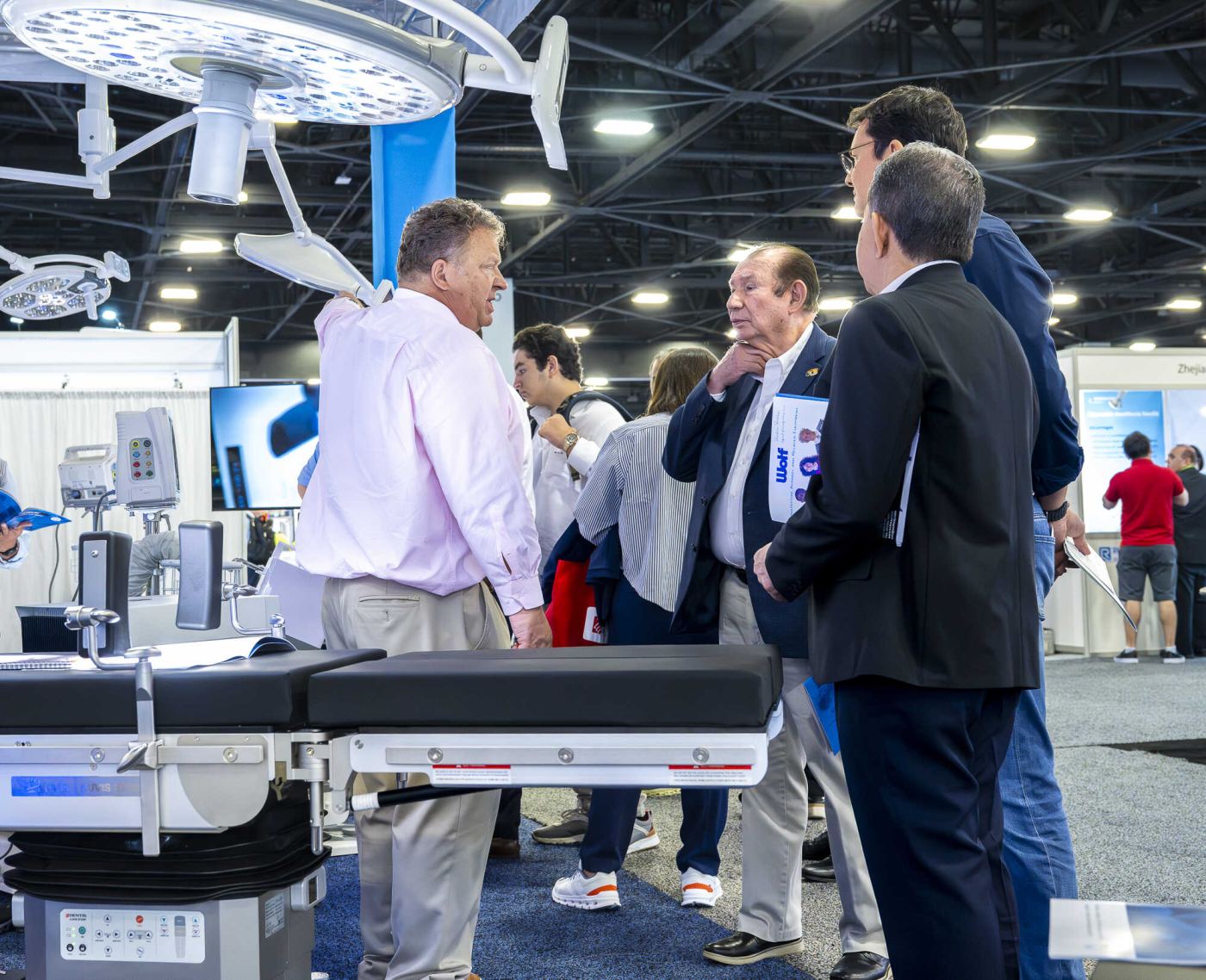
9. Trade Show or Exhibition Floor
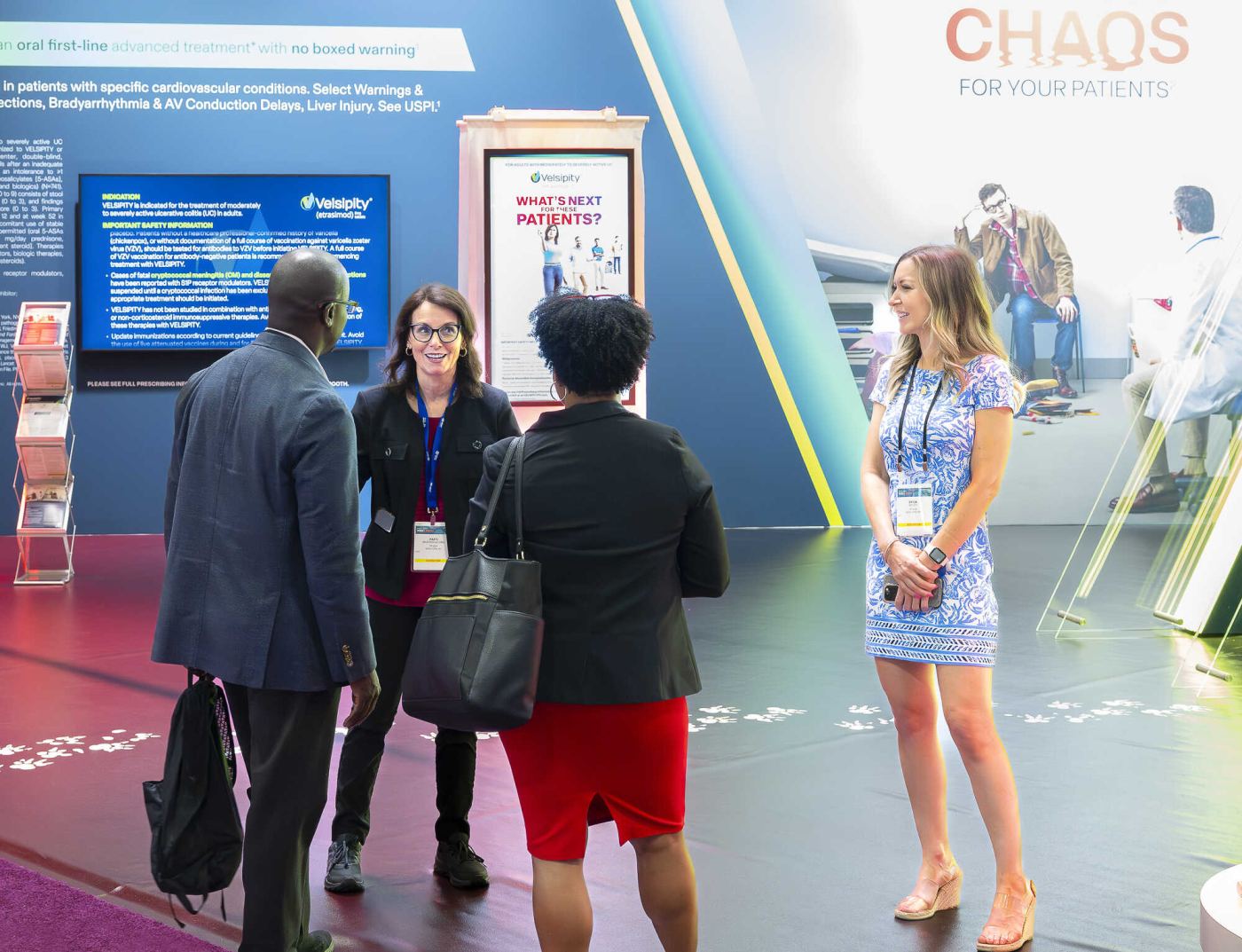
If the conference includes booths or exhibits, trade show photography should show activity, booth interactions, product demonstrations, attendee movement, branded displays, and the overall business environment.
The goal is to show more than rows of booths. Exhibition floor photos should communicate momentum: people asking questions, exhibitors presenting, products being demonstrated, and the event functioning as a marketplace of ideas, services, and relationships.

10. Atmosphere and Emotional Moments
Atmosphere makes a conference gallery feel alive. Applause, laughter, concentration, celebration, informal exchanges, focused note-taking, and shared reactions all help the final gallery feel human rather than purely documentary.
Event photography should preserve the emotional texture of the event without becoming theatrical. The best atmosphere images are often quiet: a speaker listening carefully, an attendee smiling during a conversation, or a room leaning in during an important point.

How Professional Event Photography Helps After the Conference
The best conference photos are not only the most visually attractive images. They are the images that help the organization explain the value, credibility, scale, and success of the event after it is over.
A complete professional image library supports recap articles, LinkedIn posts, Instagram and Facebook content, sponsor reports, public relations, newsletters, future ticket sales, annual reports, internal communications, recruitment, employer branding, media kits, and long-term archives. Professional event photography also depends on what happens after the event: culling, editing, color correction, consistent post-production, organized delivery, and high-resolution files that can actually be used by marketing and communications teams.
Conclusion: Plan the Gallery Before the Event
The strongest conference gallery includes both obvious moments and easily missed ones: keynote speakers, audience reactions, panels, networking, sponsor visibility, branded details, wide room views, awards, exhibition activity, and atmosphere.
If you want your conference or convention to continue working for your brand after the event ends, photography should be planned before the event, not treated as an afterthought. Work with an experienced professional event photographer who understands conference photography, corporate event photography, sponsor needs, and business storytelling.