

A Trade Show Shot List should do more than remind a photographer to capture the booth. It should define the visual evidence an exhibitor needs: people noticing the space, visitors stopping, products being demonstrated, knowledgeable staff answering questions, branding appearing in context, and real conversations developing into business opportunities.
This guide is for exhibitors, exhibit marketers, sales teams, and agencies planning photography around one booth or activation. It is intentionally different from a conference-wide checklist. If you need speakers, panels, awards, registration, audience reactions, and general event atmosphere, start with DChFOTO's 10 Must-Have Photos from Every Conference or Convention. The plan below stays focused on what happens at the stand.
The goal is not to manufacture activity for the camera. It is to help a Corporate event photographer recognize and document the moments that show how the booth actually worked. With a clear trade show photography shot list, the final gallery can support social media, sales follow-up, product marketing, exhibit evaluation, stakeholder reporting, recruiting, future-show promotion, and the next campaign.
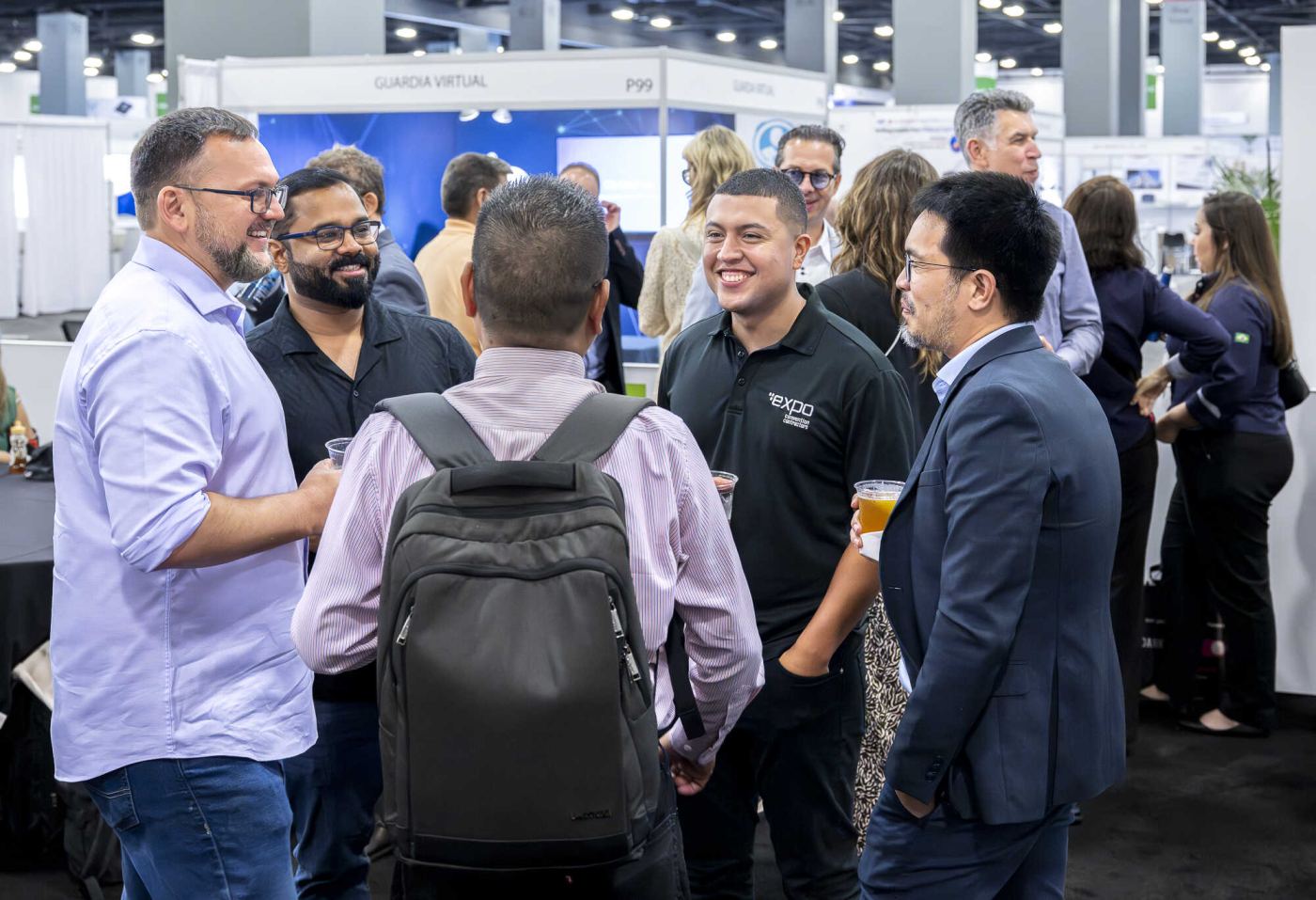
Start with What the Booth Gallery Must Prove
Before listing individual frames, decide what a successful gallery should communicate. A booth can look beautiful while empty and still fail to explain what visitors experienced. It can look busy in a wide photograph while hiding the product, staff expertise, or brand. The strongest exhibitor coverage connects physical presence with human activity and business purpose.
Choose three to five messages that the photographs must make visible. For example:
- the booth was easy to recognize on a crowded floor;
- the right audience stopped and engaged;
- visitors could see, test, or understand the product;
- staff members held substantive one-to-one conversations;
- the activation generated participation rather than passive foot traffic;
- the company presented a polished, credible presence.
Also identify the users of the final images. The social team may need vertical frames quickly. Sales leadership may need photographs of customer meetings. The exhibit designer may need wide views that show traffic flow. Product marketing may need a clean demonstration sequence. When the intended use is clear, Event photography becomes a planned business deliverable instead of a folder of attractive but interchangeable pictures.
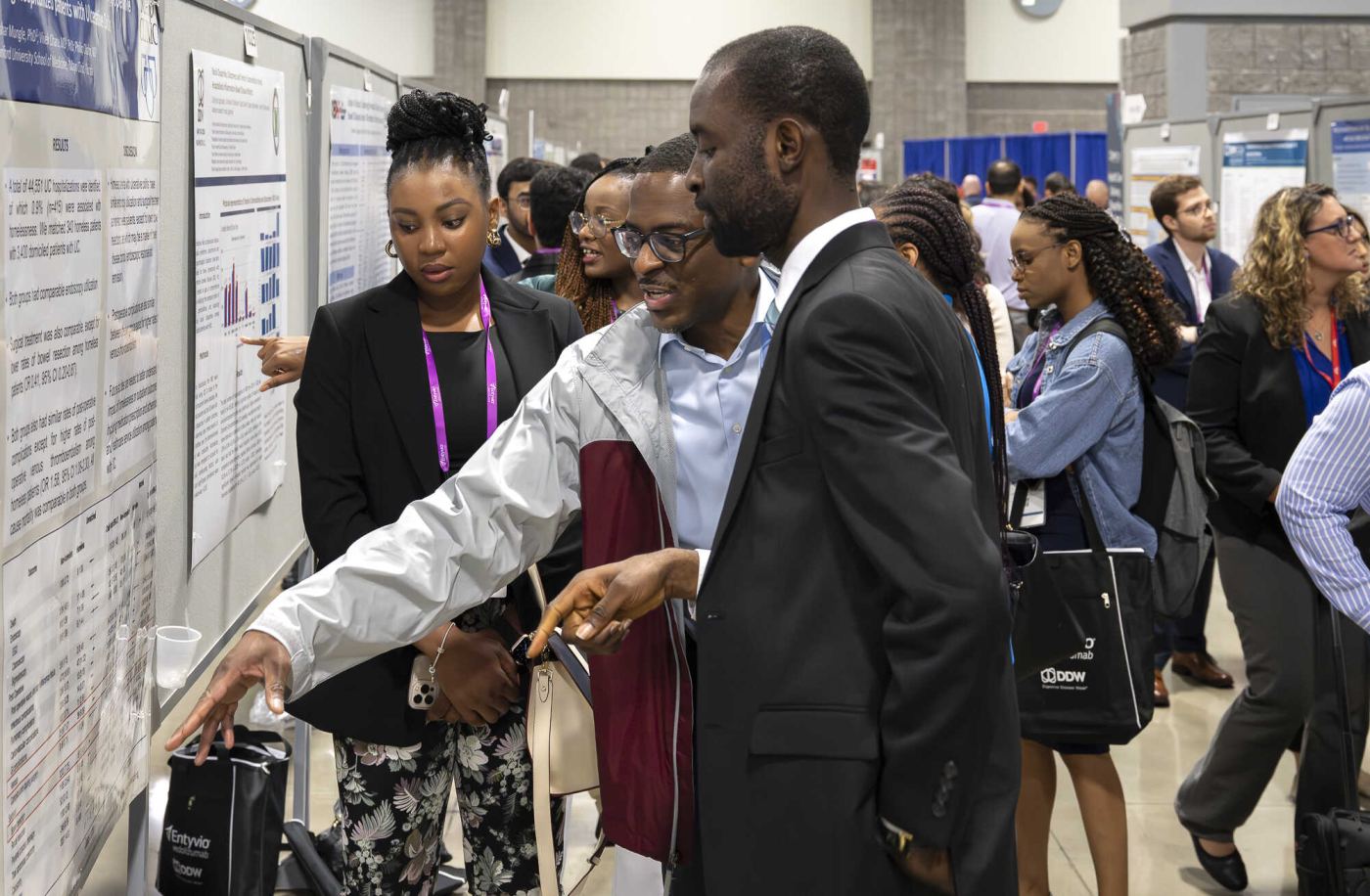
Photograph the Clean Booth Before the Floor Opens
Reserve a short access window after setup is complete and before attendees enter. This is the best opportunity to photograph the architecture, signage, lighting, product placement, screens, counters, meeting areas, and visual hierarchy without coats, cases, coffee cups, packing material, or unrelated passersby in the frame.
The clean-booth set should include a straight-on establishing view, both corner angles, an aisle-context view, and selected details. If the stand is large, add images that explain zones: welcome desk, demonstration station, consultation table, hospitality area, and any featured installation. These photographs document the investment in the exhibit itself and give designers or internal teams a useful reference after the show.
Check the content on LED screens before the photographer begins. A blank display, transition frame, error message, or unreadable animation can weaken an otherwise polished image. If the brand team needs a particular message visible, hold that screen or schedule the photograph around the content loop. Clean-booth photography should be deliberate; live-floor coverage can be fluid.
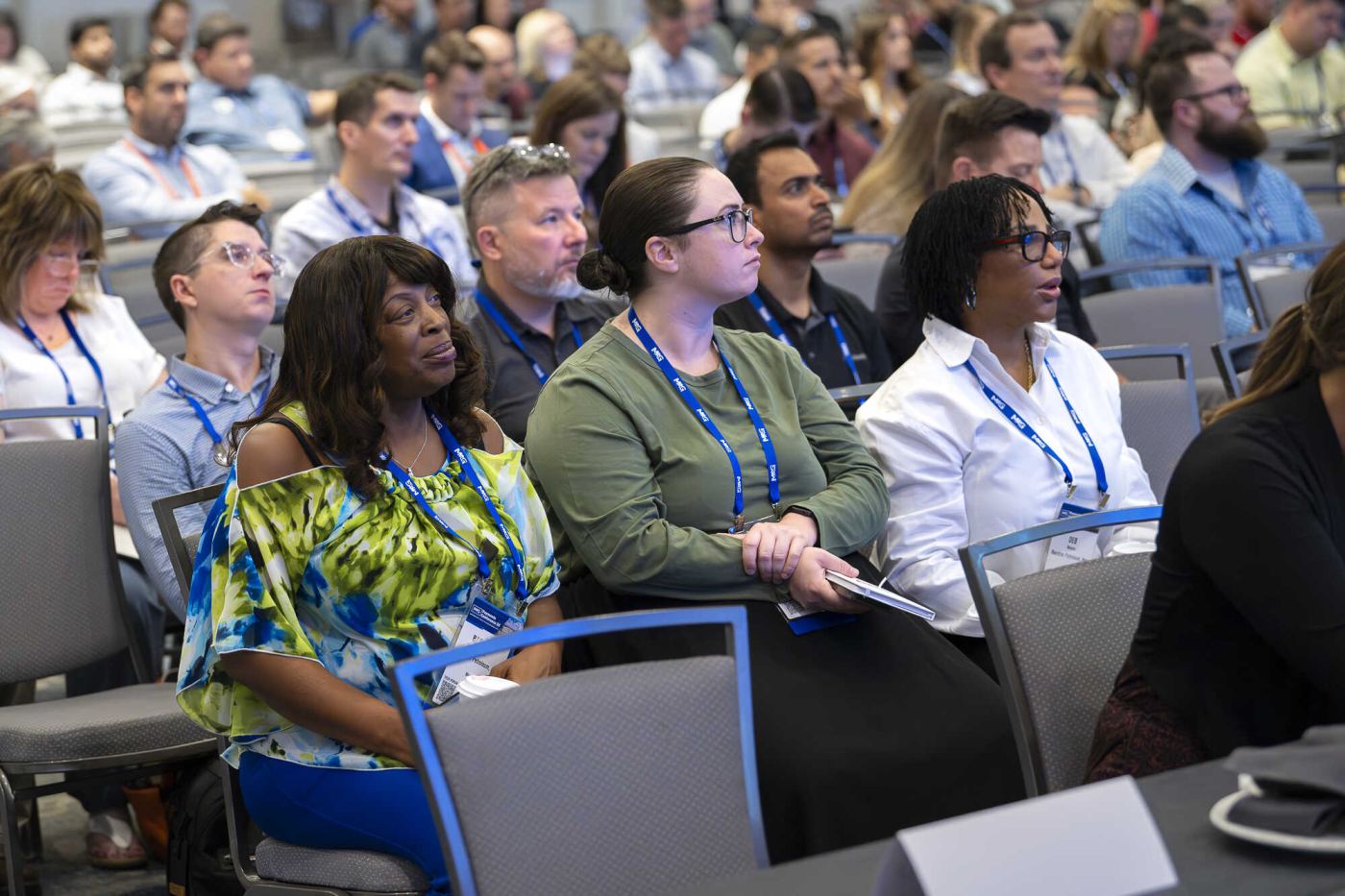
Capture Booth Traffic as a Visitor Journey
“Get booth traffic” is too vague for a useful Trade Show Shot List. Traffic is not simply the maximum number of bodies that can fit inside one frame. Photograph the progression from aisle movement to attention, approach, stopping, interaction, and deeper engagement.
Begin with a wide view that shows the stand in the exhibition environment. Then move closer for medium views of visitors entering, several conversations happening at once, a demonstration drawing interest, or a queue forming naturally. Add tighter frames of the moment a passerby looks toward the display, a staff member welcomes someone, or a visitor leans in to examine a product.
This sequence distinguishes visibility from engagement. A crowded aisle may show scale, but it does not prove that people are interested in the exhibitor. Conversely, two people having a focused technical conversation may be more valuable than a dense but disconnected crowd. Industry research summarized by IAEE emphasizes meaningful attendee-exhibitor engagement and the growing role of interactive product experiences. The photographs should make that quality of participation visible without claiming to measure leads or revenue.
Ask the booth manager when traffic normally peaks: immediately after a session, around a scheduled demo, during a hosted activity, or near lunch. A ten-minute warning from the on-site contact can be more useful than asking an Event photographer to wait beside the stand for hours while other priorities are missed.
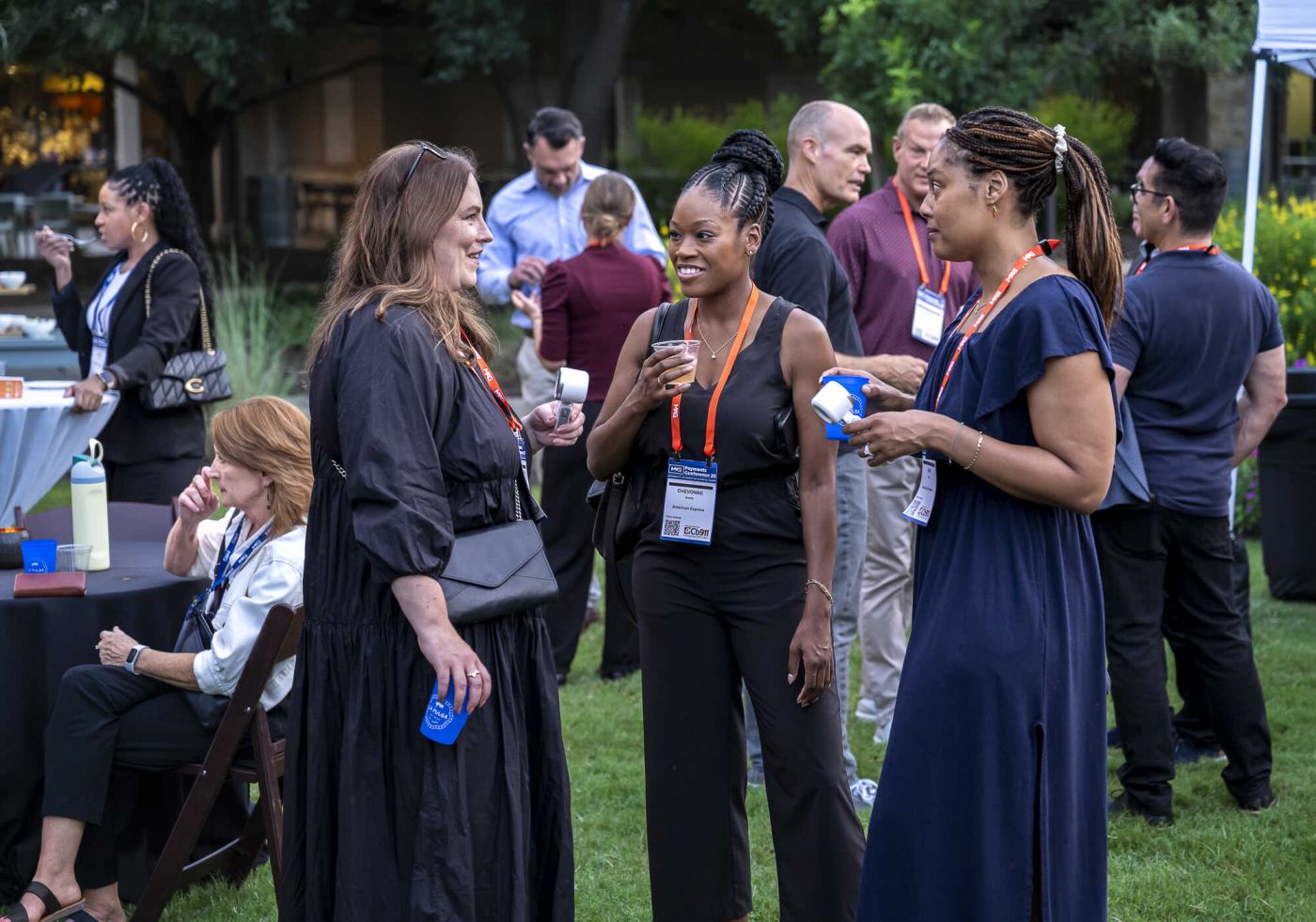
Prioritize Real Conversations, Not Camera-Aware Handshakes
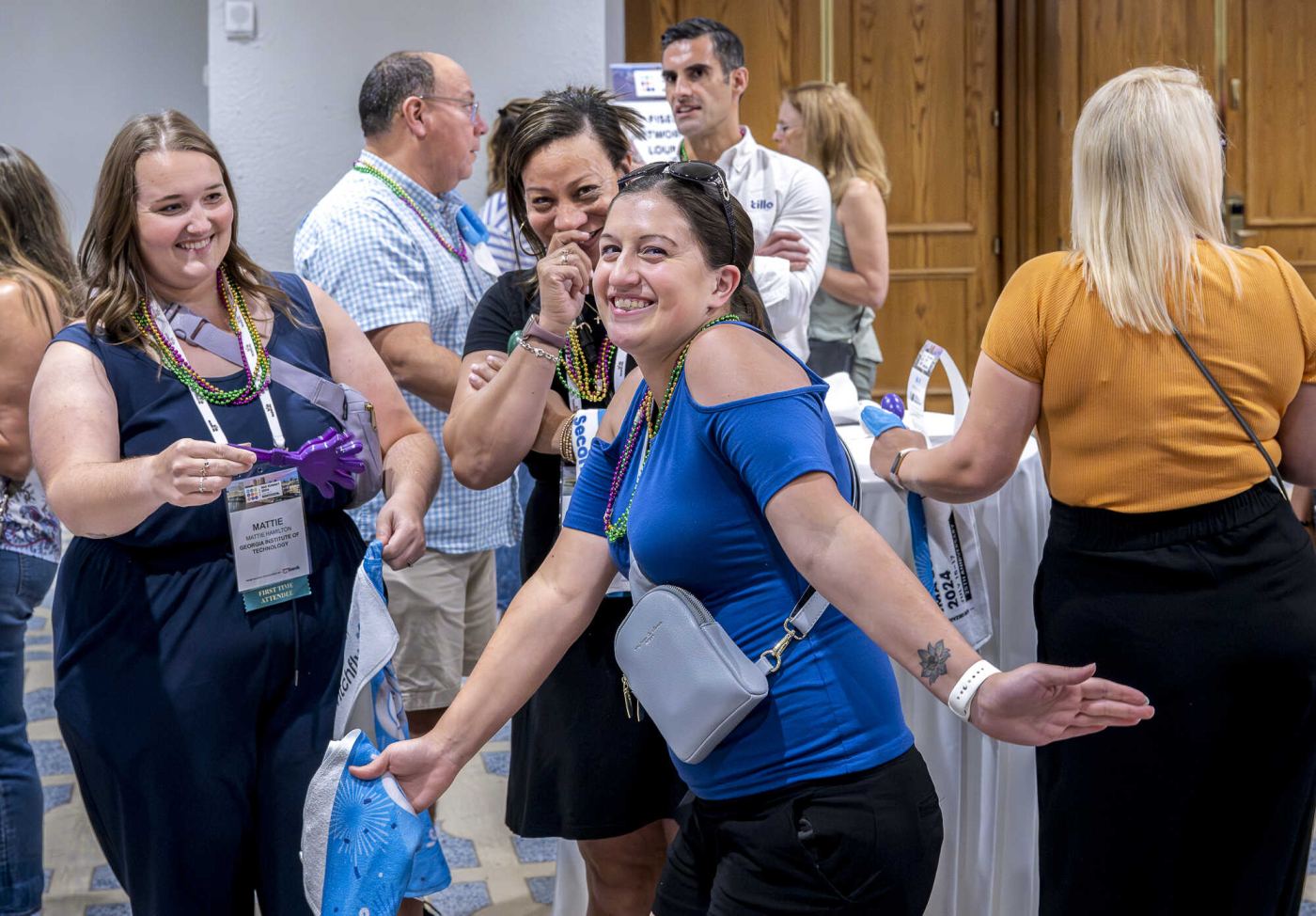
Visitor conversations are the center of exhibitor booth photography. Look for open body language, eye contact, listening, explanation, shared attention, and natural gestures toward a product or display. The most convincing frames show that both people are participating in the exchange.
A wide or medium view should establish where the conversation is happening and keep some brand context. A tighter image can show expression, a hand gesture, notes, or the moment a visitor responds. Photographing both gives the marketing team options: contextual images for reports and website pages, plus human images for social posts and sales communications.
Do not stop productive lead conversations merely to arrange a handshake. Event photojournalism works best when the photographer observes, anticipates, and moves quietly. A posed greeting can be useful for a scheduled executive or partner visit, but it should not replace documentary coverage of real staff-visitor interaction.
Brief booth staff before the show. They do not need to perform for the camera, but they can help by keeping open posture, avoiding clusters of employees facing inward, and making space around the product when a demonstration begins. They should continue serving the visitor; the Corporate event photographer will find the angle.
Photograph Each Demonstration as a Complete Sequence
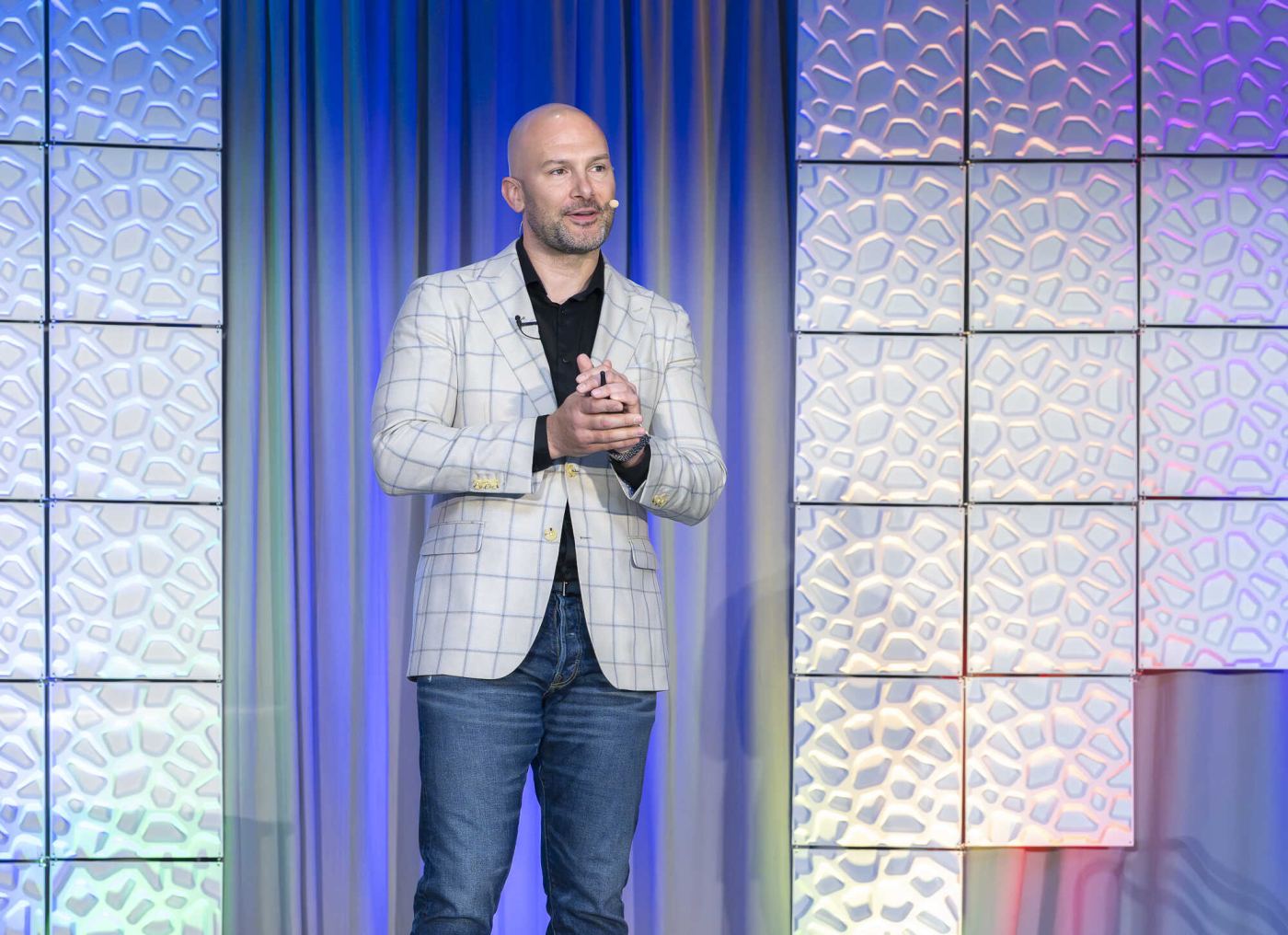
A single close-up of hands or equipment may be visually strong but impossible to understand later. Product demonstration photography should explain what is happening. Build a short sequence that includes context, presenter, product, action, attendee participation, and response.
Use this structure:
- Context: a wider frame that locates the demonstration inside the booth and includes readable branding.
- Introduction: the specialist addressing one visitor or a small group.
- Action: the product, interface, tool, sample, or process being used.
- Participation: a visitor trying, pointing, testing, or asking a question.
- Reaction: interest, concentration, surprise, recognition, or discussion after the key moment.
- Detail: the feature, result, or branded element that makes the demonstration identifiable.
Share the demonstration timetable, the expected duration, the best moment visually, and the name of the presenter. Explain whether the photographer may move behind the station or must remain in the aisle. For technical, pharmaceutical, or medical exhibits, also identify information, devices, labels, screens, or participants that cannot be photographed. DChFOTO's healthcare and pharmaceutical event photography service shows why technical demonstrations require both visual timing and assignment-specific awareness.
Make Branding Readable Inside Human Activity
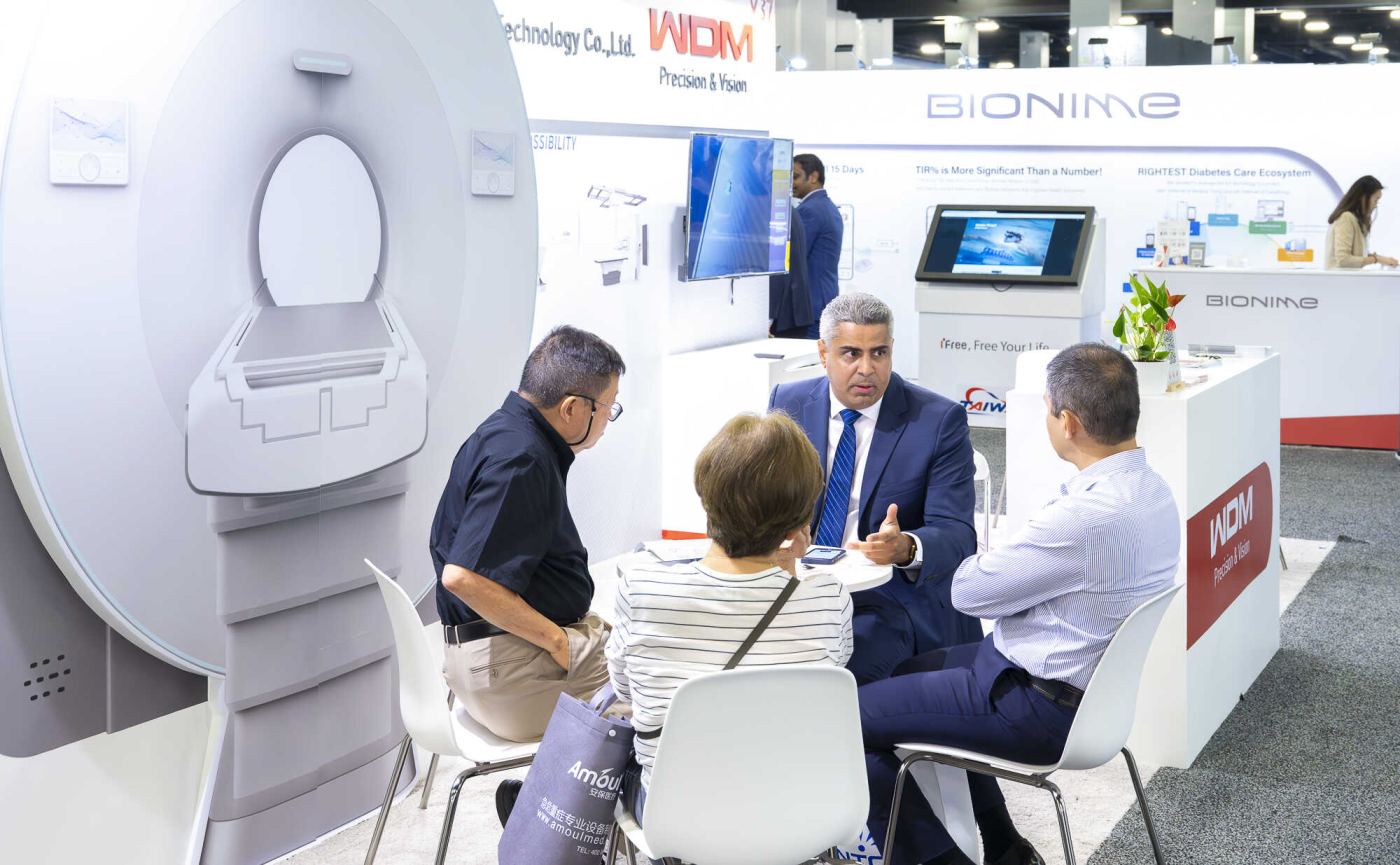
Branding should be visible, but a gallery of logos without people does not show the booth working. Plan images in which the company name, product family, campaign message, or recognizable brand color appears behind a real interaction. The viewer should be able to identify the exhibitor and understand the activity without the frame feeling like a photograph of a sign.
Look for clean sightlines. A small change in camera position may separate a person's face from a bright logo, remove a competitor's sign from the background, or prevent a banner pole from appearing to grow out of someone's head. On a visually crowded trade show floor, this background discipline is a major part of professional Event photography.
Include several levels of brand coverage:
- a wide booth view with the primary overhead or wall identity;
- a medium interaction with a readable message in the scene;
- a close detail of branded material being used, held, or discussed;
- a vertical composition with space for social copy;
- a horizontal composition suitable for a website banner or sales deck.
If legal or brand teams must approve claims shown on screens or graphics, provide the approved content schedule before coverage. The photographer can then prioritize frames in which both people and messaging are accurate.
Show the Expertise of the Booth Team
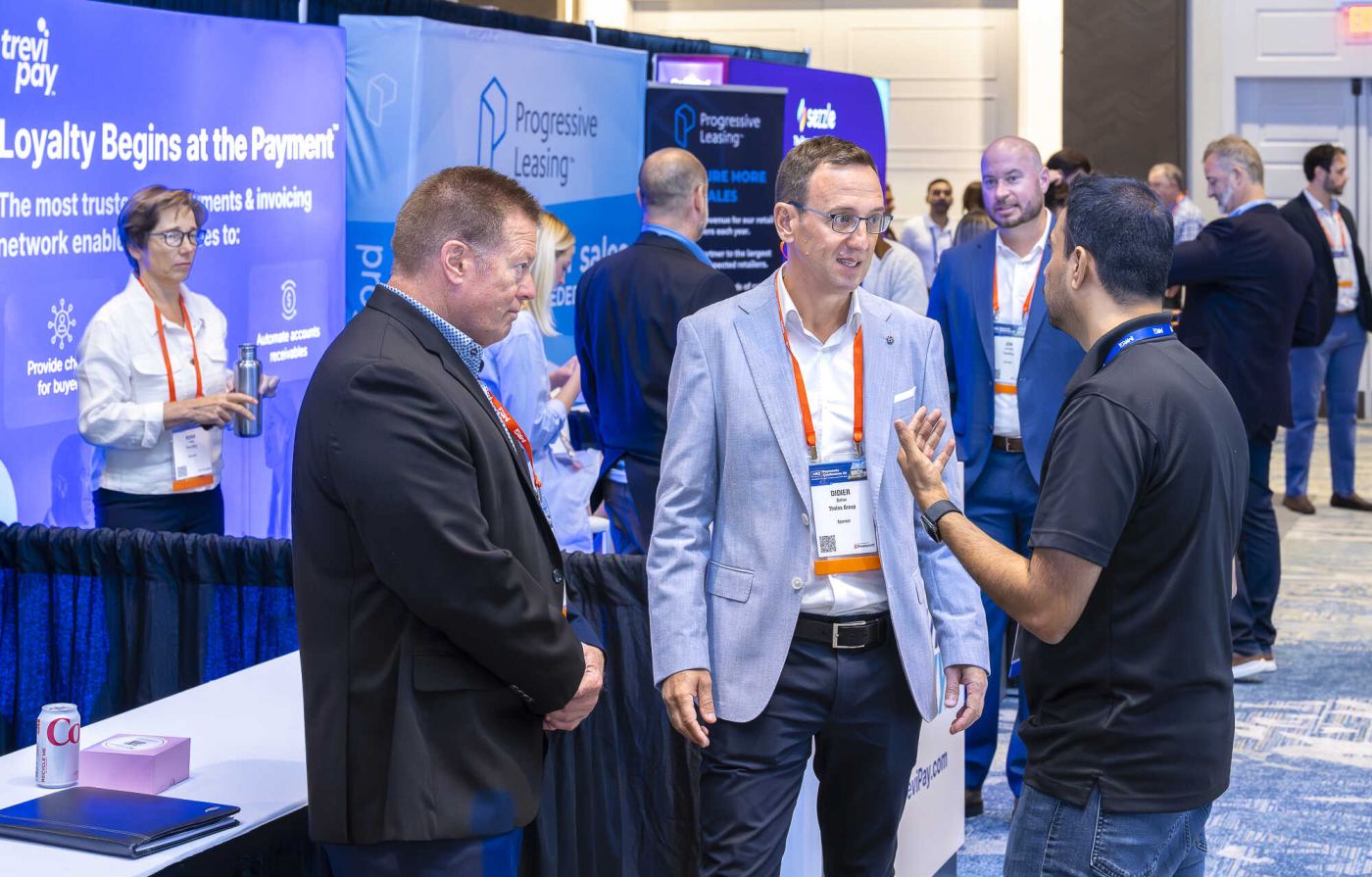
A staff group portrait documents who attended, but it does not show what the team contributed. Capture subject-matter experts explaining a feature, sales representatives listening to a visitor, leaders greeting a customer, and technical staff guiding hands-on use. These images communicate capability as well as presence.
CEIR's exhibition-industry research has emphasized that B2B attendees use the show floor for both shopping and learning and value access to knowledgeable people. That makes the identity of the booth team part of the visual story. If a product engineer, clinician, founder, executive, partner, or customer speaker will appear only during a narrow window, list that person by name and time.
Plan one quick team photograph before the floor opens or during a quiet period. Make a complete roster, check name badges and uniforms, remove food and personal items, and create one formal frame plus one more relaxed option. Then prioritize documentary images of those same people doing the work visitors came to see.

Document Activations and Lead Capture with Care
Games, samples, consultations, scans, headshot stations, competitions, hospitality, and interactive installations can create useful evidence of participation. The photograph should show the action, the participant, and enough booth context to connect the experience to the brand.
For a multi-step activation, photograph arrival, instruction, participation, result, and reaction. If a queue forms, capture it from an angle that shows interest without making the booth look inaccessible. If the activation produces an object or digital result, include the handoff or sharing moment.
Lead capture requires restraint. Avoid readable badge details, email addresses, phone numbers, forms, CRM records, appointment calendars, private notes, or identifiable information on tablets and laptops. Ask whether scanners and screens can appear at all. A useful image can show the interaction without exposing the data.
Photography should not slow the lead process. Identify a safe working position, keep aisles clear, and let the staff member complete the exchange. If a staged image is needed for training or a campaign, schedule it outside peak traffic and use approved sample information.

Schedule Priority Customers, Partners, and Executives
Some of the most valuable booth moments are predictable: a customer visit, partner announcement, distributor meeting, media interview, executive walkthrough, hosted buyer appointment, or VIP demonstration. Put these moments on the Trade Show Shot List with names, roles, arrival windows, and the preferred contact at the stand.
Decide what is needed before the person arrives. Options may include a natural greeting, a conversation at the product, a posed photograph with branding, a small group, and a final horizontal frame for communications. When time is short, the photographer can secure the essential image first and then continue with candid coverage.
Do not publish a visitor's identity or imply an endorsement without the appropriate approval. The communications team should distinguish between internal documentation, partner-approved publicity, and general event coverage. Photography creates the asset; the organization remains responsible for using it according to its permissions and agreements.

Frame the Gallery for Real Marketing Uses
Tell the photographer where the images will go. A website hero, LinkedIn post, vertical story, media release, case study, sponsor report, sales presentation, and exhibit-design award entry all favor different compositions. The subject may be the same, but the framing should change.
Request a practical mix:
- horizontal wides with negative space for headlines;
- vertical interactions for mobile and social channels;
- medium frames that balance people, product, and branding;
- tight details for carousels, layouts, and visual transitions;
- clean documentary frames for internal reporting;
- selected rush highlights for show-day or next-day communication.
Do not assume every photograph can be cropped into every shape. Capture intentional variations while the moment is available. If same-day marketing is important, provide the exact deadline, channel, orientation, and decision-maker. Delivery speed and special outputs are part of the assignment scope; DChFOTO's guide to corporate event photography pricing explains how those requirements affect planning.
Build the Coverage Timeline Around the Show Floor
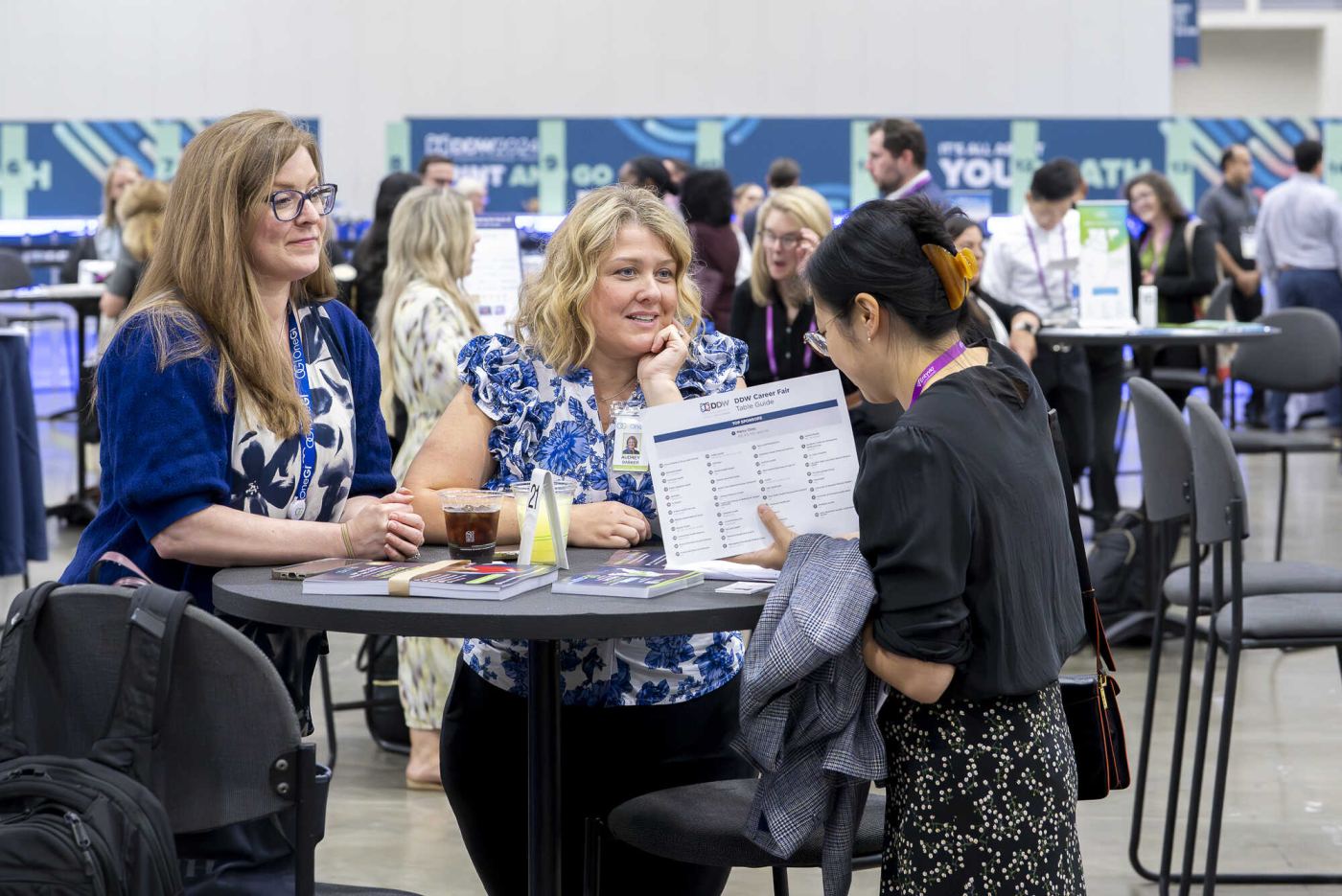
A strong booth plan usually needs more than one short visit. The empty stand, opening traffic, scheduled demonstrations, customer meetings, team portrait, peak activity, and final details may happen at different times. Build the photography schedule around those windows instead of assigning one arbitrary block.
Provide the photographer with:
- show name, venue, hall, booth number, and access credentials;
- floor plan and the fastest route to the stand;
- setup-complete time and clean-booth access window;
- show-floor hours and expected traffic peaks;
- demonstration, presentation, and activation schedule;
- priority people and scheduled visits;
- products, messages, and brand elements that must be visible;
- restricted subjects, screens, visitors, or areas;
- rush-image deadline, orientation, and delivery contact.
If one photographer is also covering the conference program, identify conflicts between the exhibit hall and stages or breakout rooms. A second photographer may be necessary when the keynote, booth demo, and executive visit overlap. Staffing should protect the mandatory moments, not merely increase the number of cameras.

Confirm Permissions, Privacy, and Show Rules
The organizer, venue, exhibitor, and individual participants may each have rules that affect photography. Confirm credentials, aisle restrictions, early access, lighting limitations, tripod or stand policies, and whether releases or posted notices are required. Do this before the photographer arrives.
Create a short “do not photograph” list. It may include prototype components, unreleased products, confidential slides, visitor badges, competitor meetings, children, private consultations, sensitive medical material, or screens containing personal information. Name the on-site person who can answer questions quickly.
Event photojournalism should be observant without being intrusive. The photographer can work around a sensitive conversation, return later, or frame an interaction so private information is not readable. Clear restrictions make coverage more efficient because the team does not have to resolve every question in the middle of peak traffic.

Copy-and-Use Trade Show Shot List for Exhibitors
Use this checklist as a starting point, then remove anything that does not support the booth's goals. Rank the remaining items as mandatory, important, or optional.
Before the floor opens
- front, corner, and aisle-context booth views;
- primary signage and campaign message;
- product displays, screens, counters, and meeting zones;
- branded details and environmental design;
- complete booth team portrait;
- clean horizontal and vertical marketing compositions.
During live traffic
- visitors noticing and approaching the stand;
- welcoming moments at the booth threshold;
- wide and medium views of active booth traffic;
- multiple simultaneous staff-visitor conversations;
- focused one-to-one consultations with eye contact and listening;
- hands, gestures, product references, and natural reactions;
- readable branding connected to human activity.
Demonstrations and activations
- demonstration context and presenter;
- product or interface clearly visible;
- key action or feature in use;
- visitor participation and questions;
- attendee reaction and follow-up discussion;
- activation instructions, participation, result, and handoff;
- queue or gathered audience without blocked aisles.
Priority business moments
- customer, partner, executive, VIP, and media visits;
- subject-matter experts explaining the offering;
- scheduled greetings and approved posed groups;
- horizontal, vertical, wide, medium, and detail variations;
- rush selects matched to the required marketing channels.
A practical shot list leaves room for moments nobody could schedule: a visitor's recognition when a solution clicks, a spontaneous group forming around a demo, or a strong exchange between an expert and a prospect. Priorities guide the photographer; they should not eliminate observation.
Turn One Show into a Reusable Image Library
The best exhibitor gallery explains the booth as a sequence: the brand is ready, the audience notices, visitors approach, staff engage, the product becomes understandable, and real business conversations follow. That is the standard a focused Trade Show Shot List should protect.
Photographs cannot prove lead quality, conversion, or return on investment by themselves. They can provide credible visual evidence of presence, participation, expertise, product engagement, and brand execution. Combined with lead data, staff feedback, and campaign results, those images become a useful part of the post-show record.
DChFOTO provides Corporate event photography and trade show coverage in Washington, DC and nationwide. Review the DChFOTO Event Photography Portfolio, then contact DChFOTO with the show schedule, booth number, demonstration times, priority people, image uses, and delivery deadline. A precise brief allows the Event photographer to protect the moments that matter while the booth team stays focused on visitors.