
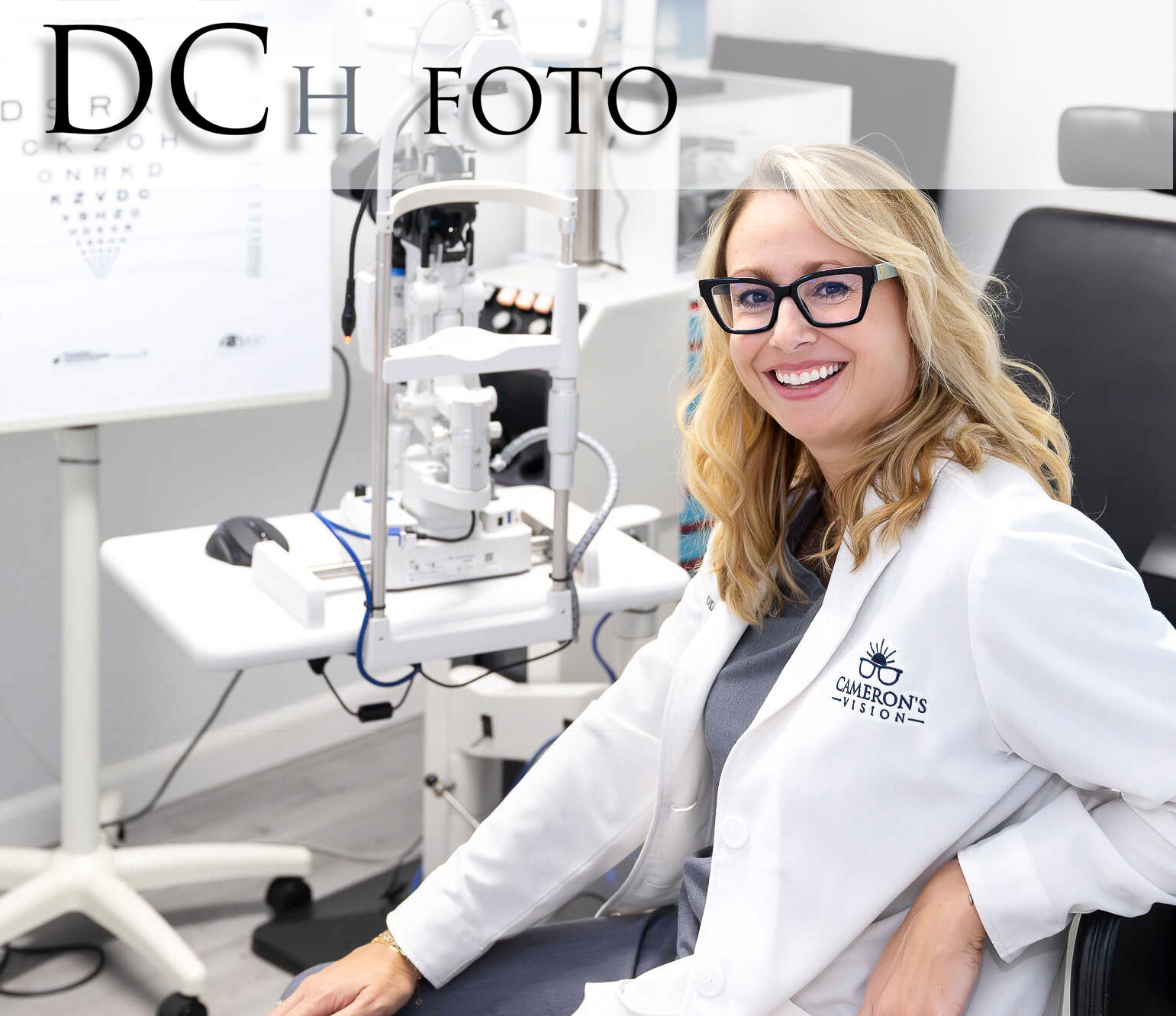
Need to hire a healthcare conference photographer in Washington, DC? Start with a company that already understands the visual demands of medical meetings, pharmaceutical events, medtech exhibits, product demonstrations, clinical education, professional portraits, and sensitive working environments. DChFOTO combines an established healthcare and pharmaceutical portfolio with more than two decades of corporate event photography experience.
A medical conference is not simply a standard business event with different signage. It may bring together clinicians, researchers, association leaders, exhibitors, sponsors, executives, communications teams, and attendees who all need different images from the same schedule. The photographer has to make technical work understandable, show real engagement, protect the flow of education, and follow the access and approval rules defined by the client.
That is the reason to hire DChFOTO. The company is based in Washington, DC, works locally and nationwide, and can build healthcare conference photography around the way the final images will be used: marketing, PR, sponsor reporting, sales, recruiting, executive communications, investor relations, internal updates, and future event promotion. The DChFOTO healthcare and pharmaceutical photography portfolio shows the range behind that promise.
Why Healthcare Experience Changes the Assignment
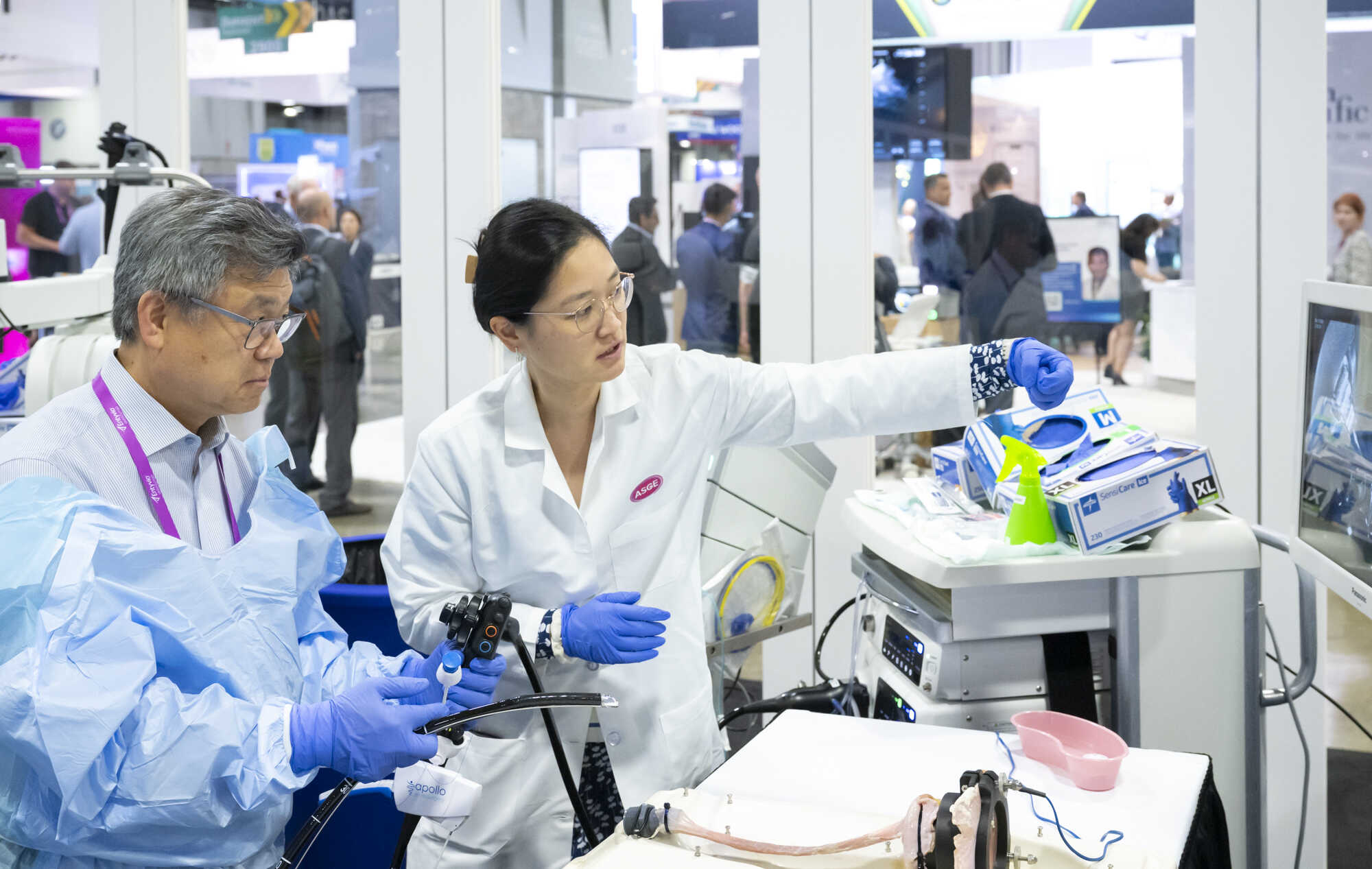
A capable corporate event photographer should already know how to cover a keynote, panel, audience, reception, trade show floor, and executive appearance. A healthcare assignment adds another layer: device demonstrations, technical exhibits, training environments, protective equipment, clinical-adjacent spaces, and details that may mean little unless they are photographed in useful context.
DChFOTO's healthcare experience changes the questions asked before the event. Which products must be visible? When are the most important demonstrations? Which sponsor booths need proof of engagement? Are there restricted areas or subjects? Who can approve access? Does the communications team need speaker images, wide room views, leadership portraits, social highlights, or a complete library for several departments?
The advantage is not that a photographer should interpret medicine or make clinical claims. The advantage is knowing how to turn a specialized agenda into a practical visual plan. DChFOTO can concentrate on the people, technology, instruction, atmosphere, and brand story while the client remains in control of terminology, access, privacy, and approvals.
Medical Conferences Need More Than Podium Photos
Podium coverage matters, but a gallery built only around speakers leaves most of the conference undocumented. A useful medical event story includes registration, signage, wide views that establish scale, keynotes, panels, audience reactions, continuing-education moments, sponsor presence, exhibit activity, networking, VIP interactions, receptions, and the details that identify the organization behind the program.
Healthcare conferences also tend to serve several audiences at once. An association may need member-engagement images. A sponsor may need clear proof of visibility. A speaker may need a polished image for media use. An exhibitor may need photographs of qualified conversations. The internal communications team may need leadership and culture, while the event team needs images that help promote next year's meeting.
DChFOTO approaches event photography as a coverage system, not a collection of isolated snapshots. Priorities can be mapped to the run of show, floor plan, sponsor list, and delivery schedule before the doors open. If sessions and exhibits overlap, the staffing conversation can happen early, when there is still time to protect the moments that matter most.
Product Demonstrations Must Make Sense in the Frame
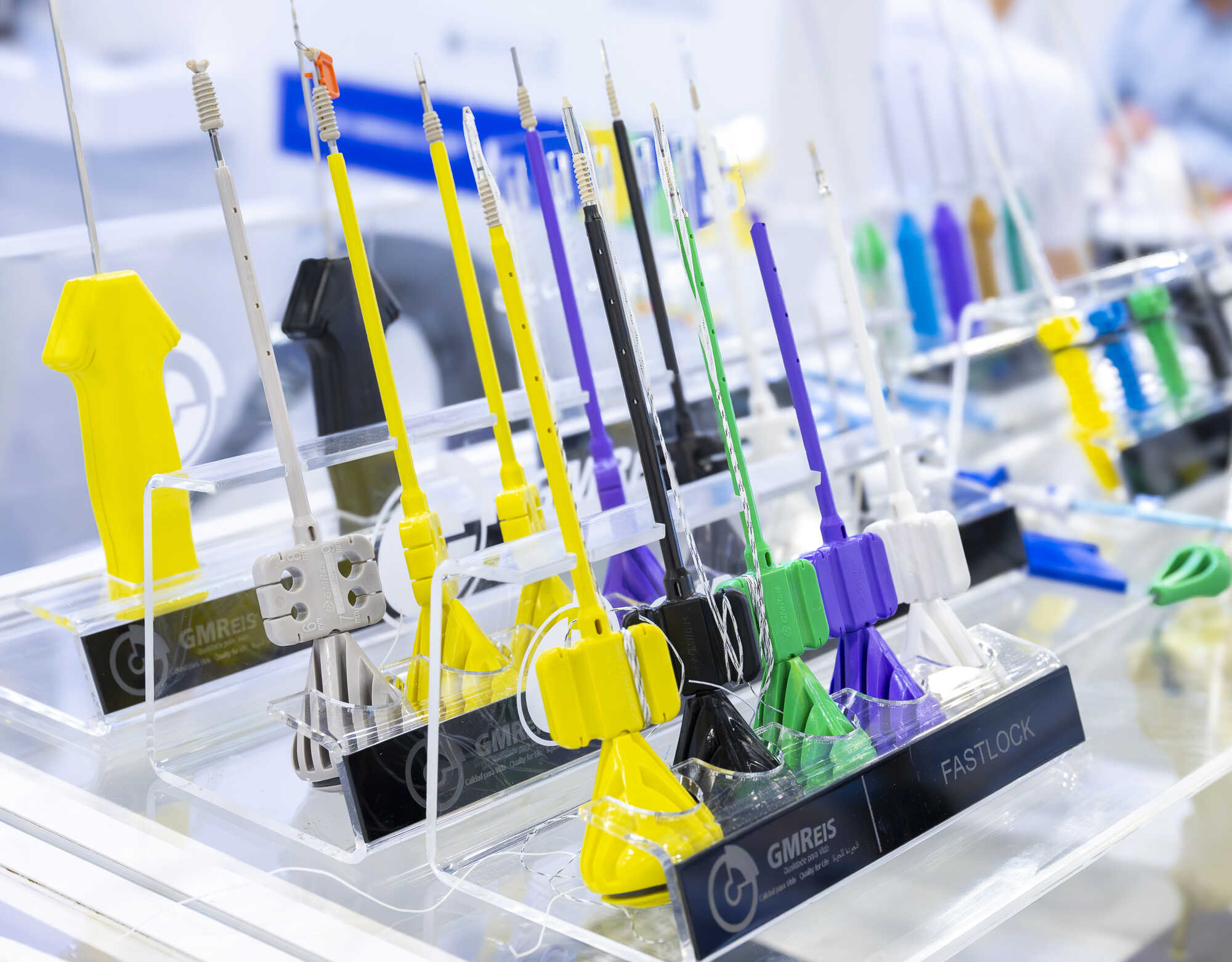
Medical device and medtech exhibits present a specific visual challenge. A clean close-up can show design, but it may not explain why the product attracted attention. A crowded booth image can show traffic, but it may hide the device and branding. The strongest frame often connects the important elements: the product, the representative, the attendee, visible brand context, and a real moment of explanation or discovery.
An experienced medical event photographer watches how the demonstration develops. There may be a preparation moment, a clear view of the equipment, a presenter explaining a feature, an attendee interacting with it, and a reaction that shows interest. Capturing that sequence gives marketing and sales teams choices instead of forcing one image to do every job.
DChFOTO can plan coverage around demo times, booth numbers, priority products, and sponsor obligations. That makes the final gallery more useful for conference recaps, follow-up emails, sales presentations, landing pages, newsletters, social campaigns, and future exhibit promotion. The images show what happened without making unsupported claims about what a device does.
Technical Details Strengthen the Image Library
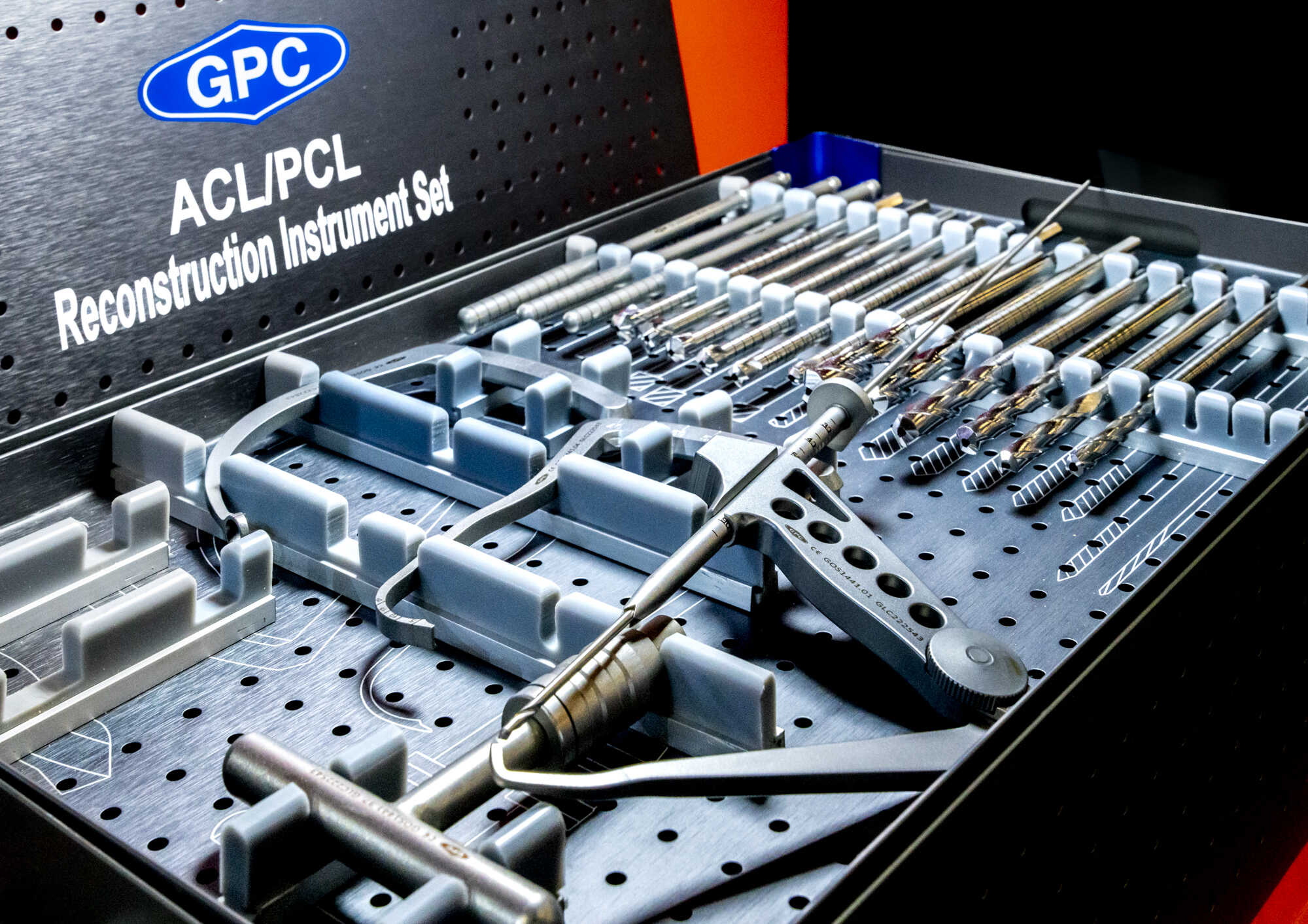
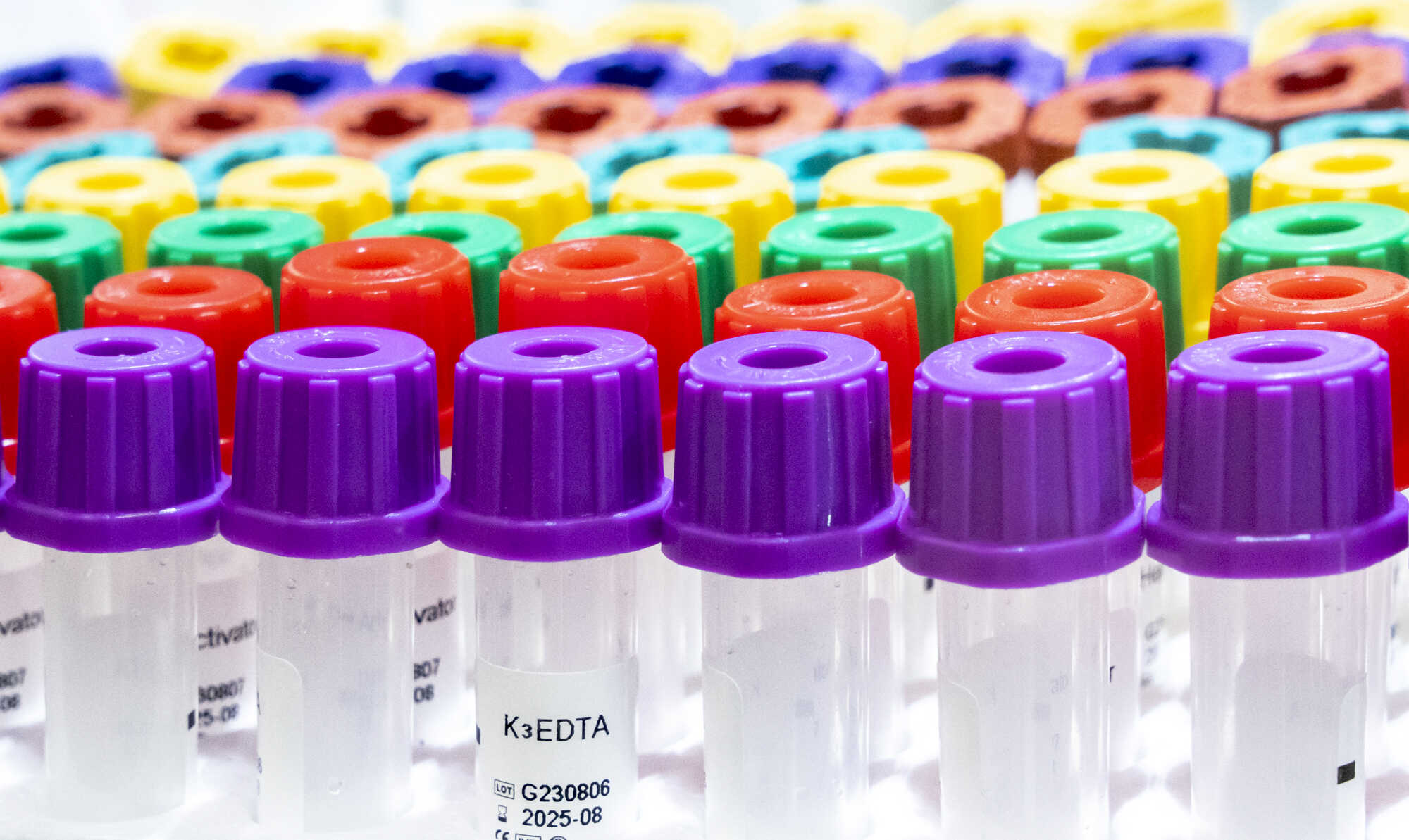
People and interaction carry the story, but technical details give it specificity. Instruments, product displays, laboratory materials, packaging, screens, signage, branded workstations, and carefully arranged equipment can help a communications team build a richer visual narrative around innovation and expertise.
These details also solve practical design needs. A website banner may need open space for text. A presentation may need a close crop that reads clearly on one slide. A newsletter may need color and texture between speaker portraits. A product-launch recap may need a recognizable detail that connects the event to the technology. Photographing with these uses in mind expands the value of the assignment.
Accuracy still matters. DChFOTO photographs what is present and works from the client-approved brief; the client supplies the correct product names, terminology, messaging, and restrictions. This keeps the visual work strong without asking the photographer to infer a procedure, therapeutic claim, or technical specification from appearance alone.

Event Photojournalism Keeps the Story Credible and Human
Healthcare communications need credibility, but they also need people. A conference becomes more persuasive when the gallery shows attention, curiosity, concentration, collaboration, and professional connection. Event photojournalism is well suited to that task because it documents genuine interactions as they happen instead of turning every moment into a staged photo.
DChFOTO's photojournalistic approach is especially valuable during panels, networking, consultations, training, and demonstrations. The photographer can work quietly, anticipate moments, and change position without becoming the center of the room. That discretion helps subjects stay engaged with the event rather than the camera.
Formal photographs still have a place. Leadership groups, award presentations, sponsor teams, and speaker portraits may need direction. The skill is knowing when to direct and when to observe. A balanced gallery combines polished formal assets with natural photographs that make the organization feel active, approachable, and real.

Sensitive Settings Need a Clear Access and Approval Plan
Some healthcare and pharmaceutical assignments include controlled access, patient-adjacent areas, internal business activity, product information, laboratories, training rooms, or clinical environments. Photography in these settings should begin with boundaries, not assumptions.
Before the assignment, the client should identify what can be photographed, which people or areas are off limits, where protective equipment is required, who provides access, whether releases or internal approvals are needed, and how images will be reviewed before public use. The brief should also name the on-site contact who can answer a question when the schedule changes.
DChFOTO can coordinate carefully around those client-defined access, privacy, safety, timing, and approval requirements. That is a planning commitment, not a blanket legal or regulatory claim. Clear rules allow the photographer to work efficiently inside the approved scope, minimize disruption, and avoid creating images the organization cannot use.
Clinical Training Requires Quiet, Anticipatory Coverage
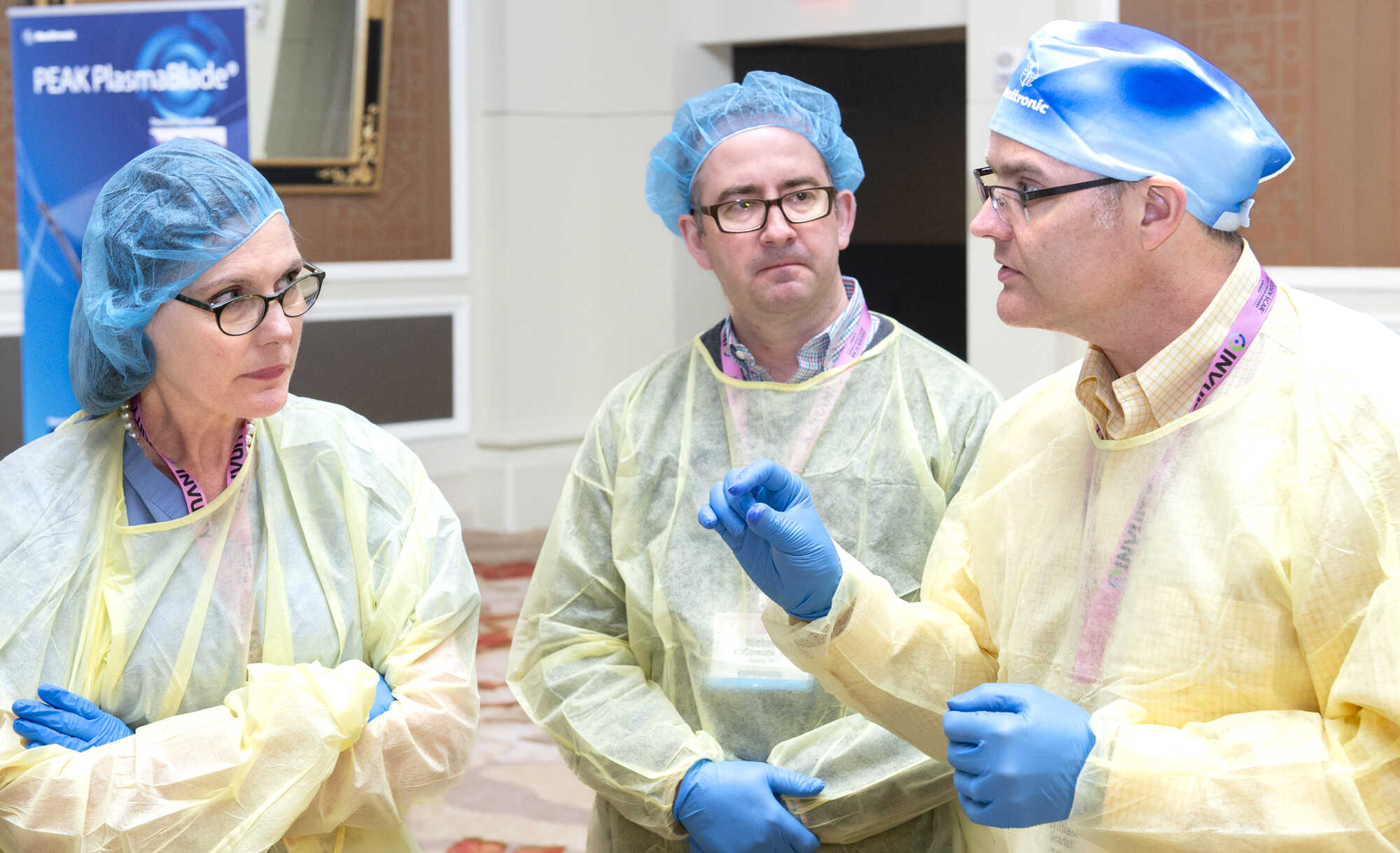
Clinical education and hands-on training create some of the most valuable images at a medical meeting. They show expertise being shared, products being used in context, professionals concentrating on the task, and attendees learning from one another. They can also be difficult to photograph because sightlines are limited and the teaching moment cannot pause for the camera.
A prepared event photographer studies the session flow, confirms safe working positions, and anticipates the sequence: instruction, setup, close attention, hands-on activity, discussion, and reaction. The photographer needs enough visual variety to explain the session while staying out of the way of instructors and participants.
This is where DChFOTO's combination of event experience and healthcare-specific work becomes practical. The goal is not to direct the education. It is to recognize the moments that communicate expertise and participation, capture them cleanly, and leave the session's rhythm intact.
One Assignment Can Serve Marketing, Sponsors, and Leadership
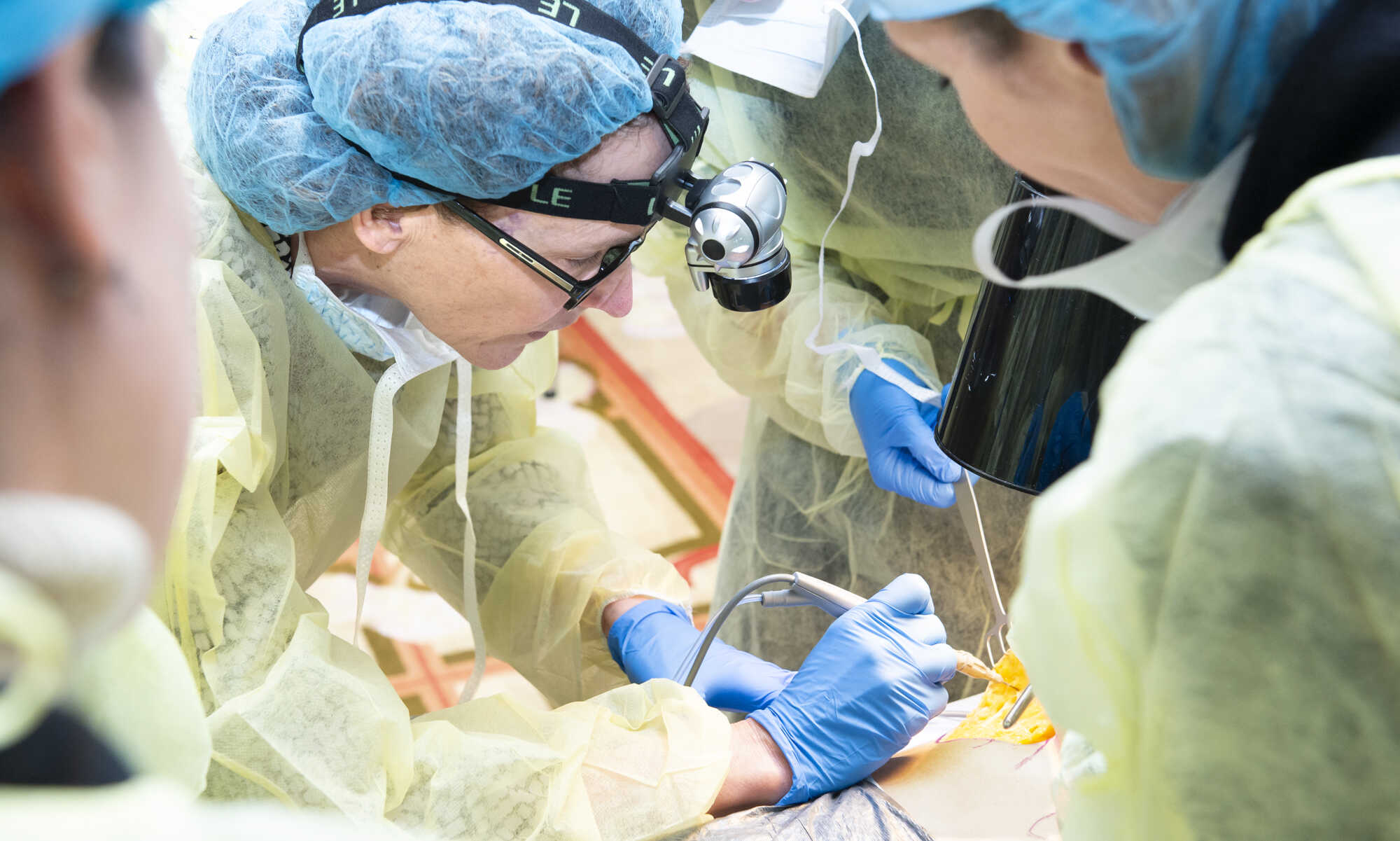
The most valuable healthcare conference gallery is planned as a shared business asset. Marketing may need campaign images and website banners. PR may need speakers and executives. Sponsor relations may need booths, signage, activations, and engagement. Sales may need product demonstrations. Recruiting may need authentic culture and team interaction. Leadership may need visual proof of the organization's reach and relevance.
Planning those uses before the conference helps DChFOTO create deliberate variety: horizontal and vertical compositions, wide and close views, people and details, branded and neutral options, formal portraits and candid interactions. It also helps the final files arrive in an order that makes sense to the people who will use them.
This is why professional event photography is an investment, not an expense. The event may last a day or a week, but a well-built image library can support communications for months or years. In healthcare and pharmaceutical markets, where a major meeting or demonstration may be costly and difficult to recreate, that continuing value is especially important.
Post-Production and Fast Highlights Complete the Assignment
Capture is only the beginning. Medical conferences can combine bright exhibit lighting, dark stages, projection screens, hotel ballrooms, white coats, reflective devices, saturated brand displays, and mixed-color interiors. Professional post-production brings those different scenes into one coherent gallery.
DChFOTO's workflow includes the work that makes images ready for business use: selection, exposure balancing, color correction, crop decisions, straightening, sharpening, appropriate retouching, export preparation, organization, and high-resolution digital delivery. Web-ready versions, sponsor-specific sets, portrait selections, or other file groupings can be discussed before the assignment.
Fast highlights can be equally important when a communications team is publishing while the event is still current. If same-day or next-day images are needed for PR, LinkedIn, sponsor updates, speaker promotion, or executive communications, that request should be scoped in advance. Rush highlights and a complete edited gallery are different deliverables, and planning both prevents speed from undermining consistency.
How to Hire DChFOTO for a Healthcare Conference
When you are ready to hire a medical conference photographer, the most useful first message is specific. It does not need to solve every production detail, but it should give DChFOTO enough information to recommend coverage rather than quote an undefined block of time.
Include:
- the event date, city, venue, and estimated attendance;
- the agenda, room list, floor plan, and any overlapping sessions;
- priority speakers, executives, sponsors, booths, products, and demonstrations;
- access, credentialing, privacy, PPE, safety, and approval requirements defined by your organization;
- the images each department or stakeholder needs;
- portrait, headshot, facility, or office photography that should be added to the event schedule;
- the deadline for rush highlights and the complete edited gallery;
- preferred file organization, web-ready exports, and high-resolution delivery needs.
For a broader hiring framework, read Hire DChFOTO: Hire Conference Photographer in Washington DC. You can also review the DChFOTO event photography portfolio and learn about the company's experience and nationwide availability on the About DChFOTO page.
If your team needs to hire a healthcare conference photographer in Washington, DC, contact DChFOTO with the schedule, priorities, access rules, stakeholders, and delivery deadline. You will get a conversation about the real assignment: how to document the medicine, technology, people, and business value of the event in a polished gallery your organization can keep using.