
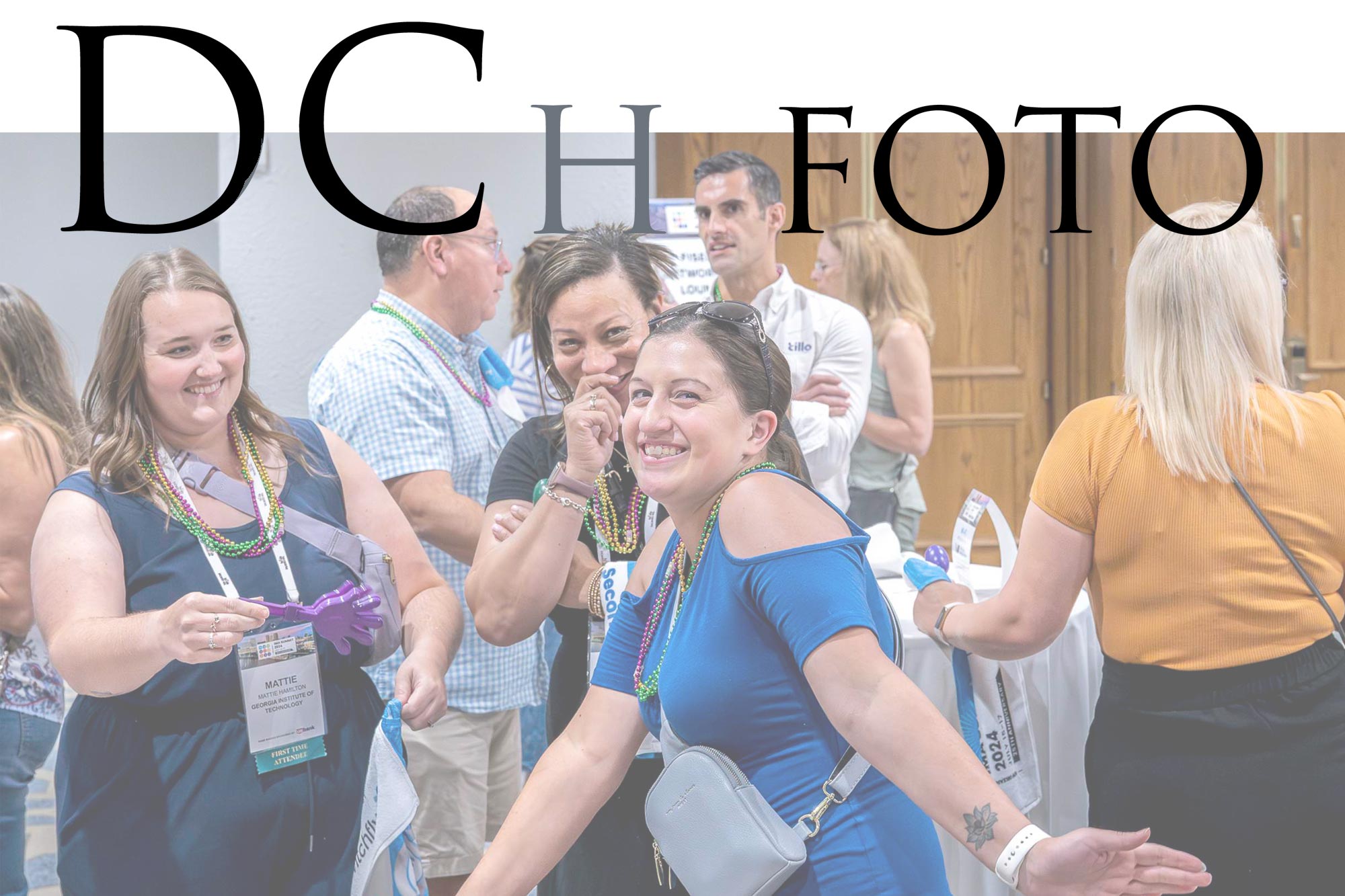
Choosing a photographer for a corporate event is not just a portfolio decision. A strong portfolio matters, but the real question is whether the photographer can cover the room, protect the schedule, deliver useful event photos, and make the whole process easier for the event team.

Start With The Job, Not Only The Portfolio
A portfolio is still one of the most important parts of choosing a photographer. Strong portfolio images show taste, consistency, timing, and the ability to anticipate emotion before it fully appears. In corporate event photography, you can often see whether a photographer understands the instant before a handshake, the reaction after a speech, or the quiet moment that gives an event its human texture.
At the same time, corporate event photography has a different job than a portrait session, a wedding, or a lifestyle shoot. The photographer also has to understand the agenda, the stakeholders, the brand, the deadline, and the moments that matter to communications, marketing, sponsors, executives, and attendees.
That is why the first filter should be practical: can this event photographer document a conference, association meeting, non-profit gala, trade show, product launch, award ceremony, business reception, or team-building event without needing the event to slow down for the camera?
The right Corporate event photographer usually has both: a portfolio that proves they can see the moment, and a process that fits the pressure of a live business event.
Check Whether The Photographer Can Cover The Whole Event
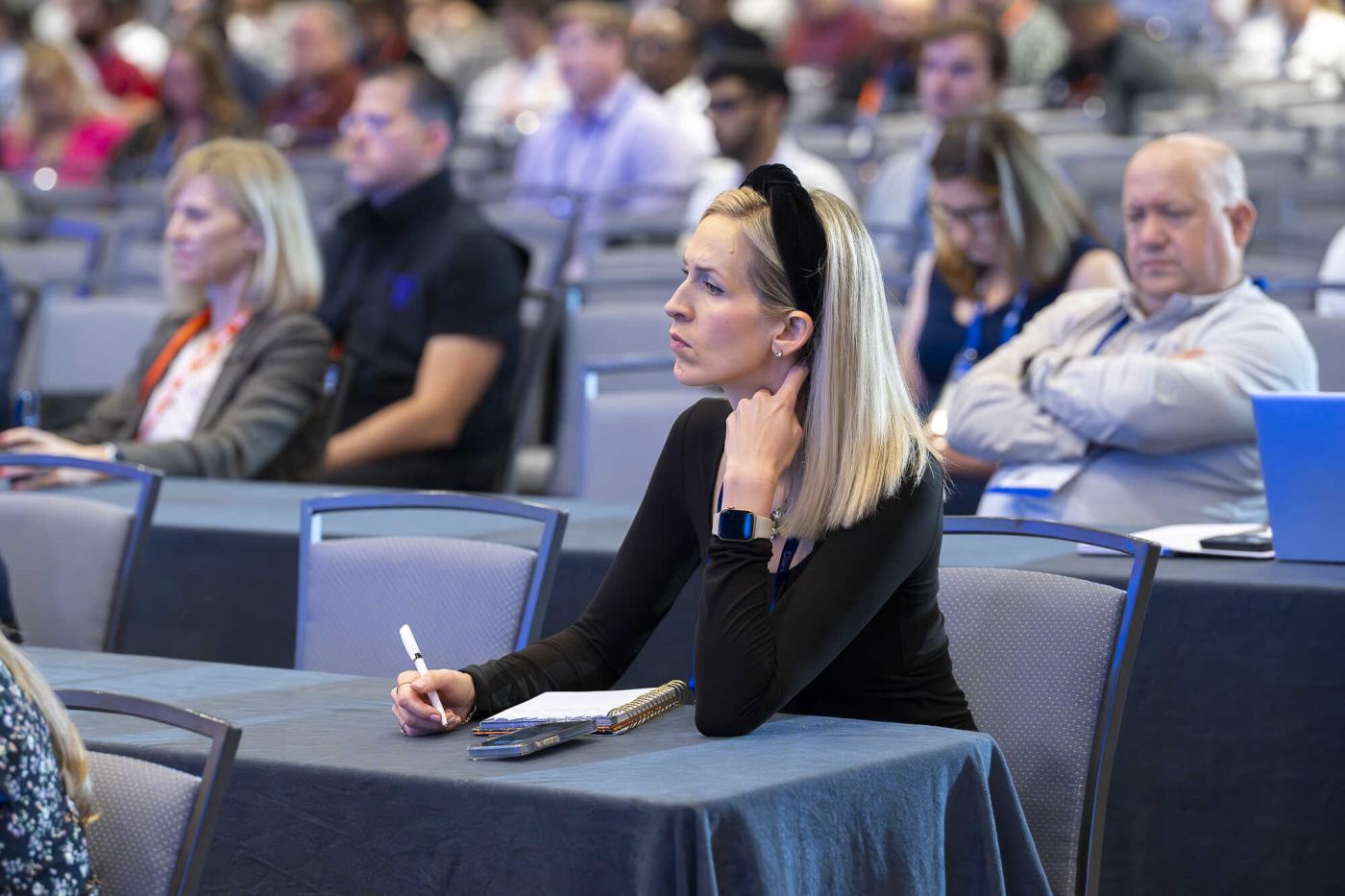
Start by matching the photographer's experience to the shape of your event. A one-room executive breakfast, a multi-track conference, and a gala with a step-and-repeat, sponsor activations, speeches, and donor interactions are not the same production problem.
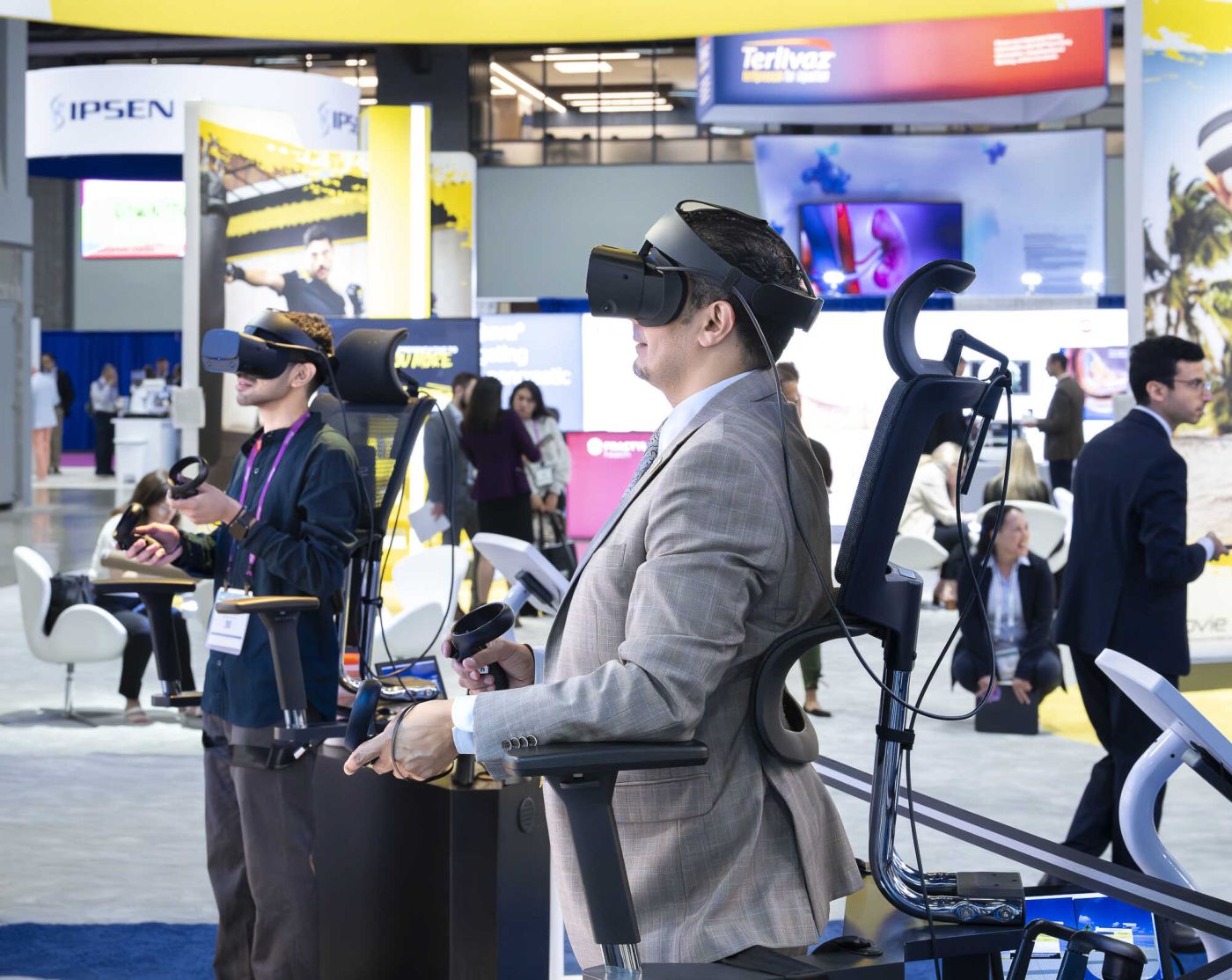
Use the actual scope of the event as your checklist: corporate programs, association meetings, non-profit events, convention centers, corporate retreats, product launches, award ceremonies, fundraising galas, trade shows, team-building events, and nationwide assignments all require different planning. If a photographer says yes to your event, ask how they would cover the actual run of show.
For event managers, this is where a vague promise becomes a concrete plan. Who covers arrivals while the keynote is being prepared? Who captures sponsor signage, audience reactions, VIP handshakes, stage moments, candid networking, and room details? If the answer is not clear, the coverage may not be complete.
Ask How Complete The Coverage Will Be
One useful coverage standard is simple: do not artificially limit the story. For a corporate client, broad coverage should not mean an unedited dump of every frame. It should mean the photographer is free to capture the full range of moments and then deliver a curated, high-quality gallery.
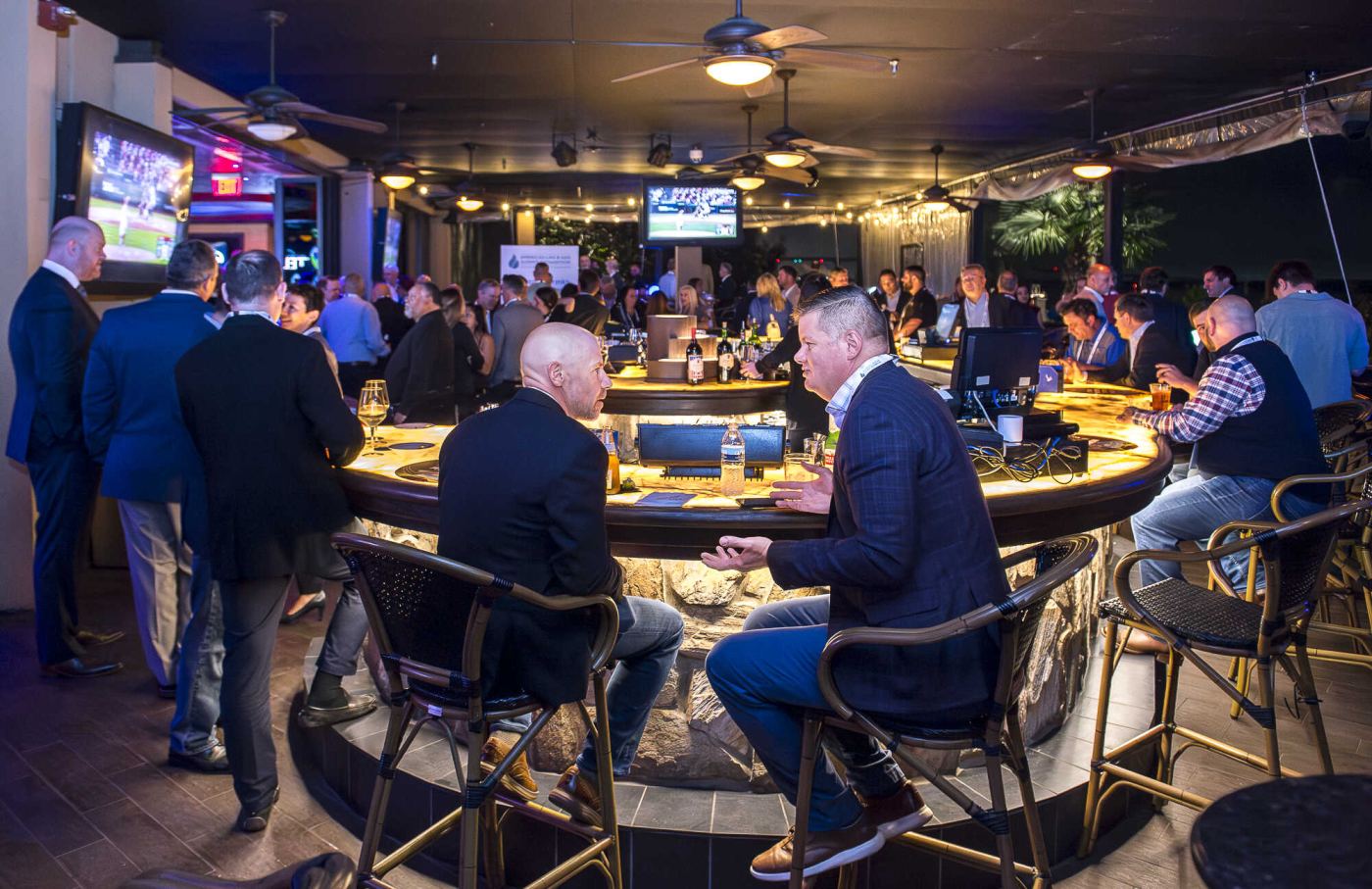
Ask how the photographer thinks about coverage depth. Will they capture only the official moments, or will they also look for the side conversations, audience engagement, environmental details, sponsor visibility, signage, hospitality, and the small human reactions that make the final gallery valuable?
Good Event photography gives your team more than a record that the event happened. It gives you assets for press releases, internal communications, social media, newsletters, sponsor recaps, annual reports, recruiting, and future event promotion.
Confirm Turnaround Before The Event
Delivery speed should be discussed before the contract is signed. A standard final gallery in 7-15 business days may work for many events. A leadership announcement, product launch, conference recap, or media-facing program may need next-day highlights or an even faster rush workflow.
Ask three separate questions. When will the full gallery be delivered? Can selected highlights be delivered the next day, or within a defined rush window? If you need priority next-day full-gallery delivery, is that available, what does it cost, and when must it be requested?
This is especially important when event photos support a communications calendar. A beautiful gallery that arrives after the campaign window closes is less useful than a clear delivery plan that supports the business goal.

Look Closely At Editing And Delivery
Editing is part of the service, not an afterthought. A corporate client should ask about professional color correction, retouching, and whether the final gallery will feel cohesive and polished from start to finish.
Ask whether the photographer color-corrects the full delivered gallery, how retouching is handled, whether the look will stay consistent across multiple rooms and lighting conditions, and whether the files will be prepared for practical business use. Corporate teams often need high-resolution files for print and web-ready versions for digital channels.
Delivery matters too. A clean online gallery through Dropbox, Google Drive, or the client's preferred platform can save hours for an event manager. The best workflow is the one your team can actually use without chasing links, missing permissions, or unclear file names.

Look For Event Photojournalism, Not Interruption
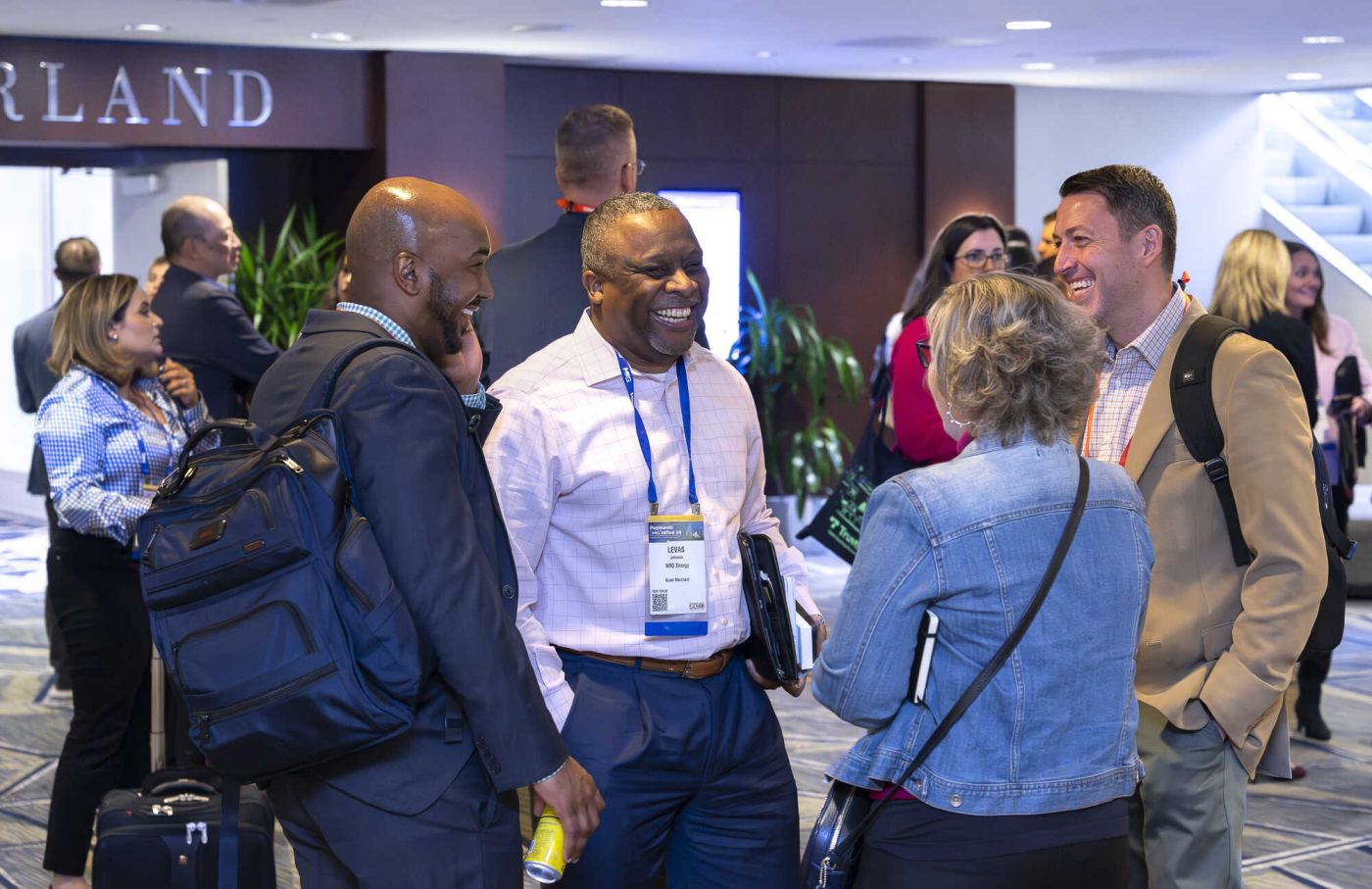
Event photojournalism is one of the strongest signs that a photographer understands corporate coverage. The goal is not to interrupt the event for staged images all day. The goal is to preserve the energy of the room while still making sure the essential people, moments, and brand details are captured.
Photojournalism in this context means noticing the glance before a handshake, the reaction in the audience, the speaker's gesture, the award recipient's expression, and the unscripted conversation that tells the story of the day. It also means knowing when a posed group photo is needed and getting it done quickly.
Look for a photographer who can blend into the scene, connect with guests when needed, and draw out both posed and unscripted moments. A good corporate event photographer should be polished, warm, efficient, and observant enough to document the atmosphere without becoming the center of it.
Match The Team To The Scale Of The Event
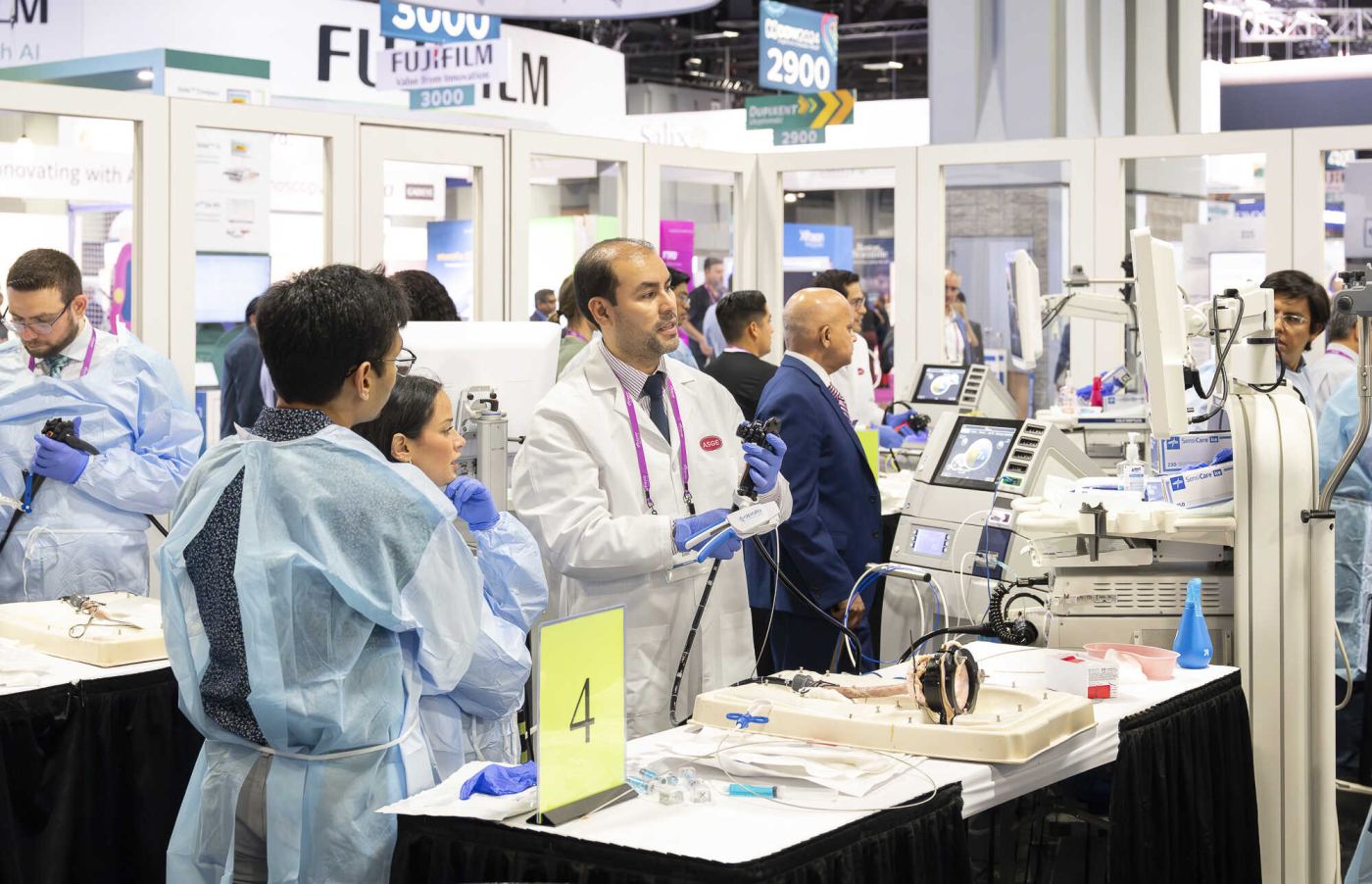
Some events need one experienced photographer. Others need a team. If your program has simultaneous breakout sessions, a VIP reception, a main-stage keynote, sponsor activations, and a step-and-repeat running at the same time, one person cannot be everywhere.
Ask whether the photographer can provide multi-photographer coverage when needed. Ask about on-site editing for rush delivery, lighting and stage setup guidance, creative consulting, and coordination with video coverage if your event requires it.
The point is not to buy every option. The point is to hire someone who can honestly tell you what the event requires, what is optional, and what would create unnecessary cost.

Make The Phone Call Before You Decide
Do not choose only by email. Always call personally and have a real conversation before you decide. In personal communication, it usually becomes clear very quickly whether the photographer is the right fit for your company, your guests, and your event style.
Use the call to test both professionalism and chemistry. Does the photographer ask about the agenda, VIPs, must-have moments, usage needs, delivery deadline, brand standards, lighting conditions, venue restrictions, and contact person on site? Do they explain their process clearly, without making the event feel more complicated than it needs to be?
During that conversation, ask directly what equipment they use. Ask about camera bodies, lenses, lighting, backup equipment, memory card workflow, battery backup, and file safety. Also ask what software they use for culling, color correction, retouching, export, and gallery delivery. You do not need to dictate the brand of camera or the exact editing app, but you do need to hear a confident, current, professional answer.
When It Makes Sense To Move Forward
If a photographer or company meets the practical standards of a complete corporate event photography service - complete coverage, flexible event experience, clear turnaround, next-day highlight options, professional editing, high-resolution delivery, photojournalistic storytelling, and scalable support - then it makes sense to call and talk personally.
That conversation is the final filter. If the photographer understands your event, explains the workflow, answers equipment and software questions clearly, and feels like someone who can move through the room with confidence and respect, you have a serious candidate.
Corporate event photography is ultimately about trust. You are trusting someone to preserve the public face of an important business moment. Choose the event photographer whose process, personality, and Event photojournalism approach make that trust feel earned.