
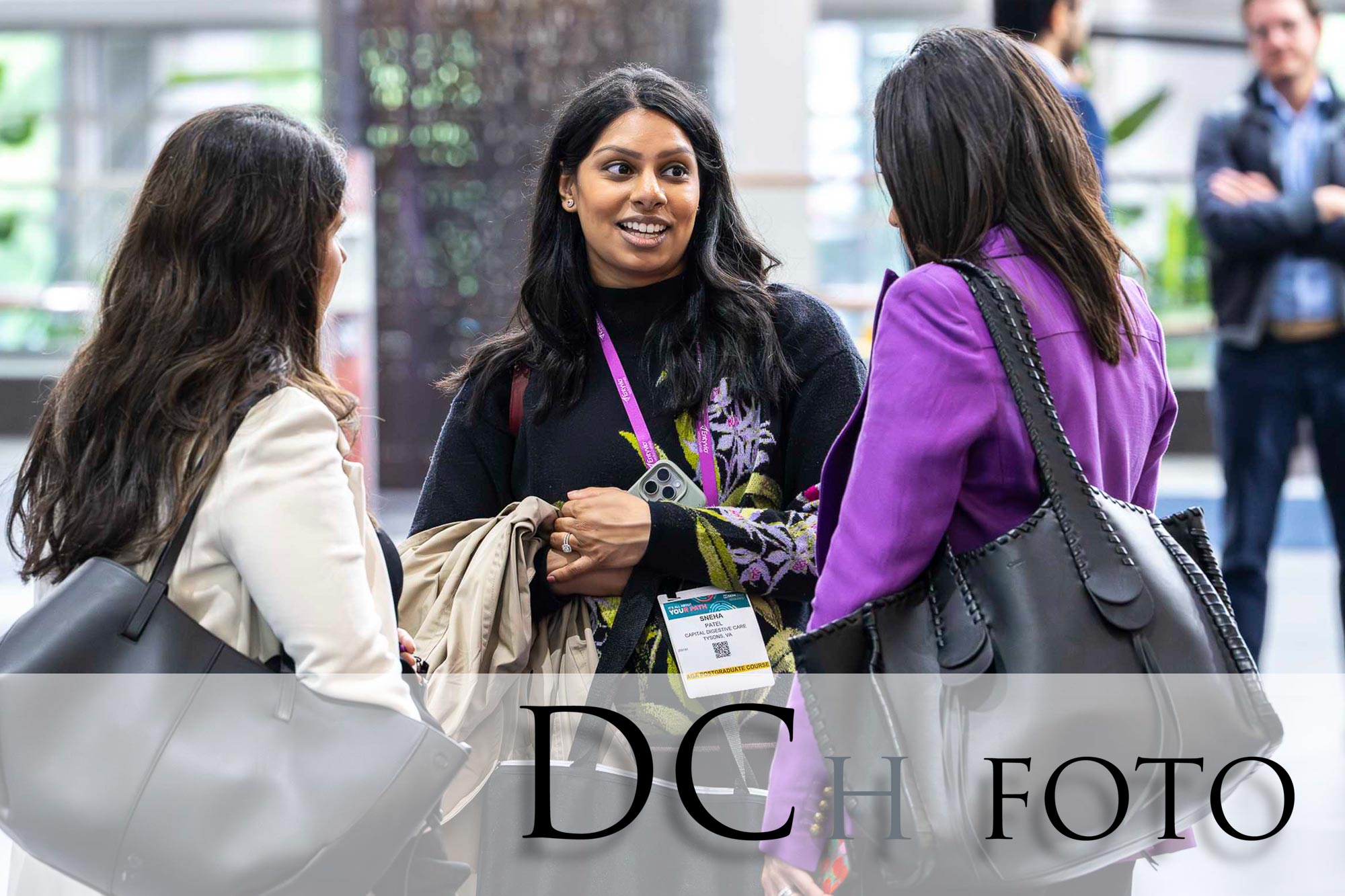
Choosing conference photography in Washington, DC is not only about finding a polished portfolio. For event managers, corporate event planners, marketing directors, communications teams, PR managers, executive assistants, office managers, procurement managers, and agency producers, the real question is whether the photographer can document the conference without slowing the agenda, distracting the room, or creating extra work after the event.
The right conference photographer in Washington DC gives your team strong images and a calmer production day. They understand the schedule, the stakeholders, the sponsor priorities, the communications deadline, and the comfort of the people in the room. That matters because conference photos are not just memories. They become press assets, social media posts, recap emails, sponsor reports, internal communications, website images, and proof that the event delivered what it promised.
Why Washington, DC Conference Photography Is Different
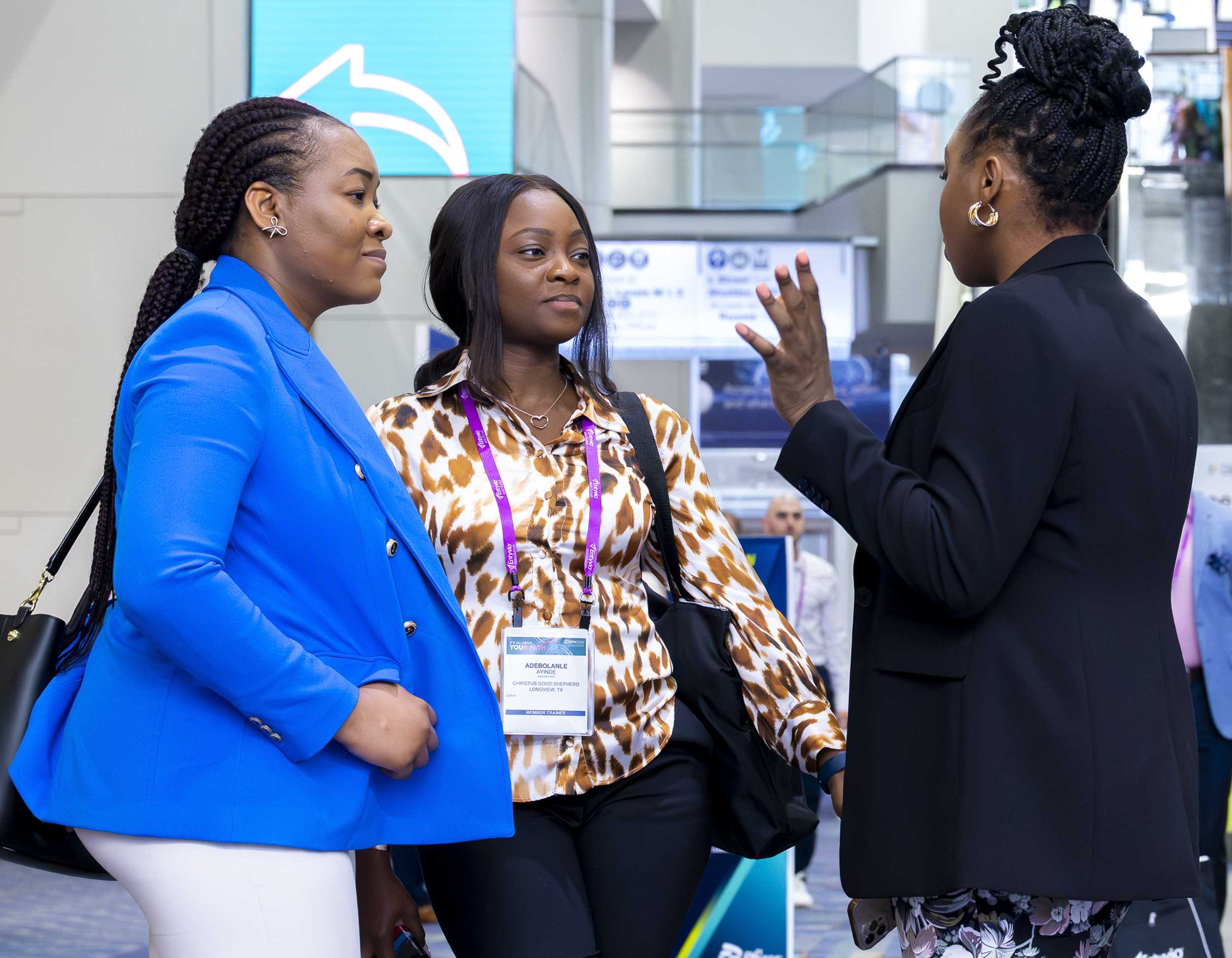
Washington, DC conference photography often sits at the intersection of corporate, association, non-profit, policy, medical, technology, finance, and executive communications work. The audience may include board members, sponsors, speakers, VIP guests, media contacts, member organizations, and internal leadership. A photographer who treats the assignment like a simple room full of people with badges may miss the point.
A corporate event photographer in Washington DC should know how to move through a professional room with restraint. They need to cover the main stage, panels, sponsor visibility, attendee engagement, networking, signage, hospitality, group photos, and quiet executive moments while keeping the program intact. The best coverage feels complete in the final gallery, but nearly invisible during the conference itself.

Start With The Portfolio, Then Test The Workflow
A strong portfolio still matters. Look for timing, clean composition, expressive reactions, flattering stage images, usable room-wide photos, and a consistent look across mixed lighting. In conference photography, you should be able to see whether the photographer understands the moment before a handshake, the reaction after a speaker lands a point, and the small human details that make a professional event feel alive.
Then move beyond the portfolio. Ask how the photographer would cover your actual agenda. A one-room leadership forum is different from a multi-track association conference, a sponsor-heavy trade show, or a corporate program with a keynote, breakout sessions, executive reception, step-and-repeat, and award segment. A business event photographer in Washington DC should be able to turn your run of show into a practical coverage plan.
Make Sure They Can Cover The Whole Run Of Show
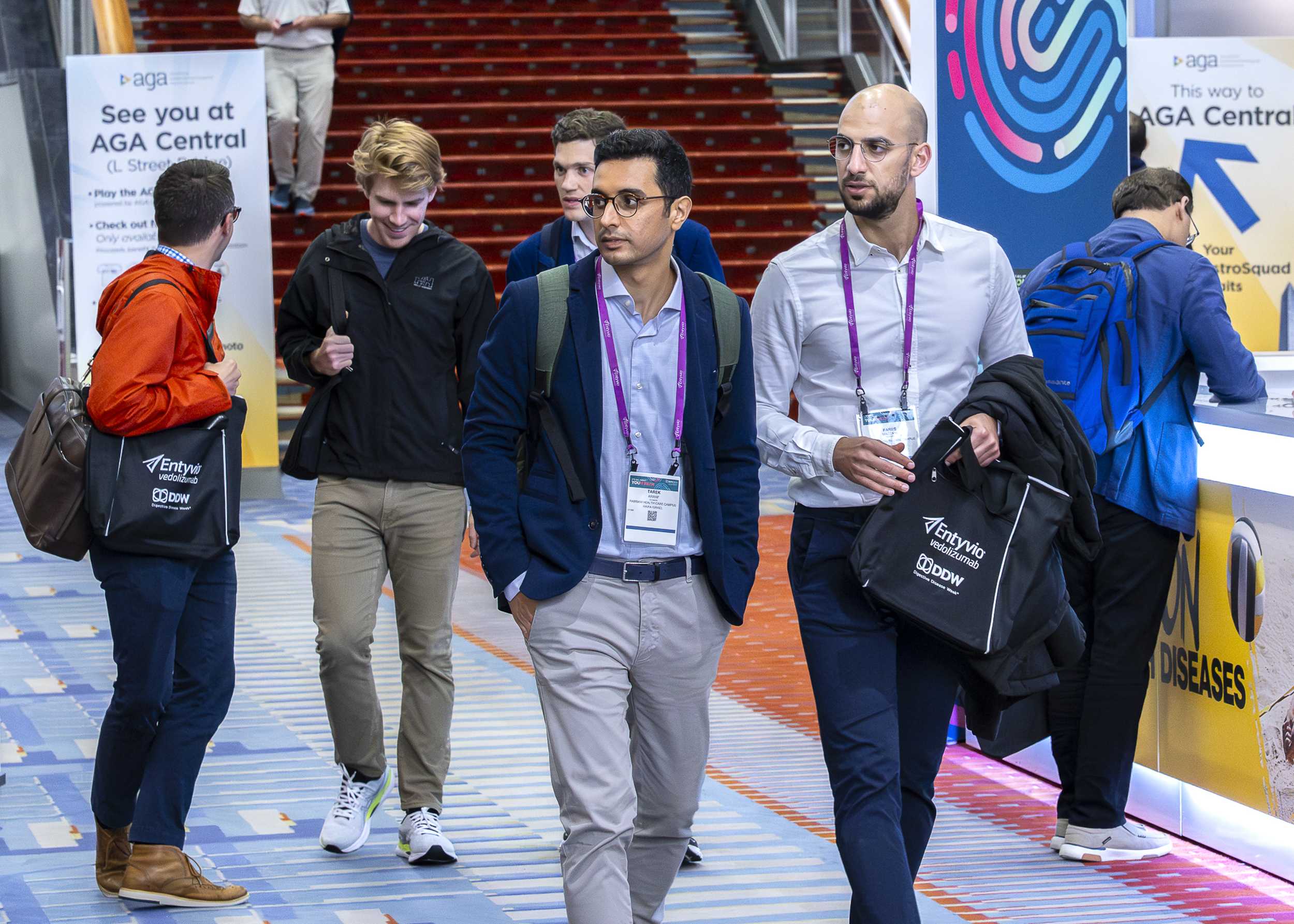
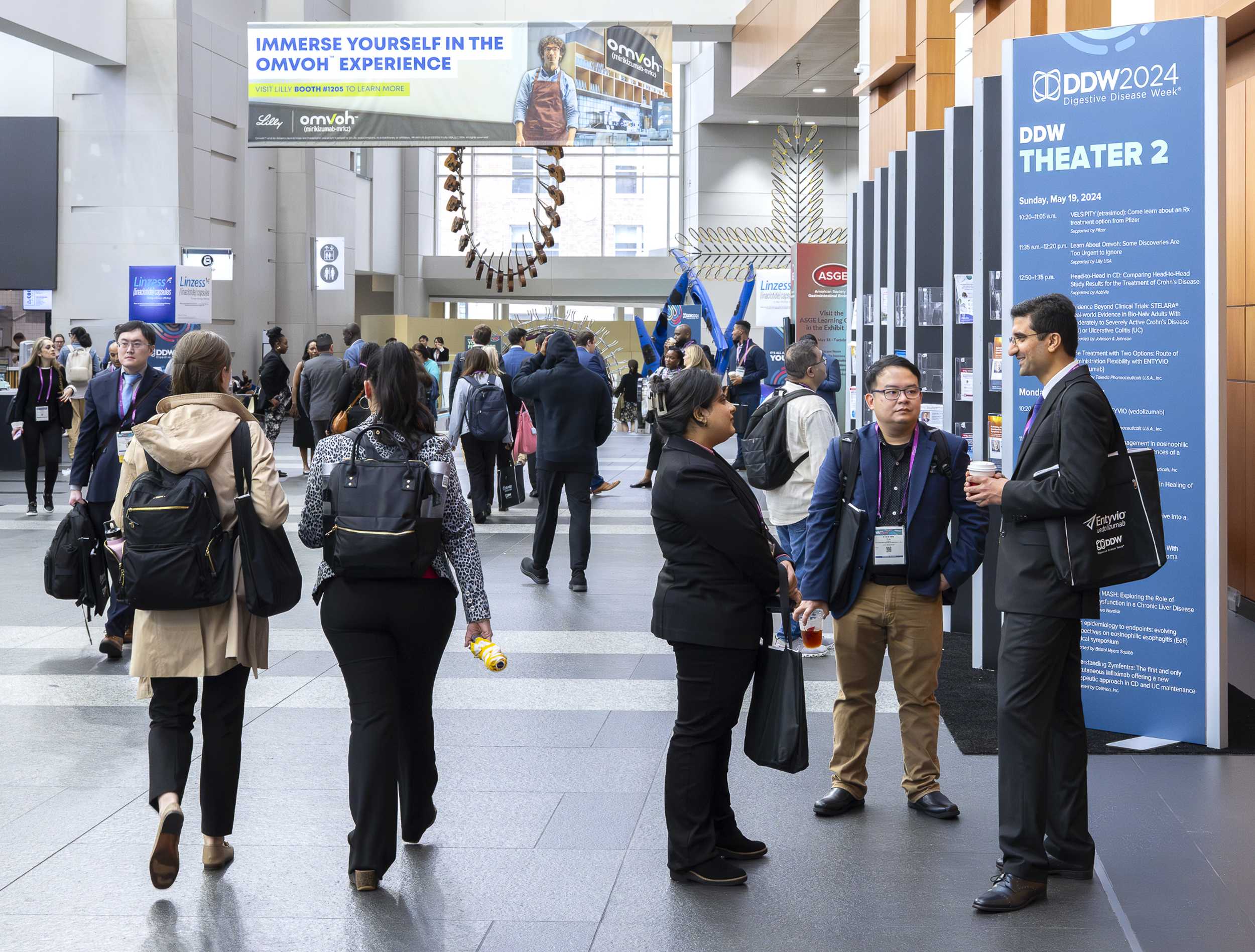
Good Event photography is not limited to the official stage moments. A useful conference gallery should show the full experience: arrivals, registration, branded signage, venue details, speaker portraits, keynote coverage, panel interaction, audience reactions, sponsor booths, candid networking, VIP handshakes, breakout sessions, reception energy, and any posed groups the event team needs.
Ask directly what the photographer will prioritize and what may require a second shooter. If the keynote, breakout sessions, sponsor activation, and VIP reception happen at the same time, one person cannot be everywhere. The strongest conference photography services in Washington DC will tell you honestly when one photographer is enough and when the schedule needs a team.
Also ask whether the photographer understands how the images will be used after the event. Marketing may need wide hero images. PR may need speaker and executive photos. Sponsors may expect evidence of booth traffic or logo visibility. Internal communications may need candid attendee images. A complete plan makes those needs visible before the conference begins.
Protect The Room, The Schedule, And The Guest Experience
Conference photography has a direct effect on the guest experience. A photographer who blocks sight lines, overuses flash, interrupts speakers, pulls VIPs away at the wrong time, or stages every interaction can make the conference feel less polished. The goal is to preserve the room, not take it over.
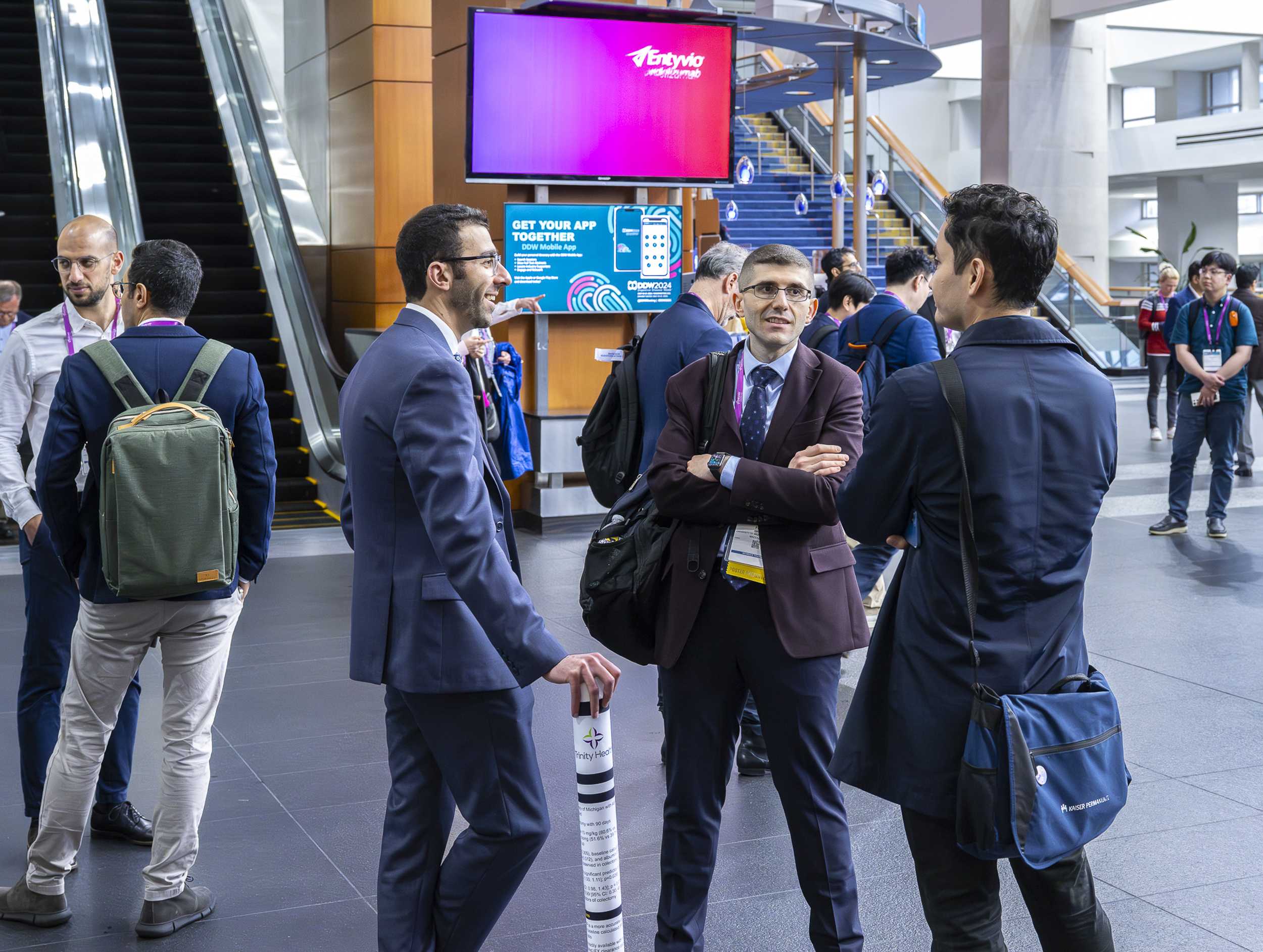
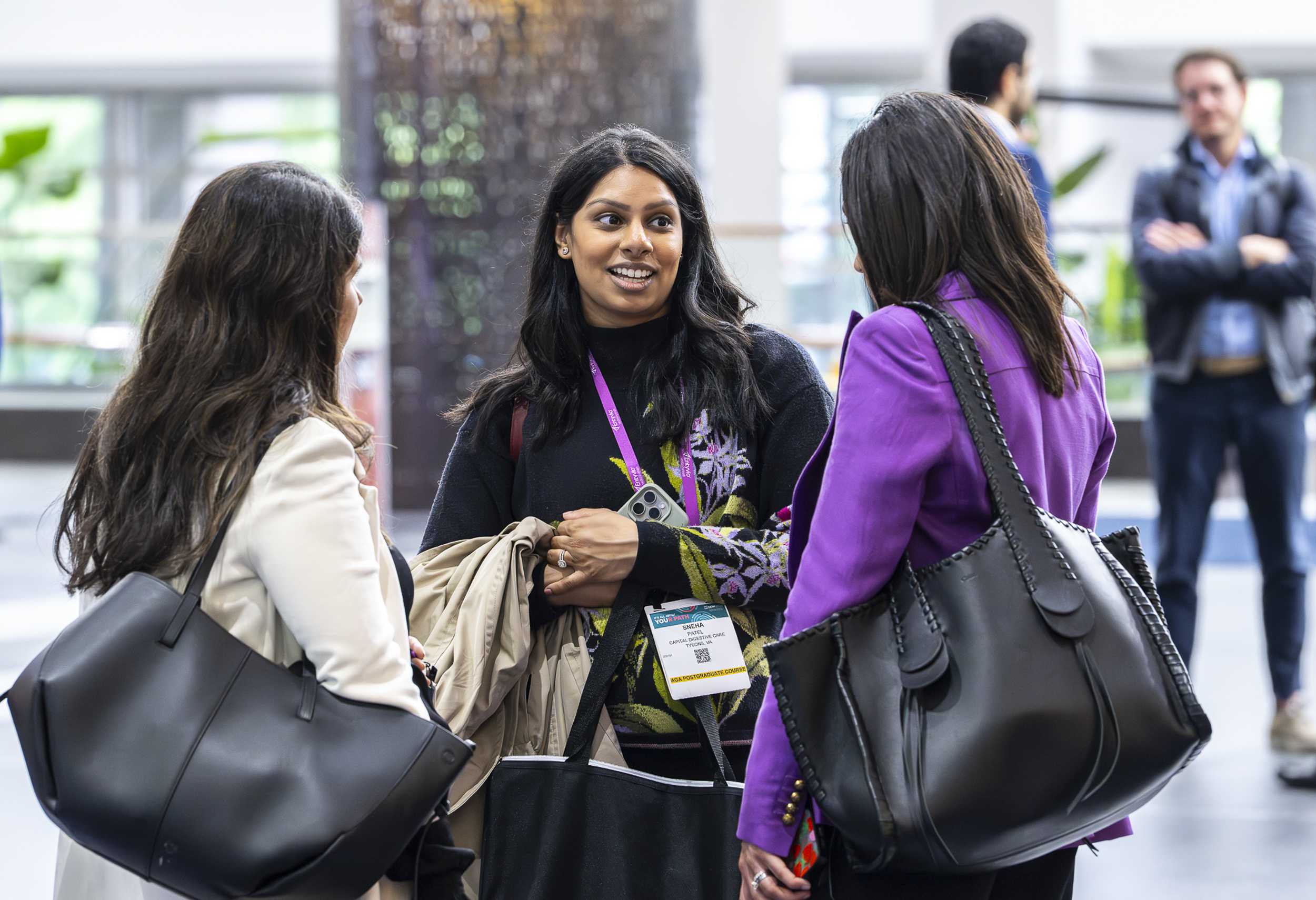
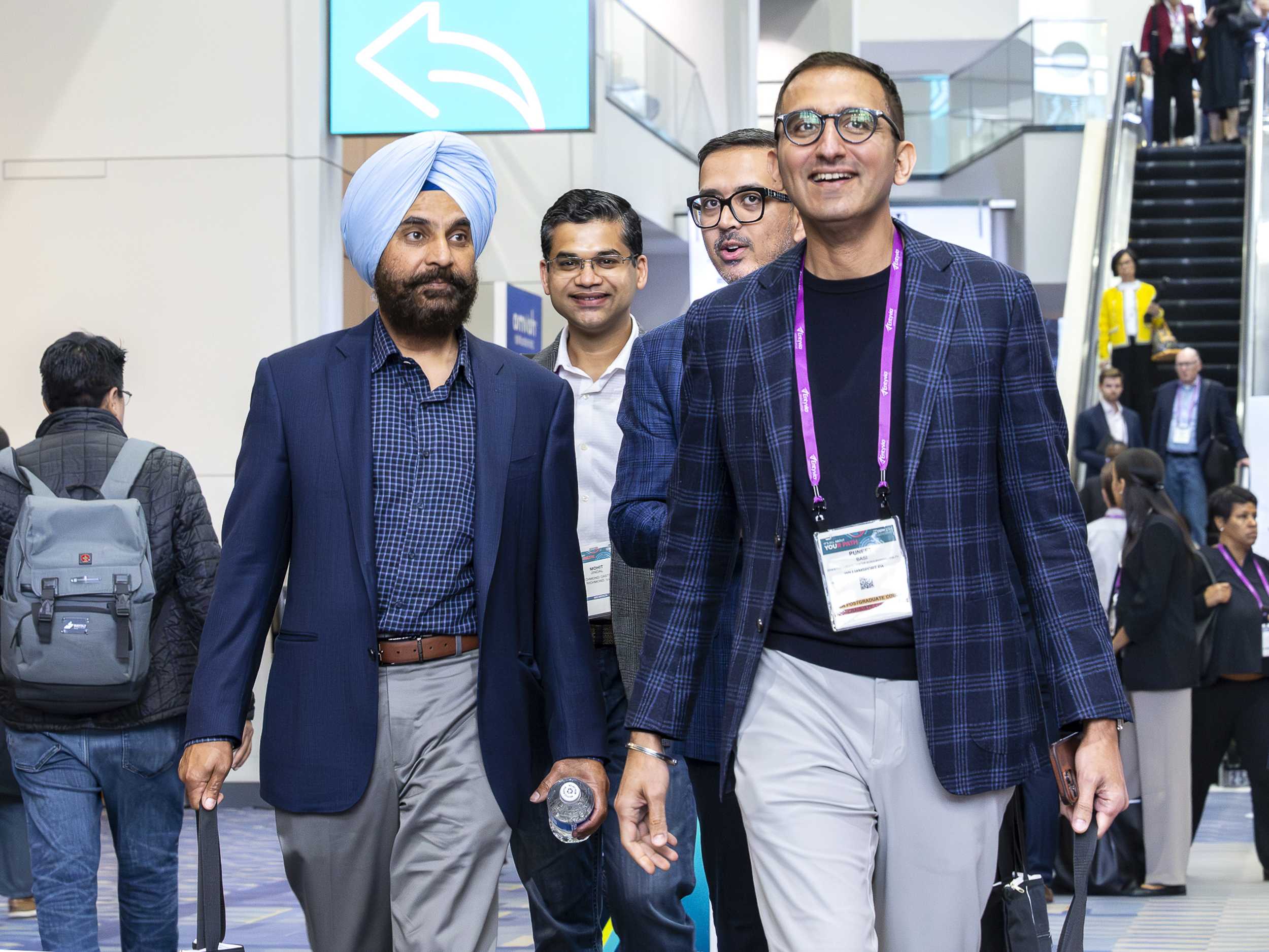
Event photojournalism is the best working style for most conferences. It means capturing the agenda as it unfolds: the speaker's gesture, the attendee taking notes, the side conversation in the hallway, the sponsor conversation, the reaction in the audience, and the handshake that happens between scheduled moments. It also means knowing when a posed image is necessary and getting it done quickly.
A professional event photographer in Washington DC should feel warm, efficient, and calm on site. They should know how to blend into the scene, connect with guests when needed, and document both polished posed moments and unscripted interactions without making participants self-conscious.
Confirm Delivery, Editing, And Software Workflow
Delivery speed should be discussed before you book. A standard final gallery in 7-15 business days may work for many conferences, but a press announcement, executive recap, sponsor report, or social media campaign may need next-day highlights or a defined rush workflow. Ask what is included, what costs extra, and when rush delivery must be requested.
Editing is part of the service. Ask whether the full delivered gallery is color corrected, how retouching is handled, whether images will look consistent across ballrooms and breakout rooms, and whether files are prepared for both web and print. Corporate event photography needs to support real business use, not just look good in a private proofing gallery.
During the conversation, also ask what software the photographer uses for culling, color correction, retouching, export, and gallery delivery. You do not need to choose the software for them, but you do need to hear a professional answer. The workflow should sound organized, current, and reliable enough for high-resolution digital delivery through Dropbox, Google Drive, an online gallery, or your preferred platform.
Ask About Camera Systems And Quiet Coverage
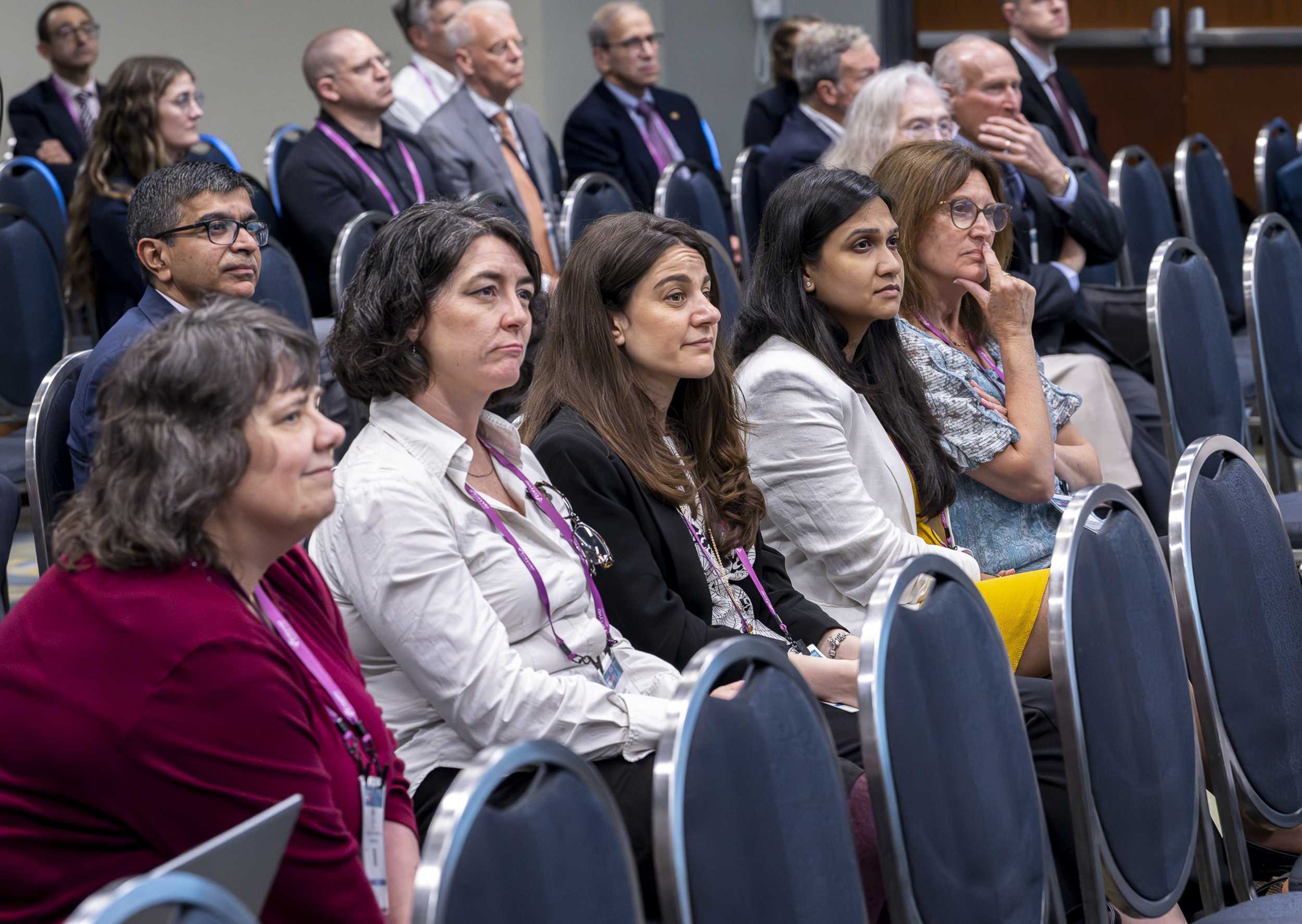
Ask what camera system the photographer uses, especially for keynote, panel, awards, and headline-speaker coverage. DSLR cameras can still create excellent files, but their mechanical shutter can be noticeable in quiet rooms. Modern mirrorless systems often give a conference photographer quieter electronic-shutter options, helping them capture reactions, applause, and stage moments without sending repeated shutter clicks through the room. The best answer is not just "I use mirrorless"; it is "I can work quietly, I test the lighting, and I know when silent, electronic first-curtain, or mechanical shutter is the right choice."
Match The Photographer Or Team To The Scale Of The Conference
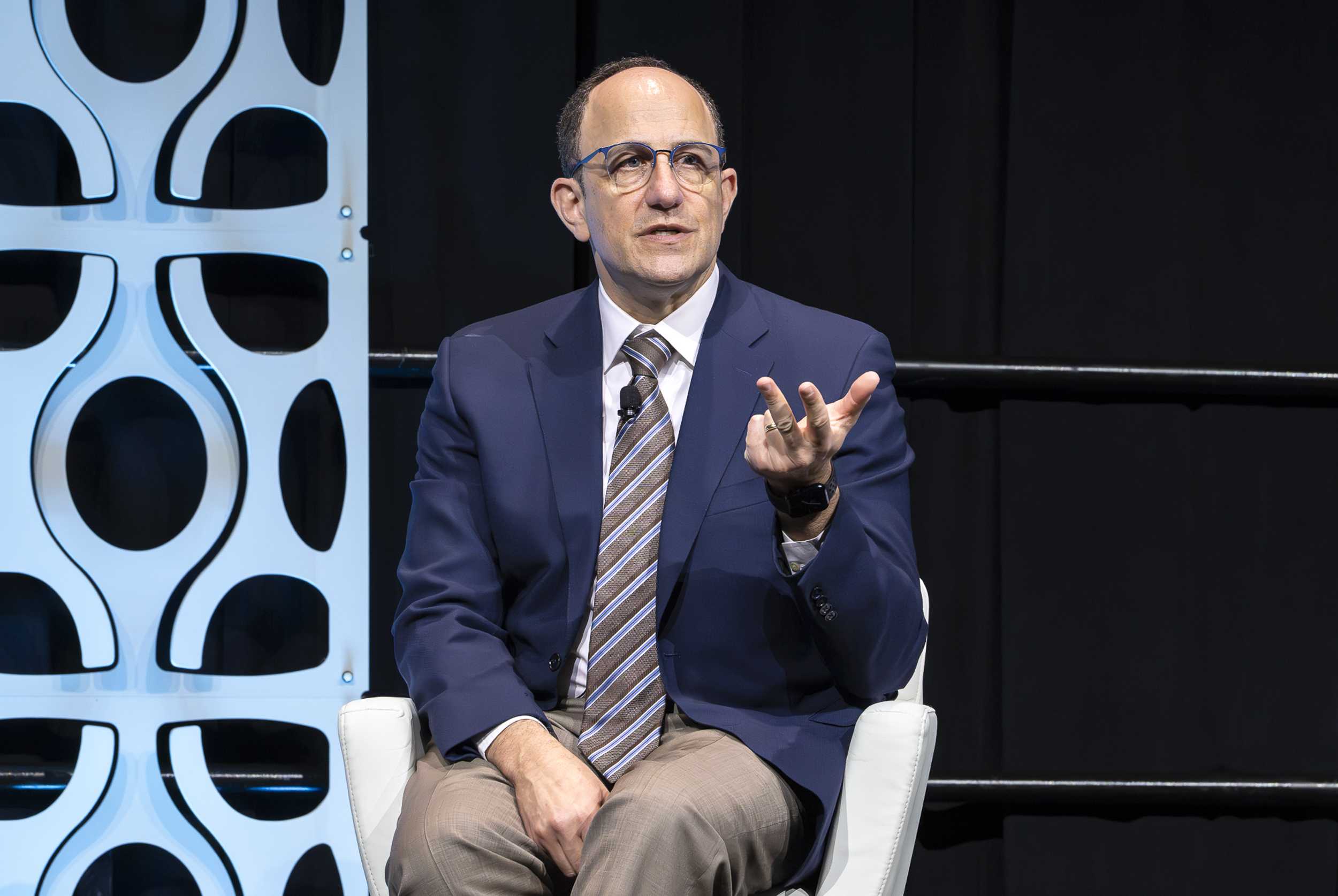
Some conferences need one experienced photographer. Others need two or more photographers, an on-site editor, or coordination with video. Multi-track agendas, simultaneous breakouts, busy sponsor floors, VIP receptions, award ceremonies, and step-and-repeat portraits all create coverage conflicts.
Ask whether the photographer can provide multi-photographer coverage when the schedule requires it. Ask whether they can help with lighting and stage setup guidance, coordinate around video crews, and provide on-site editing for rush delivery. You are not trying to buy every option. You are trying to learn whether the provider understands the actual scale of the assignment.
Make The Phone Call Before You Decide
Do not choose only by email. Once a photographer or company looks strong on portfolio, coverage, delivery, editing, and experience, make a personal phone call. In a real conversation, it usually becomes clear very quickly whether the photographer is the right fit for your conference, your guests, and your internal team.
Listen for the quality of their questions. Do they ask about the agenda, venue, VIPs, speakers, must-have shots, sponsor deliverables, image usage, delivery deadline, brand standards, room lighting, security restrictions, and the on-site contact? Do they explain their process clearly without making the event feel more complicated than it needs to be?
This call is also the right place to ask about equipment and software. Confirm camera bodies, lenses, lighting, backup gear, quiet shooting approach, memory card workflow, battery backup, file safety, editing tools, retouching process, export standards, and gallery delivery.
A Short Checklist For The Call
- Have you photographed conferences, association meetings, or corporate programs in Washington, DC?
- How would you cover our actual run of show, including keynote, panels, breakouts, sponsors, networking, and VIP moments?
- Do we need one photographer, multiple photographers, or on-site editing for this schedule?
- Can you work quietly during keynote, panel, awards, and headline-speaker sessions?
- What camera system do you use, and do you work with mirrorless bodies for quiet coverage?
- What backup camera bodies, lenses, lighting, batteries, cards, and file-safety workflow do you bring?
- What software do you use for culling, color correction, retouching, export, and delivery?
- When will the full gallery be delivered, and are next-day highlights or priority turnaround available?
- Will the final images be color corrected, high resolution, and suitable for press, web, social media, reports, and internal communications?
- How will the gallery be delivered, and can it fit our preferred platform or approval workflow?
When It Makes Sense To Move Forward
If a photographer or company meets the standards above, it makes sense to continue the conversation. You are looking for strong conference work, complete coverage planning, quiet room behavior, clear delivery options, professional editing, reliable software workflow, high-resolution files, event photojournalism, and the ability to scale when the schedule demands it.
The phone call is the final filter. If the photographer understands your conference, answers equipment and software questions clearly, explains the workflow, and feels like someone who can move through the room with confidence and respect, you have a serious candidate.
The right Event photographer protects more than the image gallery. They protect the room, the schedule, the speaker experience, and the post-event communications value of the conference. That is why choosing carefully matters.